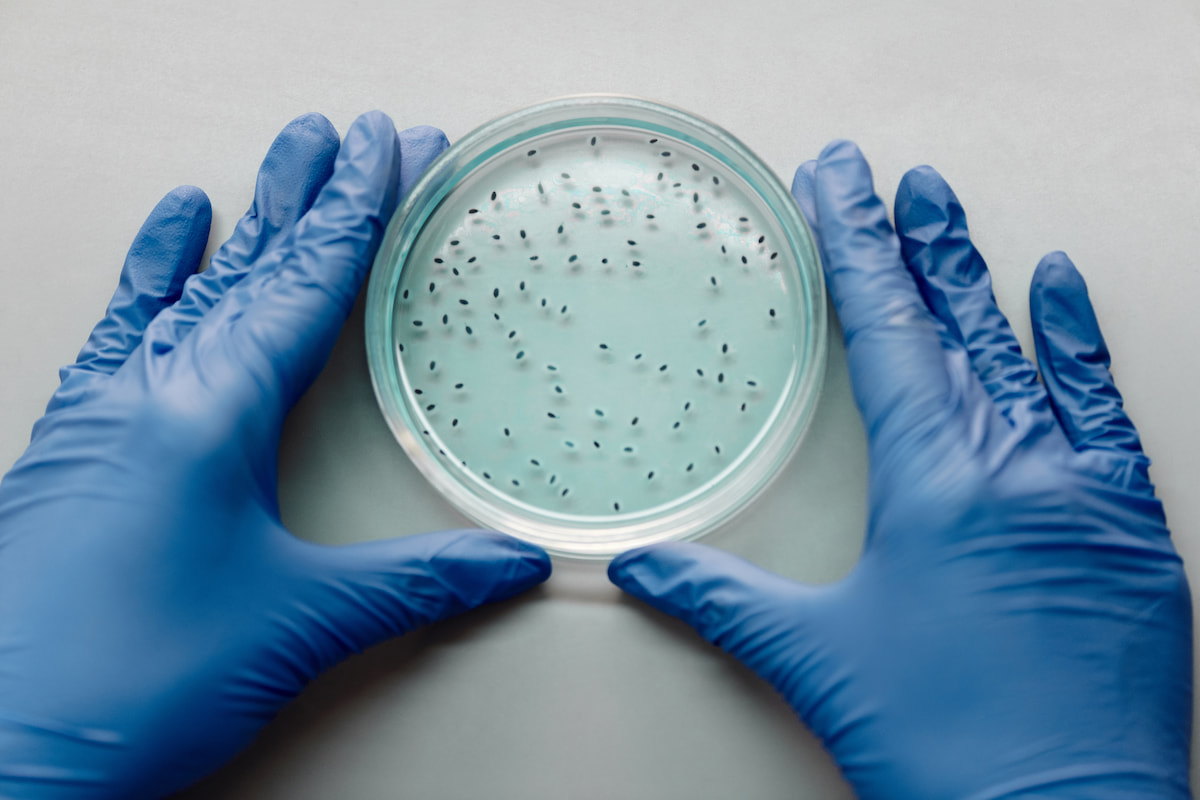
Researchers in a recent study have discovered that bacteria extracted from kimchi, a type of fermented food popular in Korean culture, can eliminate up to 87% of cancer-associated plastic nanoparticles. These results highlight new possibilities in addressing plastic pollution and its health effects on humans.
Plastic nanoparticles are concerning materials in modern times, as they can enter the body through food or air, raising significant health concerns. Previous studies have shown that these particles may be linked to an increased risk of certain types of cancer, making the search for effective solutions urgent.
Details of the Study
The study was conducted at a Korean university, where researchers isolated specific bacteria from kimchi and tested their ability to remove plastic nanoparticles from aqueous solutions. The results were impressive, showing that the bacteria had a high capacity to absorb these particles, indicating their potential use in developing new techniques for environmental cleanup.
This study is part of increasing efforts to understand how microorganisms can be used to address pollution. Researchers noted that these bacteria might be capable of converting plastic particles into less harmful materials, paving the way for new applications in environmental and public health fields.
Background & Context
Concerns about plastic pollution have risen in recent years, with reports indicating that millions of tons of plastic enter oceans and rivers each year. This pollution not only affects marine life but also extends its impact to human health. Therefore, the search for innovative solutions, such as using bacteria, is a significant step toward addressing this crisis.
Kimchi, considered a symbol of Korean culture, contains a variety of beneficial bacteria known as probiotics. These microorganisms play an important role in improving digestive health and boosting immunity, making their use in addressing plastic pollution an intriguing idea.
Impact & Consequences
If the effectiveness of these bacteria in large-scale applications is confirmed, it could lead to a significant shift in how we handle plastic pollution. This technology could help reduce the amount of plastic in the environment, positively impacting human health and wildlife.
Moreover, these findings could open the door to new research in utilizing microorganisms to tackle pollution, potentially leading to innovative solutions for other environmental issues.
Regional Significance
Arab countries also face significant challenges related to plastic pollution, with some nations among the highest consumers of plastic. Therefore, adopting new technologies like those discovered in this study could have a positive impact on the environment and public health in the region.
These innovations could contribute to enhancing the efforts of Arab nations toward achieving sustainable development and reducing the negative environmental impact of pollution.
In conclusion, the discovery of the ability of kimchi bacteria to combat cancer-linked plastic nanoparticles represents an important step toward finding innovative solutions to pollution problems. These results call for further research and development in this field, which could contribute to improving public health and protecting the environment.