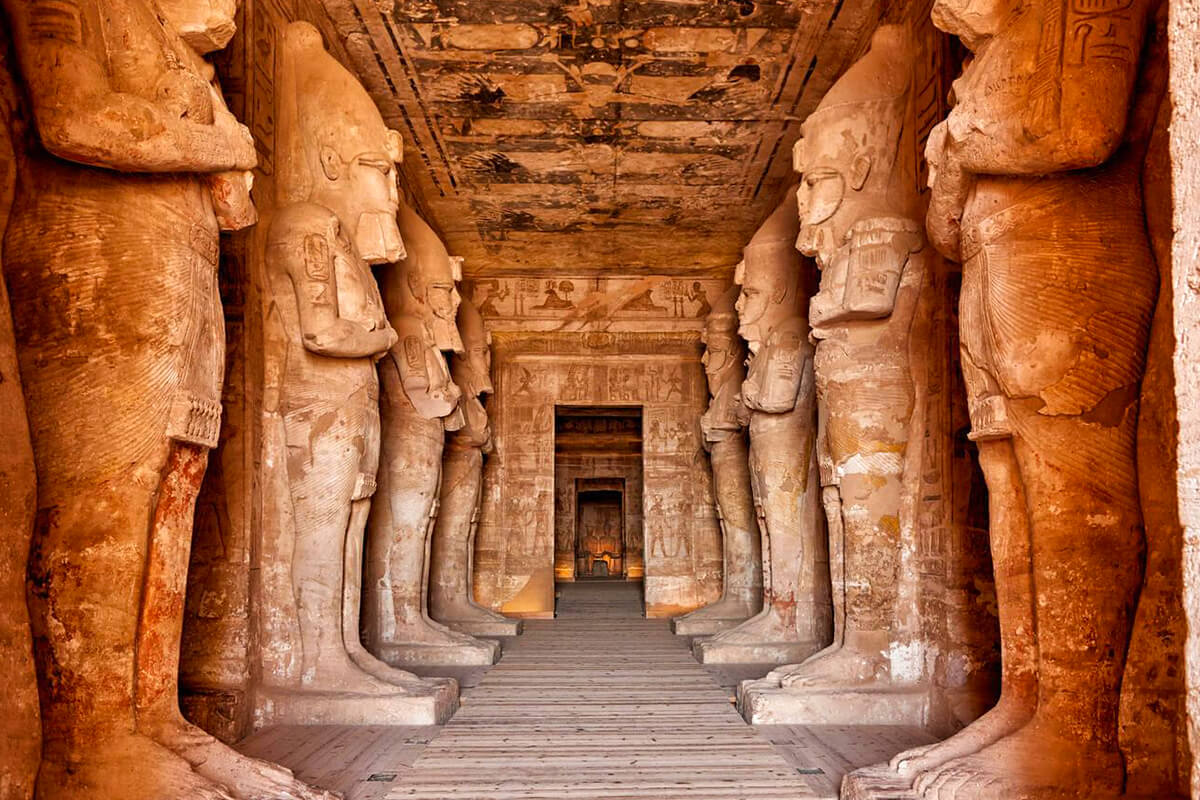
King Ahmed Fouad II expressed his deep feelings towards the monuments of Abu Simbel, writing in the archaeological site's guestbook: "Monuments that immortalize the great history of beloved Egypt." This message reflects the king's connection to his country's history and cultural heritage.
The Abu Simbel temples are among the most prominent tourist and archaeological sites in Egypt, symbolizing national pride. These temples date back to the reign of King Ramses II, who ordered their construction in the 13th century BC. They represent an engineering and architectural achievement, having been carved into the mountainside.
Details of the Visit
During his recent visit, King Ahmed Fouad II toured the Abu Simbel temples, showcasing the beauty of ancient Egyptian architecture. The visit was marked by detailed insights into the history of the temples and their importance in ancient Egyptian civilization. The king also showed particular interest in preserving these archaeological sites, emphasizing the need to enhance efforts to protect them from erosion and damage.
It is noteworthy that the Abu Simbel temples were saved from flooding in Lake Nasser during the construction of the High Dam, reflecting the significance of these monuments in the collective memory of the Egyptian people.
Background & Context
Historically, the Abu Simbel temples were part of a massive project to commemorate the achievements of King Ramses II, who is considered one of the greatest pharaohs. These temples also represent a meeting point between ancient and modern civilizations, attracting tourists from around the world. The message written by King Ahmed Fouad II reflects his commitment to preserving this cultural heritage.
In recent years, Egypt has witnessed increased efforts in cultural tourism, with the government striving to raise awareness about the importance of archaeological sites. King Ahmed Fouad II's visit to Abu Simbel is part of these efforts, contributing to highlighting Egypt's heritage.
Impact & Consequences
King Ahmed Fouad II's visit comes at a sensitive time as Egypt seeks to enhance its status as a global tourist destination. Highlighting archaeological sites such as Abu Simbel can help attract more tourists, benefiting the Egyptian economy. Moreover, the message written by the king reflects the importance of cultural heritage in strengthening national identity.
Furthermore, King Ahmed Fouad II's interest in archaeological sites demonstrates his commitment to preserving Egyptian history, which may encourage more initiatives to safeguard the country's cultural heritage.
Regional Significance
The Abu Simbel temples are a symbol of ancient Egyptian civilization and have a significant impact on Arab culture in general. Preserving these monuments reflects the commitment of Arab countries to safeguard their cultural heritage. Additionally, promoting cultural tourism in Egypt can serve as a model for other Arab nations.
In conclusion, King Ahmed Fouad II's visit to Abu Simbel underscores the importance of cultural heritage in shaping national identity. The message he wrote expresses his pride in his country's history and emphasizes the significance of preserving archaeological sites for future generations.