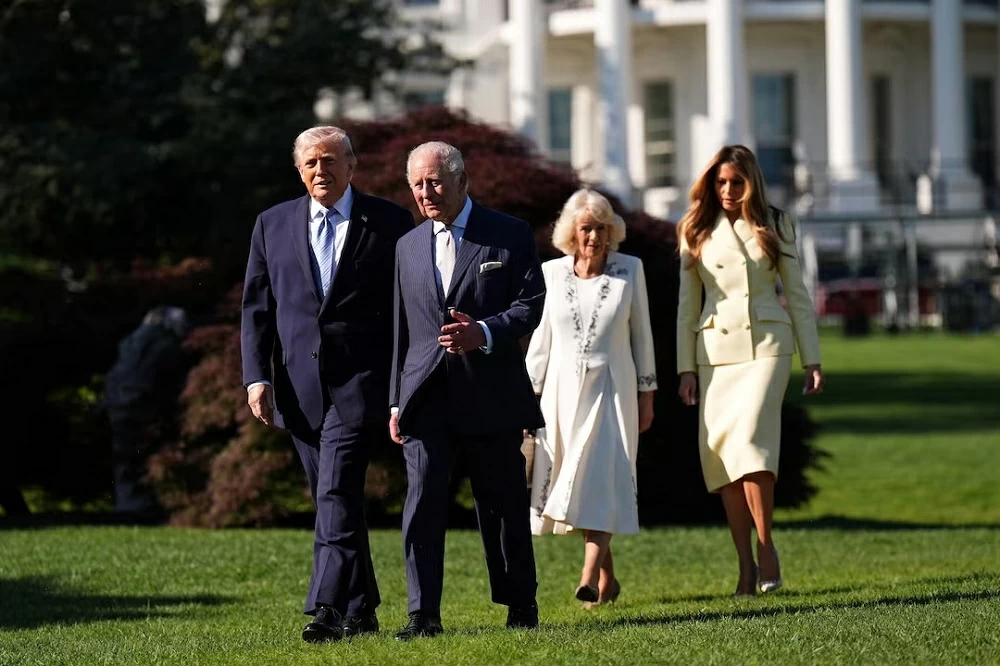
King Charles III is preparing to deliver a speech before the U.S. Congress, where he will emphasize the significance of unity between his country and the United States, as well as the defense of democratic values. This visit comes at a time when relations between the two countries are experiencing notable tensions due to the ongoing war in Iran.
The visit, which the king is undertaking alongside his wife, Queen Camilla, will last four days and aims to strengthen what is known as the 'special relationship' that has linked the two countries for nearly 250 years since America's independence. The king is expected to avoid delving into the political disagreements between U.S. President Donald Trump and British Prime Minister Keir Starmer, focusing instead on shared values such as promoting peace, democracy, and environmental protection.
Event Details
According to a source from the royal palace cited by Reuters, Charles will emphasize that the two nations have repeatedly succeeded in overcoming their historical disagreements, affirming that their ties remain strong despite differences. The king's speech is scheduled to begin at 3 PM Eastern Time, marking the second time a British monarch has addressed Congress, following his mother, Queen Elizabeth II's speech in 1991.
This event is considered a highlight of the state visit, followed by an official dinner on Tuesday evening. The speech, expected to last around 20 minutes, will focus on the depth of relations between the two countries and their role in enhancing global security and prosperity, while also delivering indirect cautionary messages regarding unilateral U.S. policies.
Background & Context
This visit occurs amid escalating tensions due to the U.S.-Israeli war on Iran, particularly following repeated criticisms from Trump towards Britain for not supporting military operations. Reports also suggest a potential review of U.S. support for London's stance on the Falkland Islands.
The king will also reference his previous service in the Royal Navy and the close defense and intelligence relationships between the two countries, despite tensions arising from Trump's criticisms of the British military's capabilities. Although the speech has been prepared in consultation with the British government, it largely reflects the king's personal style and vision.
Impact & Consequences
British-American relations are characterized by complexity, influenced by numerous political and economic factors. The royal address may contribute to strengthening cooperation between the two nations, especially in light of global challenges such as security and environmental issues.
Additionally, the messages the king will convey regarding the importance of international alliances like NATO come at a sensitive time, as European countries face increasing pressure to take on greater burdens in supporting Ukraine and addressing threats from Iran.
Regional Significance
The British-American relationship significantly impacts the Arab region, with both London and Washington playing key roles in regional issues. Current tensions between the two countries may influence the policies of Arab nations, particularly those closely linked to the West.
In conclusion, the royal visit reflects the importance of international relations in promoting stability and security, highlighting the necessity for cooperation among nations to confront global challenges.