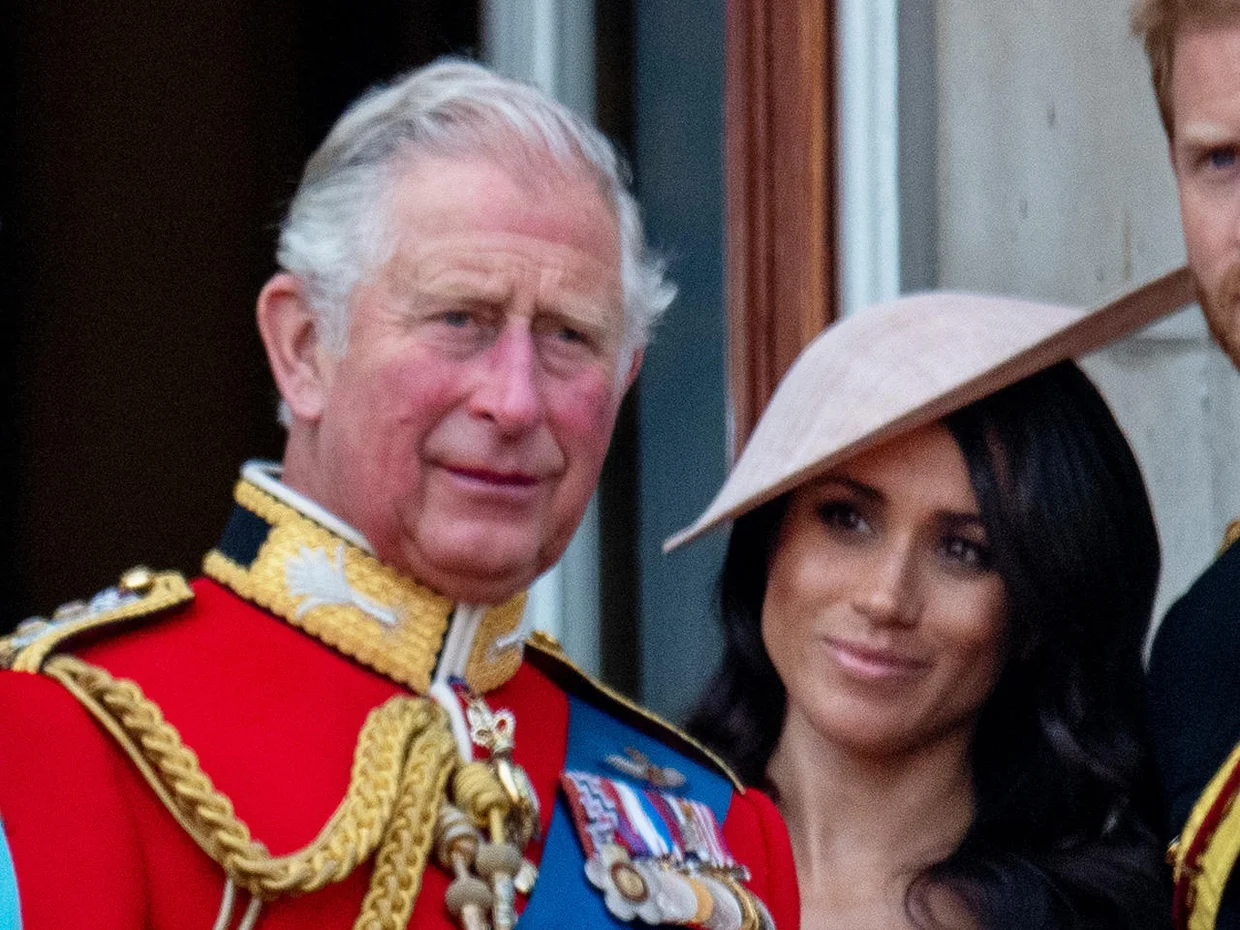
The historic visit of King Charles III and Queen Camilla to the United States marks the first of its kind since Queen Elizabeth II visited in 2007. This visit will take place from April 27 to 30 and includes key stops in Washington, D.C., New York, and Virginia, aiming to enhance the historical relations between the United Kingdom and the United States.
The visit will commence with a special meeting between the King and Queen and President Donald Trump and First Lady Melania Trump, who will host them for tea at the White House. Following this, President Trump and the First Lady will take a tour of the newly renovated White House garden, a tradition that dates back decades.
Details of the Visit
The itinerary includes a series of official events, with a reception at the British Embassy, an event not hosted by the British royal family in America since 1939. The second day of the visit will feature an official reception at the White House, which will include a traditional military parade, where the United States Marine Band will play the national anthems of both countries.
King Charles will deliver a speech before the U.S. Congress, marking the second such event in the history of the United Kingdom, following Queen Elizabeth II's address in 1991. The King and President Trump are also expected to exchange gifts, reflecting the depth of their bilateral relations.
Background & Context
This visit comes at a sensitive time as the United States approaches the 250th anniversary of its independence from Britain. The relationship between the two countries is considered one of the strongest bilateral relationships in the world and has undergone many changes over the decades. The visit underscores the importance of cooperation between these historical allies across multiple domains, including security, economy, and culture.
The timing of this visit is particularly significant as it seeks to reinforce the longstanding ties amidst current global challenges. The discussions between the leaders are expected to clarify shared positions and enhance collaboration on issues such as trade and investment.
Impact & Consequences
This visit is seen as an opportunity to strengthen relations between the United States and Britain in light of current global challenges, including climate change and international security. The meetings between the leaders will aid in clarifying shared stances and fostering cooperation on pressing issues. It is anticipated that this visit will positively influence the relations between the two nations, with President Trump expressing his support for the King and viewing him as a positive figure, potentially improving ties after a period of political tensions.
As the world watches, the outcomes of this visit could set the tone for future interactions between the two countries, paving the way for renewed dialogue and collaboration on various fronts.
Regional Significance
The significance of this visit extends beyond just the bilateral relationship; it symbolizes a commitment to maintaining strong ties in an ever-changing global landscape. The historical context of the U.S.-U.K. relationship serves as a foundation for addressing contemporary challenges together.
In conclusion, this visit by King Charles III and Queen Camilla is not just a ceremonial event; it represents a reaffirmation of the enduring partnership between the United States and the United Kingdom, with implications that may resonate in international relations for years to come.