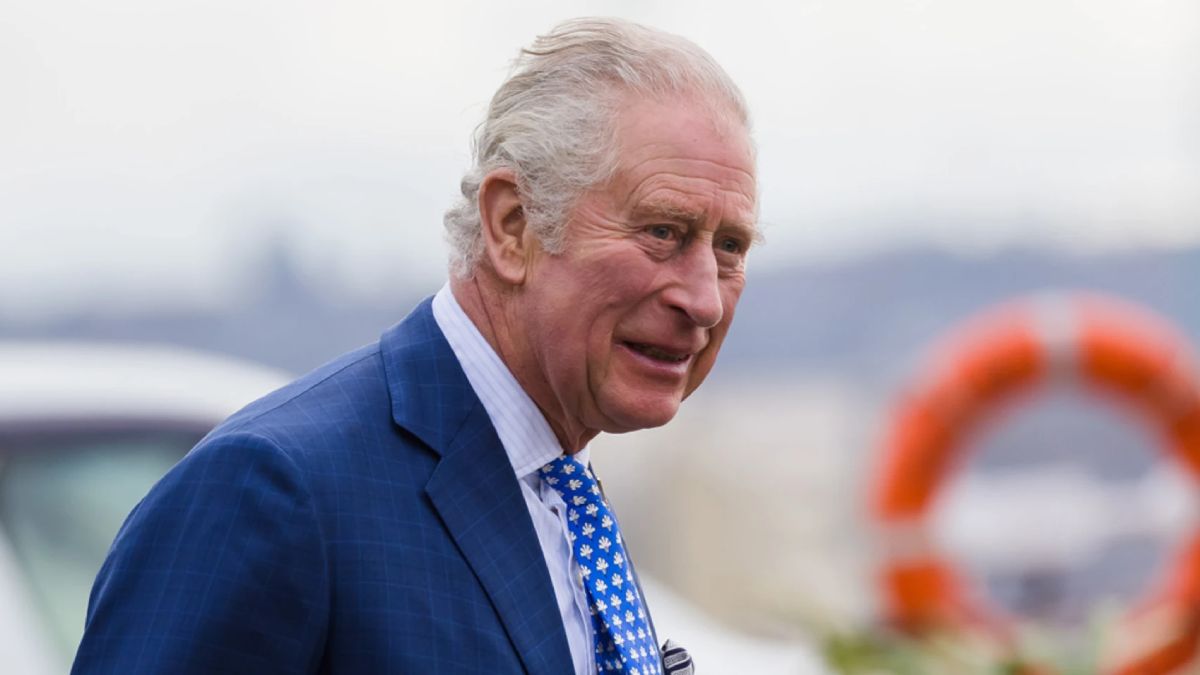
King Charles III is preparing to confront his toughest challenges since ascending the throne during his anticipated visit to the United States on Monday. This four-day visit comes at a time when relations between America and Britain are under unprecedented pressure, with diverging positions on critical issues, including the conflict in the Middle East.
All eyes are on this visit, which has garnered significant attention from both British and American media, as it represents a delicate diplomatic test amid rising disagreements over the war in Iran and shifts in American policy following former President Donald Trump's administration.
Details of the Event
In an article published by the Financial Times, writer Edward Luce described this visit as occurring at the heart of what he calls the 'age of madness,' where traditional diplomacy is no longer sufficient to manage transatlantic relations. King Charles is required to highlight the values of democracy that underpin the historical partnership between the two nations, without provoking Trump, who has shown clear hostility towards British Prime Minister Keir Starmer and NATO.
The anticipated speech by the King before Congress is considered a pivotal moment, being the first of its kind since Queen Elizabeth II's address in 1991. At that time, Elizabeth warned against the 'worship of power' and called for tolerance, while a repetition of these messages today could be interpreted as a direct message to Trump.
Context and Background
Luce's analysis goes beyond the speech to encompass a broader context, noting a striking paradox: Trump's image is declining within the United States, while Americans' perception of the British monarchy is improving. This dynamic provides Charles with a rare opportunity to appear as the 'voice of reason' in a turbulent landscape, but it could become a burden if mismanaged.
Kate Mansey, assistant editor of The Times, points out that London is betting on the historical symbolism to regain momentum for the 'special relationship' established 86 years ago on the legacy of Winston Churchill. The King and his wife, Queen Camilla, will stay at 'Blair House,' the historic building near the White House, reflecting a conscious attempt to evoke moments of past solidarity between the two countries.
Implications and Effects
The visit also includes a symbolic stop in New York to commemorate the 25th anniversary of the September 11, 2001 attacks, reminding us of a time when transatlantic relations were more cohesive. The King's speech, which has been refined through extensive consultations between Buckingham Palace and the British government, aims to strike a balance between calling for unity and avoiding political sensitivities with Trump.
Tom Sykes, a reporter for The Daily Beast, described the visit as a 'high-stakes diplomatic adventure,' noting polls that show a divide within Britain regarding the visit's usefulness. The timing of the visit complicates matters further, given the decline in the King's popularity and the ongoing repercussions of his brother Andrew's scandal.
Impact on the Arab Region
The visit of King Charles comes at a sensitive time, as tensions in the Middle East are escalating, particularly concerning the war in Iran. Any rapprochement with Trump could be interpreted domestically as a political misstep, especially with increasing criticism of the American president in British circles.
Ultimately, the coverage of this anticipated visit by King Charles III reveals aspects that transcend its celebratory nature, serving as a complex test of delicate balances between history and politics, symbolism and reality, quiet diplomacy and loud pressures.