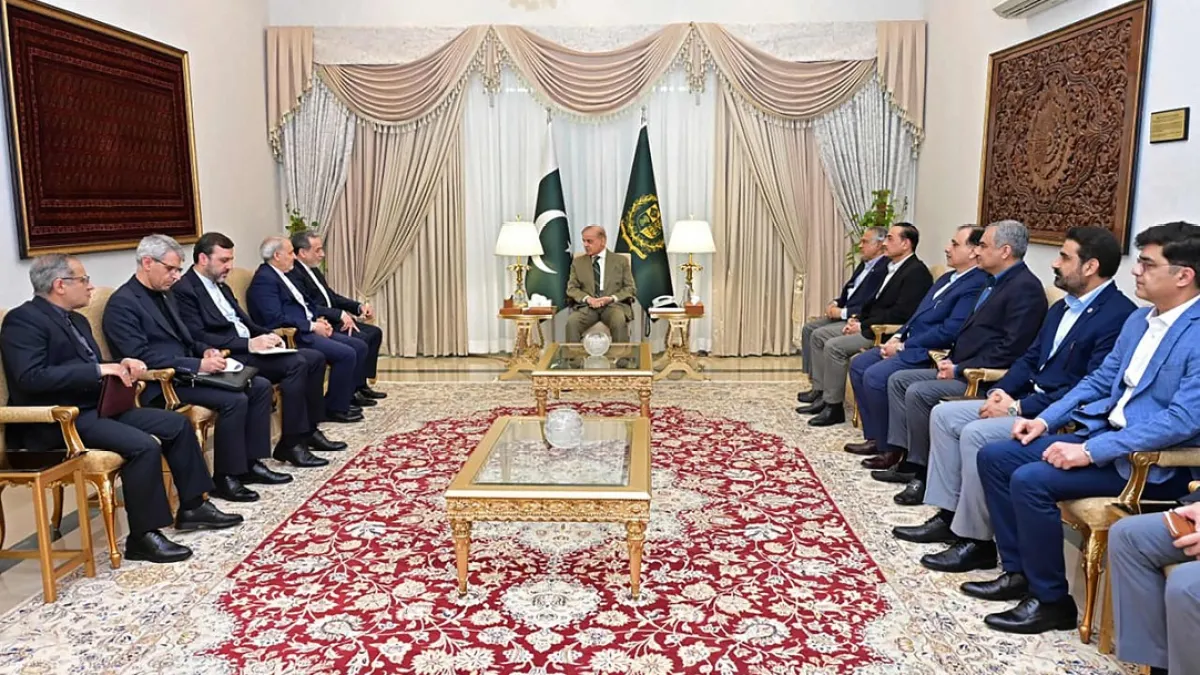
Reports from American media highlight that the failure of the second round of talks between Washington and Tehran, along with President Donald Trump's decision to cancel a U.S. delegation's visit to Islamabad, stem from a lack of consensus among various factions within Iran. This absence of agreement hampers the ability to present any clear negotiation proposals.
Al Jazeera's correspondent in Washington, Amr Hassan, noted that both the Wall Street Journal and the New York Times discussed what they described as sharp divisions within the Iranian decision-making structure. The two newspapers argued that the lack of agreement among political factions in Tehran obstructs the possibility of offering effective negotiation proposals.
Details of the Event
The New York Times conveyed signals of shifts within the centers of power in Iran, where new security and economic institutions are emerging. It also pointed out the absence of the Supreme Leader's role in managing the Iranian file during the current period, which has increased the political ambiguity in the country.
On the American side, Al Jazeera's correspondent reported supportive stances for Trump's decision, with Senator Lindsey Graham considering the cancellation of the visit a wise move. He called for continued economic pressure and enhanced maritime sanctions, while keeping the option of military escalation on the table if necessary to ensure a change in Iran's behavior.
Context and Background
These developments come at a time when President Trump is experiencing a noticeable decline in popularity, with polls indicating that the disapproval rate has reached approximately 57.7%, the lowest level since the beginning of his term. This decline may add a domestic political dimension to his foreign decisions, especially with upcoming electoral deadlines.
Earlier, Trump announced the cancellation of a high-level U.S. delegation visit that was supposed to include Steve Witkoff and Jared Kushner to Islamabad, as part of efforts to meet with the Iranian side. Trump mentioned on his platform, Truth Social, that the cancellation decision was due to the lack of clear leadership within Iran, referring to internal conflicts and confusion over who holds the negotiation authority.
Consequences and Impact
The chances of any agreement between Washington and Tehran appear to be significantly diminishing in light of the absence of trust and differing objectives. Carnegie Center expert Aaron David Miller believes that the next phase may be limited to what he described as "negotiations about negotiations," without achieving substantial progress.
These developments indicate a rise in tensions between the two parties, which could exacerbate the situation in the region. Additionally, the continuation of American pressure on Iran may contribute to increasing internal polarization in Tehran.
Impact on the Arab Region
These events directly affect security and stability in the Arab region, reflecting a state of uncertainty in international relations. The ongoing tension between Washington and Tehran could lead to negative repercussions for neighboring countries, particularly those suffering from internal conflicts.
In conclusion, the situations in Iran and the United States remain a focal point for observers, as internal and external factors intertwine to shape the future of relations between the two parties.