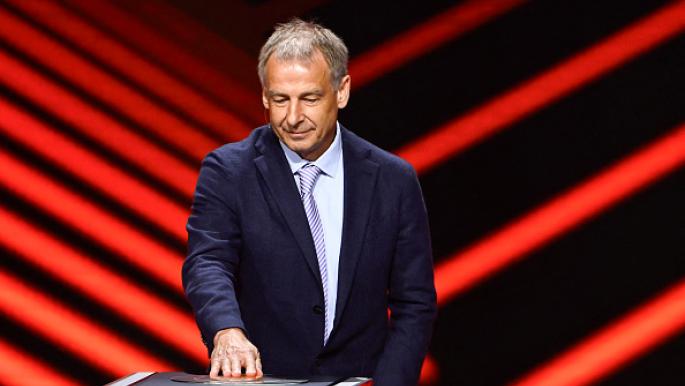
German coach Jürgen Klinsmann has ignited a debate in European football circles following his remarks criticizing the state of youth talent development in Italian football. Klinsmann emphasized that Italy faces significant challenges in harnessing young talent, which negatively impacts the country's footballing standards.
His comments came in the context of discussing a young talent like Yamal, where he noted that this player might find himself playing in lower divisions rather than excelling in the spotlight. These statements have elicited mixed reactions from coaches and analysts in the sports arena, with some considering his words to hold some truth given the declining performance of Italian teams in European competitions.
Details of the Event
Jürgen Klinsmann is regarded as one of the most prominent coaches in football history, having led numerous national teams and major clubs. His criticisms of Italy come at a sensitive time, as the Italian national team has been struggling with performance issues, particularly after failing to qualify for the 2022 World Cup. Klinsmann, who possesses extensive experience, believes that Italy needs to reassess its strategies for developing young players.
In recent years, Italy has witnessed a noticeable decline in the number of young players being promoted to first teams. This decline coincides with an increase in the number of foreign players in the Italian league, making it challenging for local talents to get the opportunity to showcase their abilities.
Background & Context
Historically, Italy has been considered one of the leading countries in football development, having produced many stars who left their mark on the game. However, recent years have seen a shift in this trend, with a greater focus on foreign players over local ones. This situation has contributed to a decline in the performance of Italian teams in European tournaments.
Several factors have contributed to this decline, including weak sports academies and insufficient investment in talent development. At the same time, Italy is competing with other countries like England and Spain, which have invested heavily in developing young players, allowing them to excel in this area.
Impact & Consequences
The impact of Klinsmann's statements could be far-reaching, potentially prompting Italian clubs to reconsider their strategies. If the current situation persists, Italy may face greater difficulties in competing on the international stage. This could also affect the reputation of the Italian league, which was once considered among the best in the world.
On the other hand, these criticisms might motivate officials in Italy to take serious steps to improve the situation. Such measures could include increasing investment in academies and providing opportunities for local players in first teams.
Regional Significance
Football in the Arab world is an essential part of sports culture, with millions of fans following local and international matches. Klinsmann's remarks may inspire coaches in Arab countries to reassess their strategies for talent development. Additionally, Arab nations could benefit from Italian experiences in how to invest in academies and develop young players.
Ultimately, developing young talent is the key to any country's success in football. If Italy can address these issues, it may return to being one of the major powers in the football world.