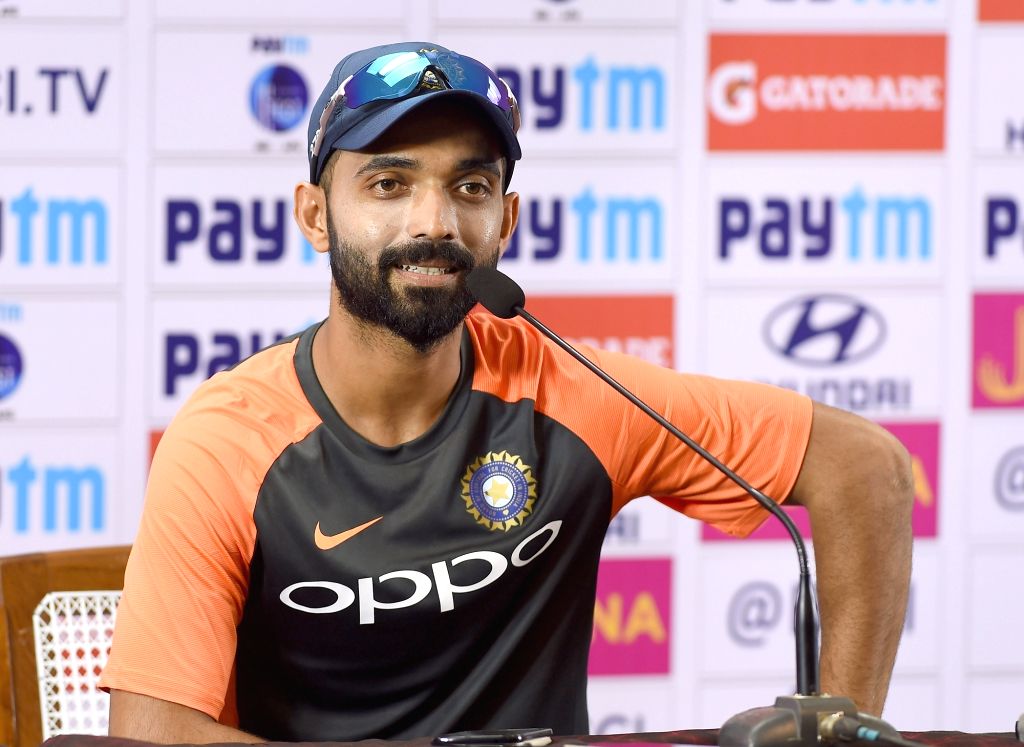
Kolkata team captain, Ajinkya Rahane, responded to the criticisms he has faced recently, indicating that some individuals feel jealous of his successes. This was stated during a press conference after the team's latest match in the league, where Rahane emphasized that he is focused on his performance and helping his team achieve victories.
Rahane spoke about the challenges he has faced throughout his sports career, noting that there have always been critics, but this will not affect his determination. He explained that he always strives to give his best in every match and considers criticism to be part of the game.
Details of the Event
In the press conference, Rahane stated: "I know there are those who criticize me, but I believe they are jealous of my success." These remarks came after an outstanding performance in the last match, where he significantly contributed to his team's victory. He also highlighted the importance of teamwork in achieving positive results, affirming that every player in the team plays a crucial role.
He also touched upon his relationship with the coach, confirming that there is continuous communication between them and that the coach supports him at every step. He added that he looks forward to achieving more accomplishments with the team in the upcoming period.
Background & Context
Ajinkya Rahane is one of the prominent cricket players in India, having achieved numerous accomplishments throughout his career. He began his professional journey in 2013, and since then has become a key player for the Indian national team. He has played an important role in several international tournaments, making him a focal point for fans and critics alike.
Historically, cricket in India has seen many criticisms directed at players, especially regarding performance in major tournaments. However, many players have managed to overcome these criticisms and achieve success, highlighting the importance of mental strength in this sport.
Impact & Consequences
Rahane's statements may influence how fans and the media perceive players' performances in the future. Criticism can serve as motivation for some players to improve their performance, while it may lead to psychological pressure on others. It is essential for players to understand how to cope with this pressure, especially in a sport like cricket that demands high performance under stress.
Additionally, these remarks may open a discussion on how teams handle criticism and how it can affect team morale. Such discussions could lead to the development of new strategies to support players in facing psychological challenges.
Regional Significance
Although cricket is not the most popular sport in the Arab world, there is a growing interest in the sport in some countries like the United Arab Emirates. The UAE hosts several international tournaments, reflecting the significance of cricket as a global sport.
Rahane's experience can serve as an inspiration for Arab players, emphasizing the importance of overcoming criticism and focusing on goals. The successes of Arab athletes in various sports can also enhance the spirit of competition and drive them to achieve more accomplishments.
In conclusion, cricket remains a focal point of interest for many, and players' statements like Rahane's illustrate how criticism can impact performance. It is crucial for players to continue focusing on their goals and overcoming the challenges they face.