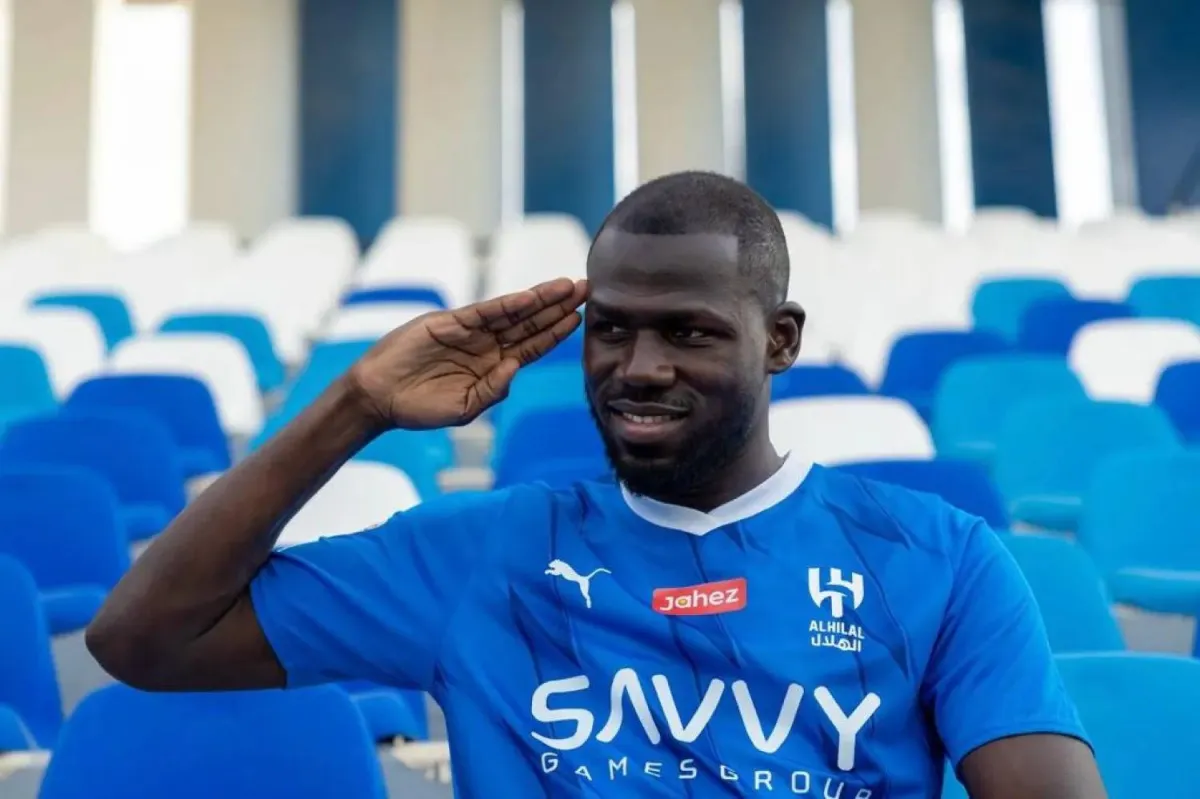
Senegalese star Kalidou Koulibaly, defender for Al Hilal, has made a series of shocking statements, revealing startling details regarding the decision to award Morocco the Africa Cup of Nations title at the expense of Senegal, alongside the behind-the-scenes of Karim Benzema's transfer to Al Hilal. In statements reported by the global website "Goal", Koulibaly explained that the first person to inform him of the controversial decision was his teammate at Al Hilal and Moroccan goalkeeper Yassine Bounou, saying: "Bounou was the first to tell me about it after he received a call, then he joked with me saying: (We are the champions now, not you)... After that, I saw the decision from the African Football Confederation."
Koulibaly added that he initially could not believe what had happened, pointing to the shock he felt before deciding to quickly focus on his commitments with his team: "I felt a great shock, but we had a match the next day, so I tried to focus on the team." Despite the sensitivity of the situation, Koulibaly emphasized that his relationship with Bounou was not affected, affirming the strong bonds within the Al Hilal dressing room.
Details of the Event
On another note, Koulibaly revealed intriguing details about the behind-the-scenes events leading up to Benzema's transfer to Al Hilal during the winter transfer window, a deal that sparked widespread controversy following his departure from Al Ittihad. Koulibaly explained: "Three days before Benzema's signing, I contacted him directly and asked about his situation, and he told me that he was in advanced negotiations and that things were going positively." He continued: "We stayed in constant contact, especially with the increasing talk within the team about the possibility of his joining, until the day of the Al Ahly match when the official announcement of the deal was made." He noted that Al Hilal players sent a picture from inside the stadium to Benzema to confirm his presence, which heightened the team's enthusiasm before his arrival.
Regarding his life in the Kingdom, Koulibaly expressed great comfort, affirming his adaptation to the atmosphere: "I feel very comfortable, and I have naturally adapted to Saudi society." He also praised the development of the Saudi league, considering it to be steadily progressing towards the ranks of major global leagues, thanks to organizational improvements and the rising level of players.
Background & Context
Koulibaly's statements come at a sensitive time, as the Senegalese national team faces significant challenges following the withdrawal of the title, raising questions about the future of African football. Additionally, Benzema's transfer to Al Hilal reflects new trends in the Saudi league, which seeks to attract global stars to enhance its position on the sports scene.
Historically, African football has witnessed numerous tensions surrounding decisions made by the African Football Confederation, affecting relationships between countries and players. Moreover, significant transfers like Benzema's reflect the rapid changes in the football world, as Saudi clubs aim to expand their fan base by attracting prominent names.
Impact & Consequences
Koulibaly's statements underscore the importance of personal relationships among players and how they can influence performance on the field. Furthermore, the withdrawal of Senegal's title may impact the players' morale and increase pressure on them in upcoming competitions. On the other hand, Benzema's transfer to Al Hilal reflects Saudi clubs' desire to compete on a global level, which may lead to increased investments in the Saudi league.
The challenges facing African clubs are growing in light of increasing competition from European and Saudi leagues, necessitating a reevaluation of strategies for player development and infrastructure.
Regional Significance
Koulibaly's statements serve as a window into the ongoing changes in Arab football, as clubs strive to develop themselves by attracting stars. Additionally, developments in the Saudi league may influence other Arab leagues, prompting a swift response from other clubs to maintain their competitiveness.
In conclusion, Koulibaly's statements reflect the reality of football in the region, where personal relationships intertwine with major events, creating a dynamic environment that requires players and clubs to quickly adapt to changes.