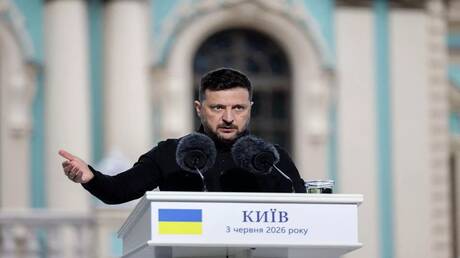
Kremlin spokesperson Dmitry Peskov has refused to disclose the contents of President Vladimir Putin's response to an open letter from his Ukrainian counterpart Volodymyr Zelensky, stating only that Moscow is studying the message without revealing any details regarding the expected reply. The official maintained strict secrecy regarding the diplomatic communication, fueling speculation about Russia's strategic intentions amid ongoing hostilities.
In press statements, Peskov affirmed that the Kremlin currently sees no common ground for negotiations with Kyiv, indicating that the prevailing political and military conditions do not permit the launch of any substantive peace initiatives. These remarks come as military operations continue along various fronts with escalating intensity, despite mounting international calls for de-escalation and humanitarian pauses.
Details of the Letter and Moscow's Position
The open letter sent by Zelensky to Putin included urgent calls for an immediate ceasefire and direct peace negotiations under international sponsorship. However, the Kremlin has expressed extreme reservation regarding any positive engagement with these overtures, insisting that any dialogue must take into account the new realities on the ground, particularly concerning territories currently under Russian control.
Peskov emphasized that the Russian presidency carefully examines all incoming communications from the Ukrainian side, but ruled out the possibility of officially announcing a response at the present time. This approach reflects the Kremlin's broader policy of maintaining strict secrecy regarding its diplomatic and military strategies during the ongoing conflict.
This stance emerges against the backdrop of continued Russian military operations in the Donetsk and Luhansk regions, where Russian forces are actively working to consolidate control over territories formally annexed by Moscow in September 2022. These areas represent a red line for Russian leadership in any future negotiations, significantly complicating prospects for diplomatic compromise.
Diplomatic sources indicate that several Arab and European capitals had hoped Zelensky's open letter would pave the way for a humanitarian truce during the winter months, particularly as Europe faces a worsening energy crisis. However, the Kremlin's refusal to disclose its response suggests Moscow is not currently serious about pursuing meaningful negotiations or considering peace proposals.
Historical Context and Failed Peace Attempts
The last direct negotiations between the two sides occurred in March 2022, when Russian and Ukrainian delegations met in Istanbul, Turkey. These talks ultimately failed to produce a comprehensive peace agreement due to deep disagreements regarding the status of Crimea and Ukraine's eastern regions, issues that remain fundamentally unresolved to this day.
Since those failed talks, both sides have exchanged accusations of obstructing peace efforts. Kyiv continues to demand the complete withdrawal of Russian forces from all Ukrainian territories, including Crimea, while Moscow insists on international recognition of the fait accompli in the four regions it officially annexed in September 2022.
This diplomatic deadlock has devolved into a prolonged war of attrition, significantly impacting the global economy and threatening energy and food security worldwide. Developing nations that depend on wheat and fertilizer imports from both Russia and Ukraine have been particularly affected by supply disruptions, inflation, and price volatility.
International and Regional Implications
The Kremlin's silence regarding Zelensky's letter reflects the continued hardline positions adopted by both parties, indicating that the conflict will likely persist for additional months at minimum. The protracted warfare continues to inflict severe losses on European and global economies through elevated energy and food prices, undermining post-pandemic recovery efforts.
Several European nations have expressed growing concern about losing hope for a diplomatic solution before the end of the current year. Meanwhile, the United States and its allies are intensifying military support for Ukraine, seeking to help Kyiv achieve territorial gains on the ground before any potential negotiations begin.
Conversely, Russia is working to deepen its relationships with Global South countries, exploiting growing discontent with Western economic policies and sanctions. This strategic pivot complicates international efforts to build consensus around mechanisms for pressuring Moscow to halt its military operations and engage in constructive dialogue.
Impact on the Arab Region
Developments in the Russian-Ukrainian conflict carry particular significance for Arab states, which rank among the world's largest wheat importers. Most Arab countries source the majority of their grain supplies from both warring nations, making regional food price stability directly dependent on the conflict's trajectory and potential resolution.
While Arab oil and gas exporting states have benefited relatively from rising global energy prices, they simultaneously face increasing diplomatic pressure to choose between Western and Russian spheres of influence. Moscow is actively seeking to expand its political and economic footprint in the Middle East and North Africa, creating complex strategic dilemmas for regional governments.
Most Arab nations continue to pursue policies of positive neutrality, striving to maintain balanced relations with both conflict parties while ensuring continued flows of food imports and investments. These countries are watching developments with considerable concern, particularly regarding Moscow's stance on any peace initiatives that might be proposed by international organizations in the coming months.