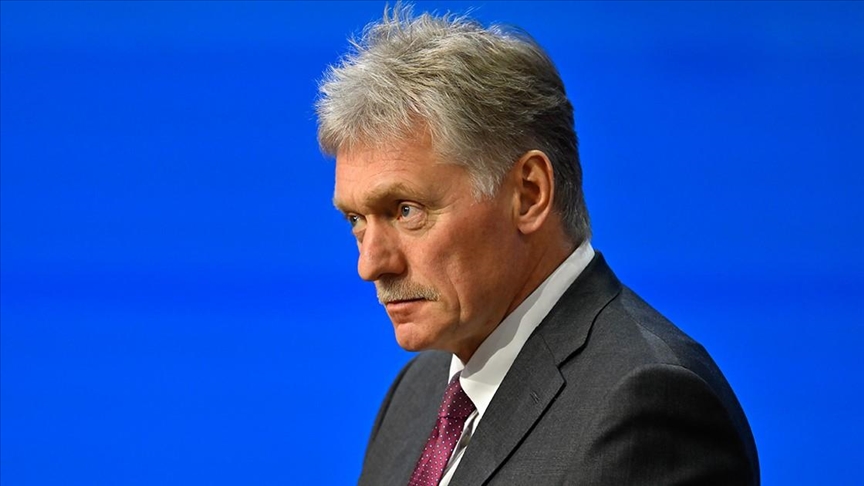
Kremlin spokesperson Dmitry Peskov has warned that the ongoing conflict in the Middle East could lead to severe repercussions for the global economy. These statements come at a time when the world is witnessing increasing tensions in the region, raising concerns about global economic stability.
In remarks to reporters, Peskov stressed that the current situation requires greater international attention, noting that tensions in the Middle East could directly impact energy and commodity markets. He also pointed out that the peace council established by former US President Donald Trump has become less significant under the current circumstances.
Details of the Situation
Concerns are mounting that the ongoing conflicts in the Middle East, including disputes in Syria and Palestine, could exacerbate economic crises worldwide. Recent reports indicate that oil prices could be significantly affected due to these tensions, potentially leading to increased energy costs globally.
This warning comes at a sensitive time, as many countries are striving to recover from the impacts of the COVID-19 pandemic. Peskov indicated that any escalation in the conflict could worsen the economic crises faced by many nations, particularly those heavily reliant on oil exports.
Context and Background
Historically, the Middle East has been a center of numerous conflicts that have significantly impacted the global economy. For decades, the region has experienced wars and civil strife, leading to political and economic instability. These conflicts have contributed to fluctuations in oil prices, which in turn affect the global economy.
Over the years, many major powers, including the United States and Russia, have attempted to intervene in these conflicts to achieve their strategic interests. However, the efforts to achieve peace often encounter significant obstacles, complicating the situation further.
Consequences and Impact
Forecasts suggest that the continuation of the conflict in the Middle East could exacerbate economic crises in developing countries, which may face additional pressures due to rising commodity prices. Furthermore, any escalation in the conflict could lead to an influx of refugees, increasing the burdens on neighboring countries.
Moreover, the economic impacts could extend to developed nations, where disruptions in energy markets could lead to higher living costs and increased inflation. Therefore, the global economy may face significant challenges if the situation remains unchanged.
Impact on the Arab Region
For Arab countries, the ongoing conflict in the Middle East poses a direct threat to economic stability. Many Arab nations heavily depend on oil exports, and any fluctuations in prices could affect their public budgets. Additionally, the humanitarian crises resulting from the conflicts could worsen the social and economic conditions in these countries.
Under these circumstances, Arab nations must work to enhance regional cooperation and develop strategies to address potential crises. There should also be greater international efforts to achieve peace and stability in the region.