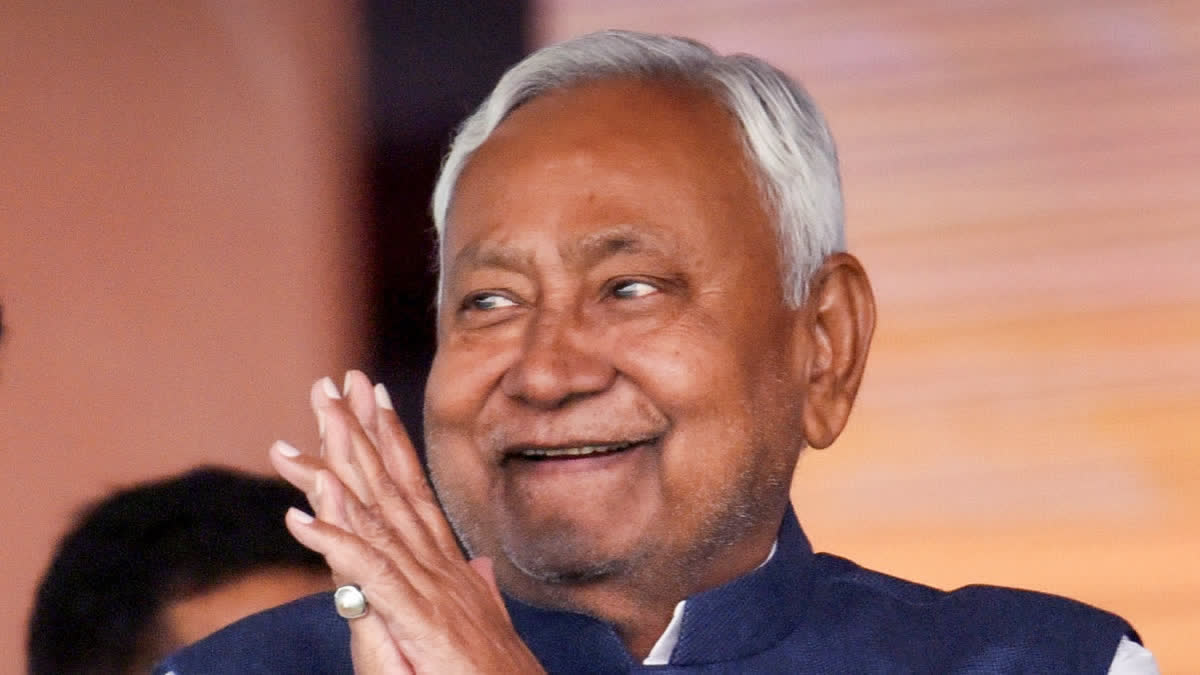
Nitish Kumar, the Chief Minister of Bihar, has announced his resignation from the state assembly, moving towards the Indian Senate (Rajya Sabha). This step comes at a sensitive time with the general elections in India approaching, as Kumar seeks to bolster his political position on the national stage.
Kumar, who has served as the Chief Minister of Bihar since 2015, is a prominent figure in Indian politics. He has led a government coalition comprising several parties, which has helped him maintain his authority in the state. His resignation from the state assembly indicates a new strategy to focus on national issues rather than local ones.
Details of the Event
Kumar's resignation from the Bihar assembly follows a period of political tensions in the state, where he faced challenges from opposition parties. In his statements, Kumar emphasized his aim to enhance Bihar's representation in the Indian parliament through this move. He also indicated that he would work to bring state issues to the national arena.
The transition to Rajya Sabha represents an opportunity for Kumar to strengthen his influence in Indian politics. He is expected to seek greater support from voters in Bihar, especially with the general elections scheduled for 2024. This move could significantly impact the formation of the next government in India.
Background & Context
Historically, Bihar has experienced numerous political transformations, serving as a center for various political and social movements. Nitish Kumar, belonging to the Janata Dal (United) party, is regarded as one of the leading leaders in the state. He has held the position of Chief Minister multiple times and has contributed to improving infrastructure and public services in Bihar.
The general elections in India are a significant event, involving hundreds of millions of voters. Political parties compete for parliamentary seats, making every political move impactful on the final outcomes. In recent years, India has witnessed substantial changes in politics, with economic and social issues becoming central to discussions.
Impact & Consequences
Kumar's resignation from the Bihar assembly may lead to changes in the political balance within the state. Opposition parties could benefit from this move, as his resignation may raise questions about the stability of the current government. At the same time, this step could enhance Kumar's position in parliament, granting him more power to influence national policies.
Economically, these changes could affect investments in Bihar. If Kumar succeeds in Rajya Sabha, he may attract more investments to the state, contributing to economic improvement. However, if his strategy fails, it could lead to a decline in confidence in his government.
Regional Significance
Although political events in India may seem distant from the Arab region, there are significant connections. India is one of the largest trading partners for Arab countries, exchanging numerous goods and services. Any changes in Indian politics could impact trade and economic relations between India and Arab nations.
Moreover, political stability in India affects the Arab communities there, as many Arabs live in India and work across various sectors. Therefore, any changes in the Indian government could influence their social and economic conditions.
In conclusion, Nitish Kumar's resignation from the Bihar assembly and his transition to Rajya Sabha reflect an important shift in Indian politics. This move may have wide-ranging implications for the political landscape in India and opens the door for further interaction between India and Arab countries.