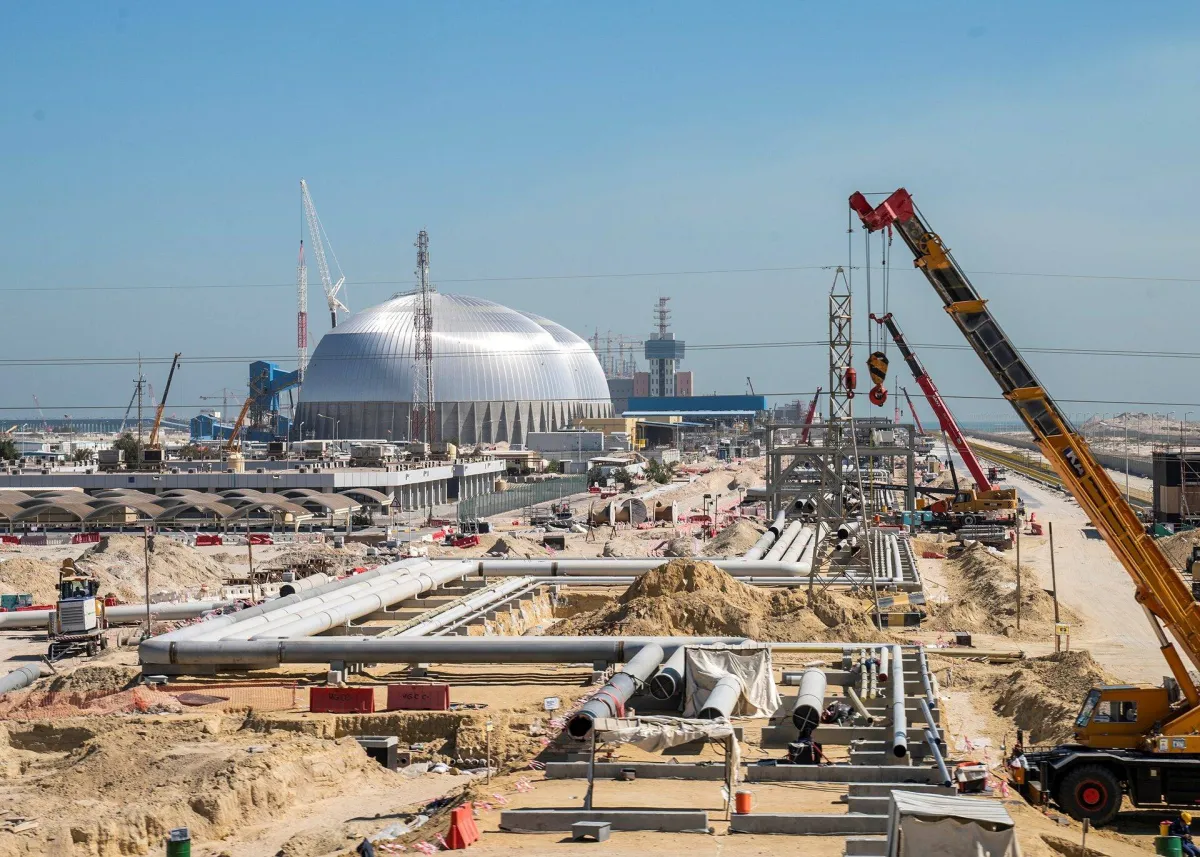
Sheikh Khaled Ahmad Al-Sabah, the Executive Director of Global Marketing at Kuwait Petroleum Corporation, stated that Kuwait could potentially recover around 70% of its oil production to normal levels within a timeframe of 6 to 8 weeks, following the reopening of the Strait of Hormuz, a vital artery for global oil supplies.
During his participation in the Middle East Oil and Gas Conference organized by S&P Global Energy, Al-Sabah noted that the remaining 30% of production might take an additional month to return to normal levels.
Event Details
Kuwait Petroleum Corporation also expects its refineries to return to normal production levels within two to three weeks. This announcement comes at a sensitive time, as oil and gas prices have seen a significant increase due to the ongoing war in Iran, which led to the closure of the Strait of Hormuz, through which approximately 20% of global oil and gas supplies pass.
Negotiations are currently underway between the United States and Iran to reach an agreement that would end the conflict, with analysts expecting progress in these negotiations next week. However, the escalating exchange of strikes between the two parties complicates the situation further.
Background & Context
Historically, the Strait of Hormuz is a crucial strategic point in the global oil market, linking the Arabian Gulf to the Indian Ocean. The region has experienced recurring tensions due to political and military conflicts, directly impacting global oil prices.
Last May, Russian oil and gas revenues fell by 20.7% month-on-month, reflecting the impact of the Russian-Ukrainian war on energy markets. Additionally, natural gas supplies from Russian company Gazprom to Europe have increased, highlighting the challenges faced by oil-producing countries under current conditions.
Impact & Consequences
Markets expect that the return of Kuwaiti production will influence the stability of oil prices, as any increase in supplies could alleviate price pressures. However, ongoing tensions in the region may hinder this recovery.
Furthermore, Kuwait's return to normal production levels could strengthen its position in the global oil market, potentially affecting the strategies of other oil-producing nations. At the same time, concerns about market stability remain, especially with rising tensions in the Middle East.
Regional Significance
Kuwait is one of the key countries in OPEC, and any changes in its oil production could impact other Arab nations. The restoration of production may enhance the stability of the Kuwaiti economy and contribute to improving the country's financial situation.
In conclusion, the situation in the region remains complex, with political and economic factors intertwining to affect global energy markets. Attention remains focused on the developments in negotiations between the United States and Iran and the potential impacts on oil markets.