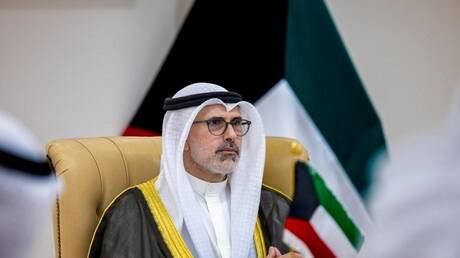
Kuwaiti Foreign Minister Jassem Al-Jaber Al-Ahmad Al-Sabah stated that Iranian attacks on Gulf countries represent a systematic pattern, highlighting the Arab League's inability to address current challenges. This statement was made during a press conference where he asserted that the security situation in the region requires urgent action from Arab nations.
Al-Ahmad Al-Sabah added that Iranian threats are noticeably increasing, necessitating stronger and more effective positions from Arab countries. He pointed out that the Arab League, which was established to protect Arab security, has failed to confront these challenges, raising questions about its actual role in maintaining regional stability.
Details of the Incident
The Kuwaiti Foreign Minister's remarks come at a sensitive time, as tensions in the Arabian Gulf have escalated due to Iranian activities, including attacks on oil facilities and commercial ships. These actions have raised concerns among neighboring countries, which view these behaviors as a direct threat to their security and stability.
Al-Ahmad Al-Sabah also indicated that Gulf countries need to enhance security cooperation among themselves to face these challenges. He confirmed that Kuwait is ready to play an active role in this context by supporting initiatives aimed at bolstering security and stability in the region.
Background & Context
The Arab League was founded in 1945 to promote cooperation among Arab countries in various fields, including security and politics. However, the League has faced numerous criticisms for its inability to address the increasing crises in the region, such as conflicts in Syria, Libya, and Yemen.
In recent years, tensions between Iran and Gulf countries have intensified, with Gulf nations accusing Iran of supporting armed groups in the region, complicating the security situation further. These tensions have affected relations among Arab countries, making it difficult to achieve consensus on how to deal with Iranian threats.
Impact & Consequences
The statements made by the Kuwaiti Foreign Minister indicate the necessity of reevaluating the Arab League's role in addressing security challenges. If the League continues to be unable to confront these threats, it may exacerbate crises in the region and increase divisions among Arab states.
Moreover, the lack of effective coordination among Arab countries could open the door to external interventions, further complicating the situation. Therefore, enhancing regional cooperation has become an urgent necessity to ensure security and stability in the Arabian Gulf.
Regional Significance
Al-Ahmad Al-Sabah's statements serve as a call for Arab countries to unify their efforts in facing common challenges. Amid increasing tensions, strengthening security cooperation among Gulf states could contribute to achieving regional stability.
Furthermore, an effective response to Iranian challenges could enhance the position of Arab countries on the international stage, contributing to improved relations with major powers that are closely monitoring the situation in the region.
In conclusion, the current situation in the Arabian Gulf requires urgent action from Arab nations to ensure security and stability in light of escalating challenges. Strengthening cooperation among Arab countries is the only way to confront threats and achieve peace in the region.