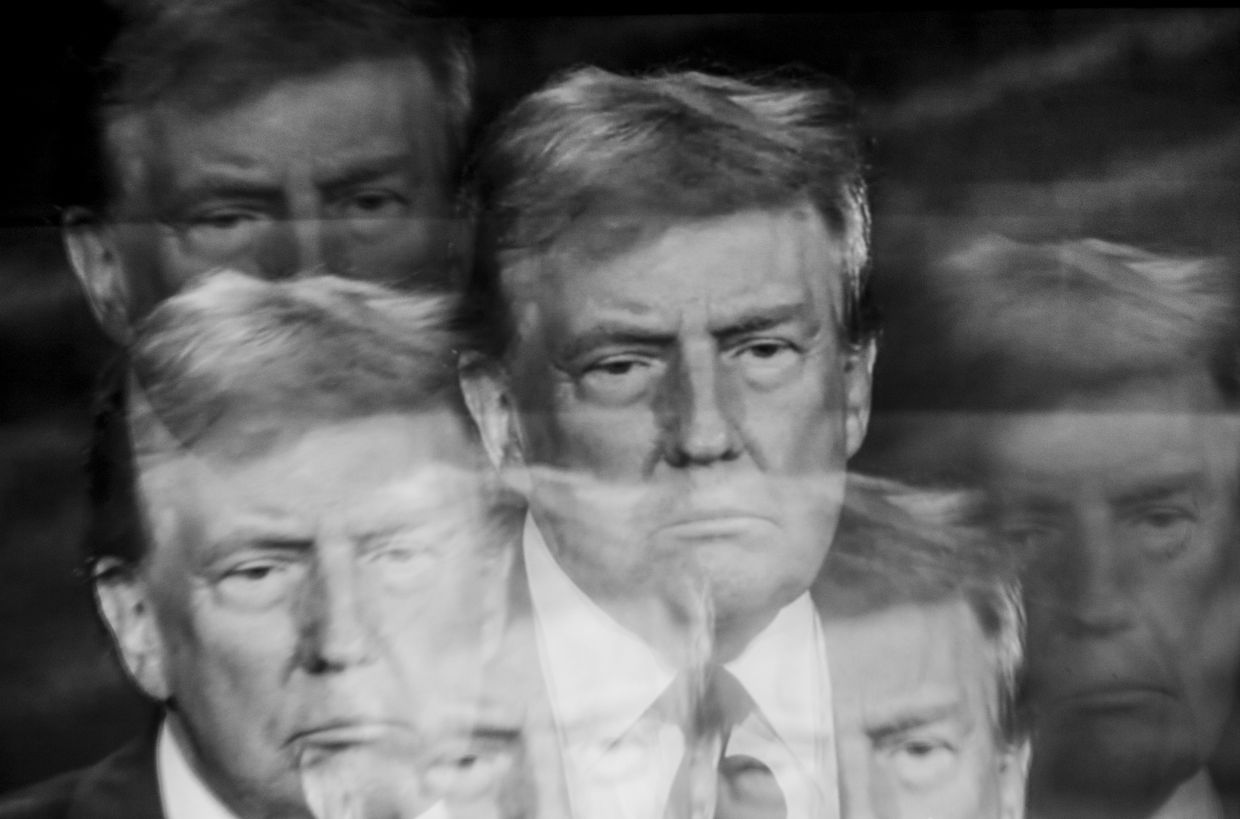
The US attack on Iran, ordered by former President Donald Trump, raises questions about the absence of effective military planning. This strike, deemed unprovoked, highlights the potential consequences of such decisions. At a time when relations between the United States and Iran were at their worst, this attack intensified tensions in the Middle East.
The attack, which occurred at a sensitive time, was not supported by a clear plan or a coherent strategy, leading to widespread criticism from observers and military experts. Many considered this attack to be random actions reflecting a lack of a clear vision for US foreign policy towards Iran.
Details of the Event
In January 2020, the United States executed an airstrike targeting Iranian Quds Force commander Qassem Soleimani, resulting in a significant escalation of tensions between the two countries. The attack followed a series of incidents in the region, including attacks on Saudi oil facilities, for which Iran was accused of being behind. Although the US administration justified the attack as a means to protect American forces in the region, many analysts deemed this justification insufficient.
The attack did not have an immediate effect on the ground but heightened tensions and provoked angry reactions from Iran, which threatened retaliation. Additionally, this attack raised concerns among US allies in the region, who feared the repercussions of escalating conflict.
Background & Context
Historically, US-Iranian relations have seen increasing tensions since the Islamic Revolution in 1979. Since then, the United States has taken several steps against Iran, including imposing economic and military sanctions. However, Trump's attack marked a turning point, demonstrating that the US administration was willing to transcend traditional boundaries in its policy towards Iran.
In the years leading up to the attack, there were multiple attempts to reach a nuclear agreement with Iran, but those efforts failed. Trump's withdrawal from the nuclear agreement in 2018 was a severe blow to relations between the two countries, leading to further escalation of tensions.
Impact & Consequences
The attack on Soleimani had profound implications for regional politics. It strengthened Iran's position in the region, as it bolstered its influence in Iraq, Syria, and Lebanon. The attack also increased polarization among regional powers, exacerbating conflicts in the area.
Moreover, this attack raised questions about the United States' ability to manage crises in the Middle East. Subsequent events demonstrated that the US was unprepared to face Iranian reactions, leading to further escalation of the conflict.
Regional Significance
For Arab countries, the escalation of tensions between the United States and Iran had direct effects. Fears of military conflict in the region increased, affecting the economic and political stability of many nations. Arab countries that relied on US support expressed concerns about the United States' ability to protect their interests amid rising tensions.
Ultimately, the US attack on Iran illustrates how hasty decisions can lead to dire consequences. The absence of effective planning can escalate crises, threatening security and stability in the Middle East.