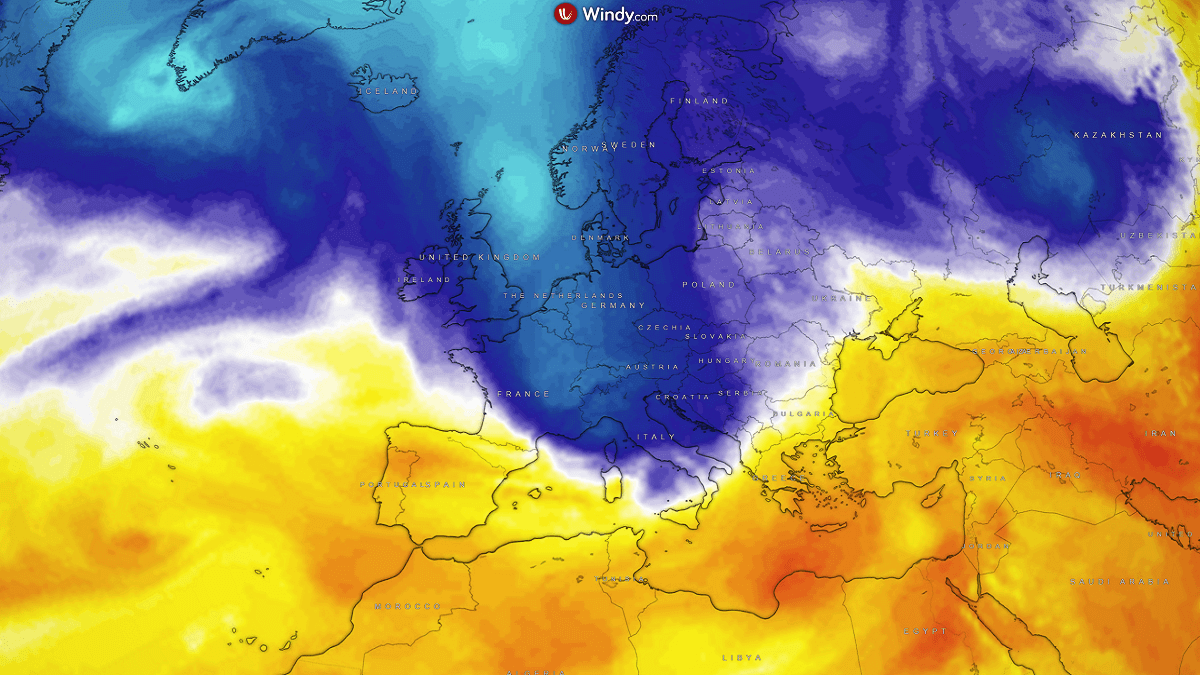
The Middle East is currently experiencing a late spring cold wave, with temperatures dropping significantly by up to 8 degrees Celsius below the normal average. This climatic phenomenon raises concerns about its potential impacts on agriculture and daily life.
Reports indicate that this cold wave has affected several countries in the region, including Saudi Arabia, Jordan, Palestine, and Lebanon. It has caused unusually low temperatures for this time of year, leading to rainfall in some areas.
Details of the Event
Meteorological experts predict that this cold wave will last for a few days, with temperatures expected to range between 5 to 10 degrees Celsius in some mountainous regions. Citizens have been warned about the risks of slips and falls due to the expected rain and snow in the highlands.
In Saudi Arabia, the General Authority for Meteorology and Environmental Protection issued warnings to citizens to take necessary precautions, especially in the northern and central regions of the country. They also advised avoiding going out during peak times during this wave.
Background & Context
This cold wave is considered part of a changing climatic pattern that the region has witnessed in recent years, with increasing reports of unusual climatic fluctuations. Studies have shown that these changes may be linked to global climate change and its effects on ecosystems.
In recent years, the region has experienced extreme heat waves in the summer, increasing the importance of understanding how climate changes affect weather patterns. These changes have impacted agriculture, as farmers have faced new challenges in planting seasons.
Impact & Consequences
Authorities expect this cold wave to affect agriculture in the region, potentially delaying crop growth. Additionally, the drop in temperatures may impact some economic activities, such as tourism, where many rely on good weather for their holidays.
Furthermore, this wave may lead to increased energy demand for heating, putting additional pressure on electrical grids in some countries. It may require additional measures to ensure energy supply during this period.
Regional Significance
This climatic phenomenon serves as a reminder of the importance of preparing for climate changes and their impacts on daily life. With the increase in such phenomena, Arab countries need to enhance their strategies for adapting to climate changes.
Governments and local communities must work together to develop emergency plans to address such cold waves and ensure the protection of citizens and farmers from their negative effects.
In conclusion, this cold wave highlights the importance of climate awareness and sustainable planning to face future challenges. There should be joint efforts among Arab countries to address climate changes and their impacts on the region.