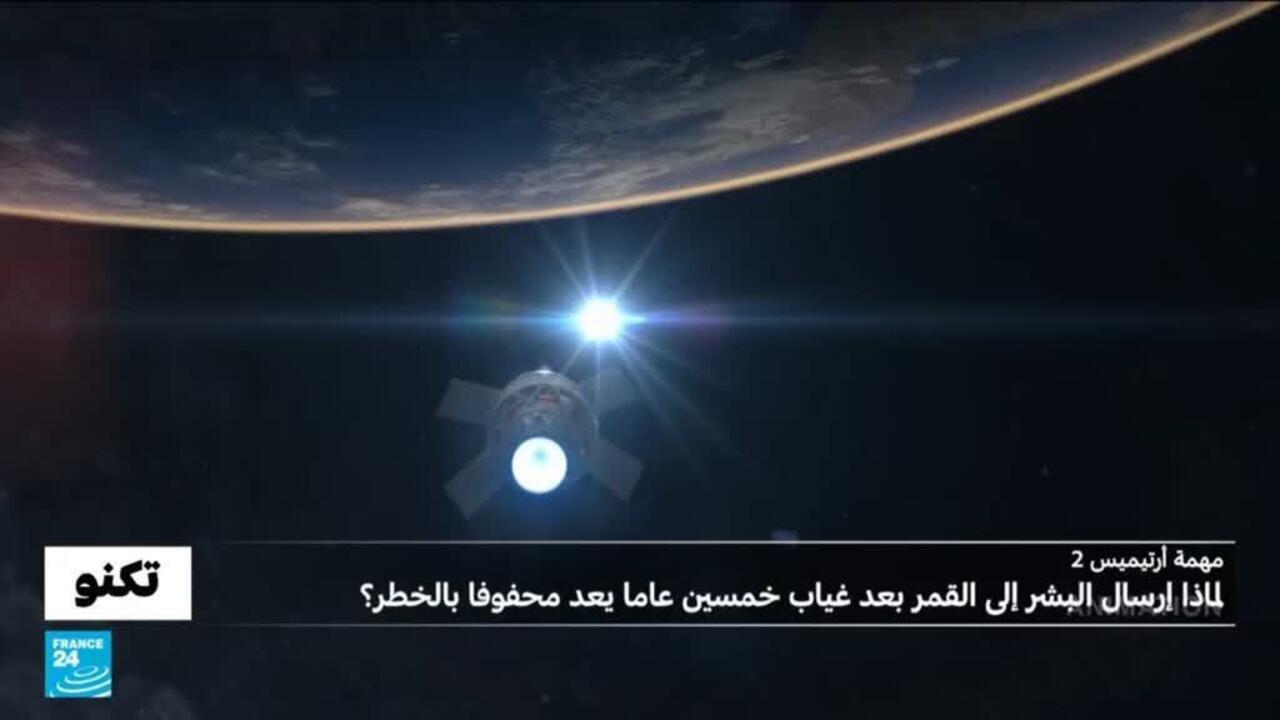
Tonight, NASA's Artemis 2 mission will launch, carrying four astronauts on a journey to the Moon. This mission is part of the United States' efforts to explore space and return humans to the Moon, but the challenges and risks it faces make it one of the most complex missions in space history.
The astronauts on this mission include Christina Koch, Jeremy Hansen, John Shoffner, and William Bond, who will embark on a journey lasting approximately 10 days. The spacecraft will launch from the Kennedy Space Center in Florida, heading towards the Moon to test new technologies and evaluate systems for future missions.
Event Details
The Artemis 2 mission is a significant step in the Artemis program, which aims to return humans to the Moon by 2025. The Orion spacecraft will orbit the Moon before returning to Earth. This mission is the first to carry astronauts since the Apollo 17 mission in 1972, marking a milestone in the history of space exploration.
Despite significant technological advancements, the mission faces numerous risks. Among these are challenges related to controlling the spacecraft in the harsh environment of space, as well as health risks that astronauts may encounter due to cosmic radiation.
Background & Context
Efforts to explore the Moon date back decades, with the United States having sent the first human to the Moon in 1969 during the Apollo 11 mission. Since then, technology has evolved significantly, allowing NASA to develop new programs aimed at deeper space exploration.
The Artemis program is part of a larger vision for exploring Mars and deep space, as the United States seeks to enhance its presence in space and develop new technologies that could benefit humanity in the future.
Impact & Consequences
If the Artemis 2 mission is successful, it will open new horizons for space exploration and may lead to the development of new technologies in various fields, including communications and medicine. Additionally, success in this mission could strengthen the United States' position in the space race, especially amidst increasing competition from countries like China and Russia.
This mission also represents an opportunity to enhance international cooperation in space, as other countries may participate in future programs, contributing to shared goals in space exploration.
Regional Significance
Although the Artemis 2 mission is primarily focused on the United States, its impact may extend to the Arab region. Interest in space has been growing in Arab countries, with many nations developing their own space programs, such as the United Arab Emirates, which launched the Hope Probe to Mars.
This mission could inspire a new generation of scientists and engineers in the Arab world, bolstering their efforts in science and technology and contributing to sustainable development in the region.
In conclusion, the Artemis 2 mission represents a significant step towards space exploration, despite the risks and challenges it faces. The success of this mission could open new horizons for humanity in its journey into space.