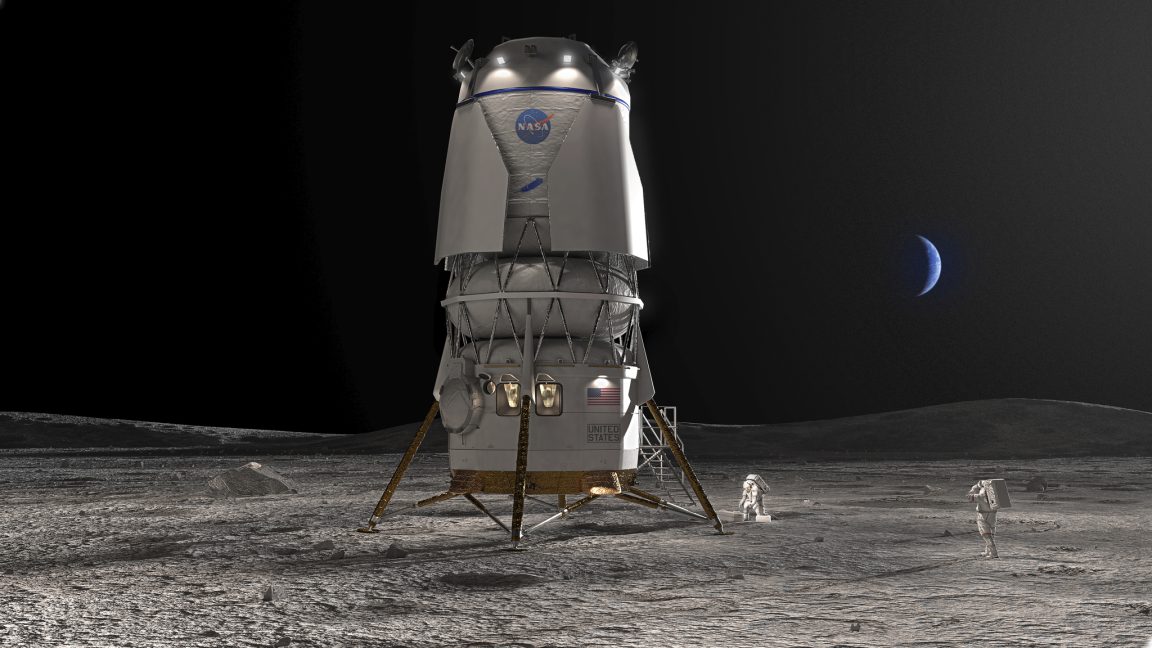
NASA is preparing to make crucial decisions regarding the Artemis 3 mission, focusing on the mission's initial orbit. These developments come as the Orion spacecraft continues its journey, reflecting ongoing progress in the Artemis program aimed at returning humans to the Moon.
The Artemis 3 mission is considered one of the most significant missions in the history of space exploration, aiming to land astronauts on the lunar surface by 2025. NASA is working to determine the orbit in which the spacecraft will circle the Moon, a decision that will greatly impact how the mission will be executed.
Current Discussions on Initial Orbit
The ongoing discussions at NASA involve several options for the initial orbit, where the agency must evaluate various factors such as safety, efficiency, and the ability to achieve scientific objectives. This decision is part of the final preparations for the mission, which will witness the landing of the first woman and man on the Moon.
Determining the orbit requires a thorough analysis of current data, including information derived from previous missions. The Orion spacecraft, which is still in space, is expected to play a crucial role in providing the necessary data for the final decision.
Background & Context
Historically, American space programs have seen significant successes in lunar exploration, starting with the Apollo program that sent astronauts to the Moon in the 1960s and 1970s. After decades of hiatus, NASA has now returned with the Artemis program, which aims to explore the Moon more comprehensively, including establishing a permanent base.
This renewed focus on lunar exploration reflects a shift in NASA's strategy, emphasizing not just short-term missions but also long-term sustainability on the Moon. The Artemis program is designed to pave the way for future missions to Mars and beyond.
Impact & Consequences
NASA's decisions regarding the Artemis 3 orbit could significantly affect the mission's timeline, as any delays in determining the orbit may impact the overall schedule. Success in this mission could also enhance the United States' standing in the international space race.
Moreover, the outcomes of the Artemis 3 mission may inspire other nations, particularly in the Arab world, to develop their own space programs. The implications of this mission extend beyond national pride, potentially fostering international collaboration in space exploration.
Regional Significance
The Artemis 3 mission represents a pivotal step towards deeper space exploration, reflecting NASA's new direction towards deep space exploration. This mission not only aims to achieve significant milestones in lunar exploration but also serves as a catalyst for global partnerships in space science.
As nations observe the advancements made through the Artemis program, there may be increased interest and investment in space initiatives across the globe, particularly in regions that have historically been less involved in space exploration.