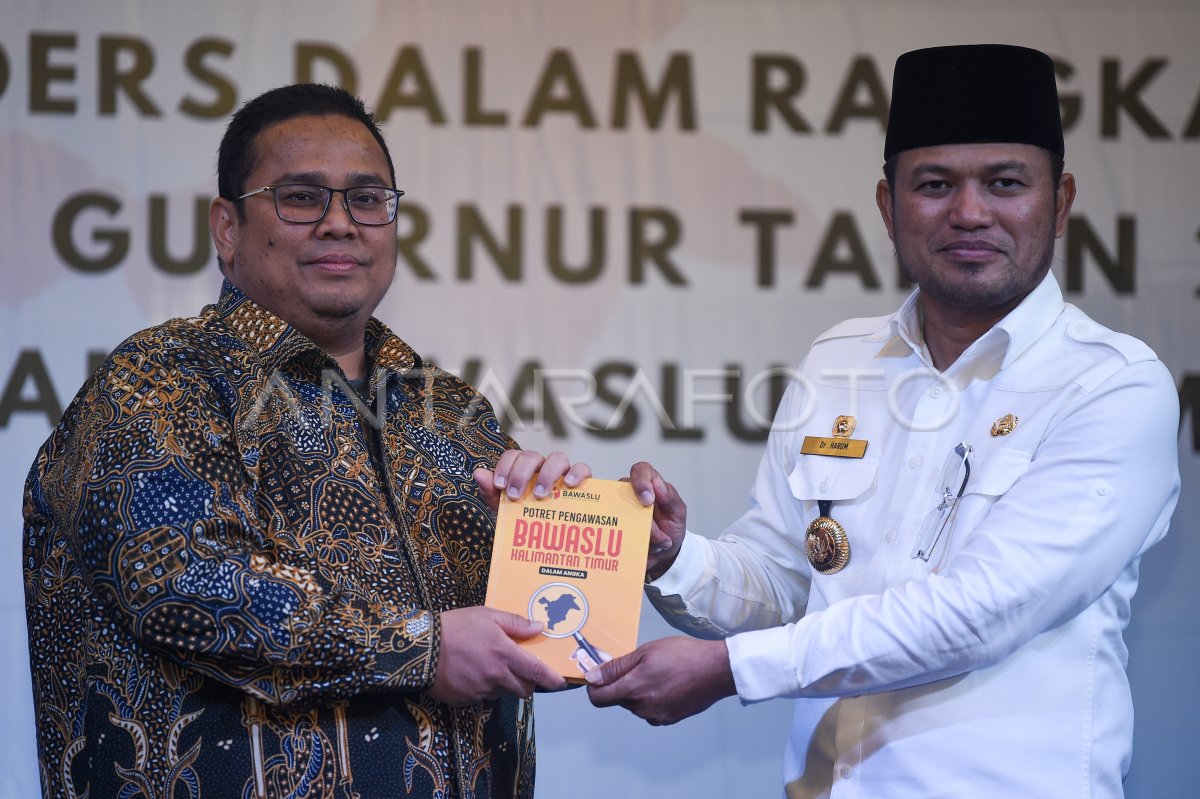
A new book titled 'The History of Islam in East Kalimantan: Four and a Half Centuries of Da'wah' was launched in Samarinda, Indonesia, aiming to promote values of tolerance and cultural diversity among communities. This launch took place during an official event attended by several academic and religious figures, where the author, historian Mohammad Sarib, emphasized the significance of this work in educating new generations about the history of Islam in the region.
The book reviews the journey of Islamic da'wah in East Kalimantan from its inception in 1575 until 2025, highlighting the role of scholars and religious leaders in spreading Islam and fostering peaceful coexistence among various cultures and religions. Sarib noted that this book serves as an important update to the knowledge regarding the history of Islam in the region, as no comprehensive work on this subject has been published in the last three decades.
Event Details
The launch ceremony was held at Moluwa Man University, where copies of the book were distributed to local libraries to ensure accessibility for all community members, especially the youth. The preparation of the book took three months of in-depth discussions and intensive writing by a team of experts, supported by the Local Studies Center in Samarinda.
Sarib also mentioned that the book includes a collection of historical facts and stories gathered from the families of scholars who contributed to the spread of Islam, adding a human touch to historical events.
Background & Context
The history of Islam in Indonesia spans centuries, as the country is considered one of the largest Islamic nations in the world. Cultural and commercial exchanges have played a significant role in introducing Islam to the region, leading to the formation of a rich and diverse cultural identity. The new book serves as an important reference for understanding how Islam has evolved in East Kalimantan and its impact on the local community.
The book also addresses how Islamic teachings interacted with local cultures, contributing to the establishment of a cohesive society that promotes values of tolerance and mutual respect. These values are essential in light of the challenges facing communities today.
Impact & Consequences
The book represents an important step towards enhancing mutual understanding between cultures and religions, reflecting how religion can be a unifying factor rather than a cause for division. Additionally, the book contributes to preparing a new generation capable of facing future challenges by promoting values of tolerance and understanding.
The book is expected to play a pivotal role in upcoming academic conferences, including the 'Consortium of Universities in Borneo' conference scheduled for July 2026, which will gather representatives from Indonesia, Malaysia, and Brunei. This conference will serve as a platform for exchanging ideas on how to enhance education and understanding between cultures.
Regional Significance
This book serves as a model for promoting dialogue between cultures, which is also important for the Arab world. Given the challenges facing Arab communities, the Indonesian experiences in promoting tolerance and cultural diversity can serve as an inspiration. Understanding the history of Islam in different parts of the world strengthens the shared Islamic identity and reinforces bonds between communities.
In conclusion, 'The History of Islam in East Kalimantan' represents an important step towards fostering mutual understanding and tolerance, reflecting the significance of history in shaping modern societies.