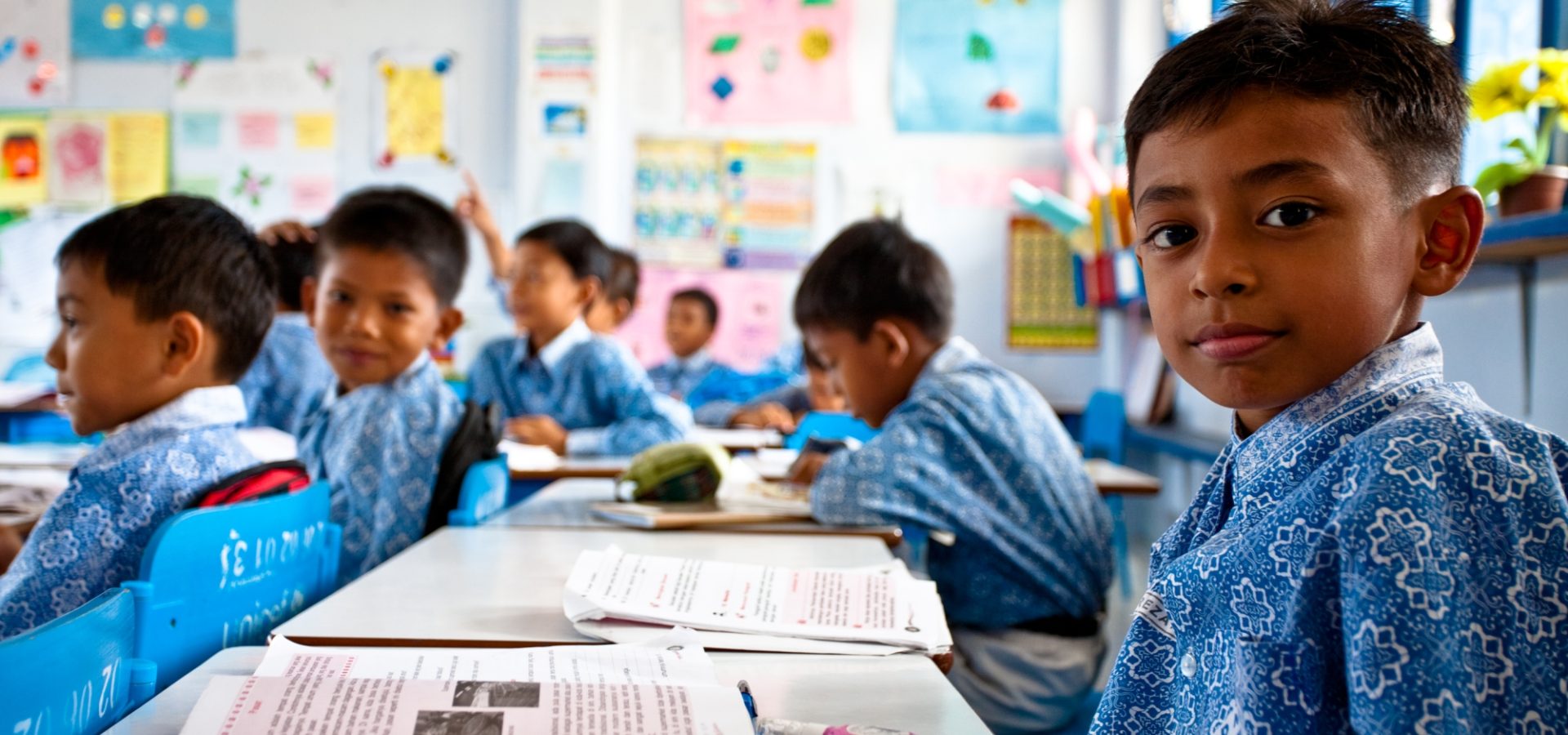
The Indonesian Ministry of Primary and Secondary Education (Kemendikdasmen) has announced its readiness to organize complementary exams for schools impacted by natural disasters, following reports of unfortunate incidents in recent days. Minister of Education Abdul Muhymin confirmed that the ministry is working on a special schedule for these complementary exams after some schools experienced incidents such as fires and floods.
During a press conference in Banten Province, the minister noted that a fire had been reported at one school, along with reports of flooding in Bengkulu, which affected the academic ability tests (TKA) for students in primary education. He assured that these complementary exams are not a retake but rather an opportunity for students whose schools were affected or who faced health issues during the exam period.
Details of the Event
The complementary exams are scheduled to take place after the completion of the primary academic ability tests, which will be held between May 11 and 17. The minister explained that the ministry is considering all emergency circumstances that may affect the exam process, and a flexible schedule has been established to meet the needs of students.
The minister also mentioned that the ministry has identified schools lacking computer labs, and these schools have been directed to collaborate with other schools that possess such facilities. This collaboration is not limited to schools of the same educational level; primary and secondary schools can also participate in this system.
Background & Context
Indonesia is one of the countries that frequently experiences natural disasters, such as earthquakes and floods, which impact the educational process. In recent years, the country has witnessed numerous incidents that led to the destruction of schools and the interruption of education. In this context, the Indonesian government is striving to ensure the continuity of education, even under difficult circumstances.
Historically, there have been ongoing efforts by the government to improve educational infrastructure and provide necessary resources to schools, especially in remote areas. However, natural disasters remain a significant challenge that affects the achievement of educational goals.
Impact & Consequences
This initiative is part of the Indonesian government's efforts to ensure that students are not negatively impacted by emergency situations. The complementary exams are expected to help reduce the educational gap that may arise as a result of disasters. Additionally, these measures reflect the government's commitment to providing quality education for all students, regardless of surrounding circumstances.
Moreover, these steps may help enhance community confidence in the educational system, as parents feel that the government is considering their children's needs during tough times. This could lead to increased community support for schools and educational efforts.
Regional Significance
Indonesia's experience in dealing with natural disasters and their educational repercussions serves as an important lesson for many Arab countries facing similar challenges. Natural disasters such as floods and earthquakes can impact education in numerous Arab nations, necessitating similar measures to ensure the continuity of education.
Arab countries can benefit from this experience by developing educational emergency plans that ensure students are not adversely affected in the event of disasters. Additionally, enhancing collaboration between schools could be an effective solution to address educational challenges.