The Sharjah Health Authority has announced the release of a comprehensive guide for mosquito control safety, aimed at enhancing health awareness among the emirate's residents. This guide comes as part of the emirate's efforts to combat the spread of mosquito-borne diseases, such as Dengue fever and Zika, which pose a threat to public health.
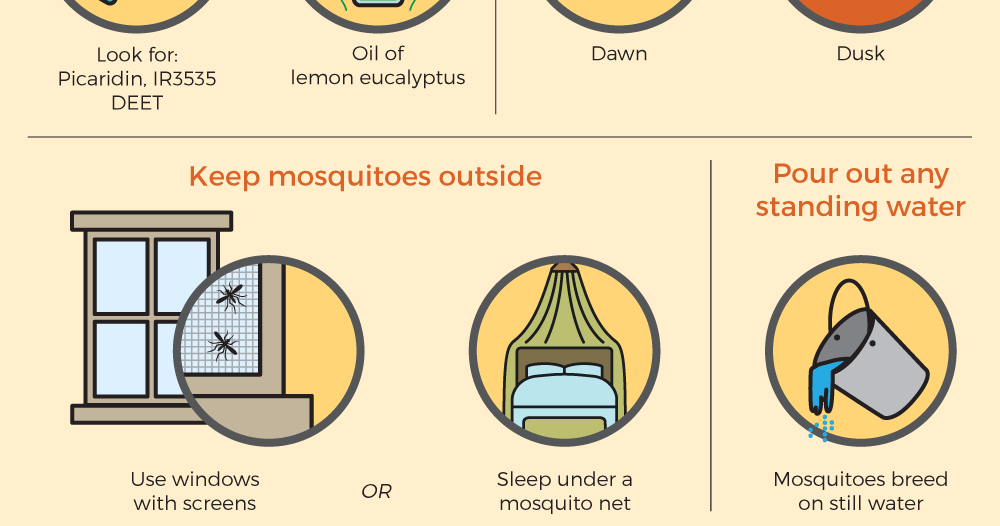
The guide includes important information on how to prevent mosquito infestations, including tips on how to eliminate stagnant water, which serves as an ideal breeding ground for mosquitoes. Additionally, the guide provides guidelines on the safe and effective use of insecticides, as well as natural methods for combating these pests.
Event Details
This initiative comes at a time when concerns about the spread of mosquito-borne diseases are increasing, particularly with climate change affecting the breeding patterns of these insects. The Sharjah Health Authority has confirmed that the guide is designed to be user-friendly, allowing all community members to access and benefit from it.
Officials also noted that the guide includes information on how to handle potential infection cases, helping to mitigate health risks. This guide is considered part of a comprehensive strategy aimed at improving public health in Sharjah.
Background & Context
Historically, many Arab countries have witnessed outbreaks of mosquito-borne diseases, prompting governments to take preventive measures. In recent years, cases of Dengue fever have increased in some areas, making it essential to enhance health awareness and provide necessary information to residents.
Sharjah is one of the seven emirates in the United Arab Emirates and has taken numerous steps to improve public health. By issuing this guide, Sharjah aims to be a model in the field of public health, reflecting its commitment to enhancing the quality of life for its citizens and residents.
Impact & Consequences
The release of the mosquito control safety guide can have a significant positive impact on public health in Sharjah. By increasing awareness among residents, cases of mosquito-borne diseases can be reduced, leading to an overall improvement in quality of life.
Furthermore, such initiatives can foster cooperation between the community and health authorities, contributing to more effective achievement of public health goals. This step may also inspire other countries in the region to take similar actions against mosquito-borne diseases.
Regional Significance
Combating mosquitoes and the diseases they transmit is an important issue in many Arab countries, where these nations are experiencing climate changes that affect insect breeding. By enhancing health awareness and providing necessary information, Arab countries can better collaborate to face these health challenges.
In conclusion, the issuance of the mosquito control safety guide in Sharjah represents a positive step towards enhancing public health and reflects the emirate's commitment to improving the quality of life for its citizens. It is crucial for the community to embrace these initiatives and work to implement the provided guidelines to ensure a healthy and safe environment for all.