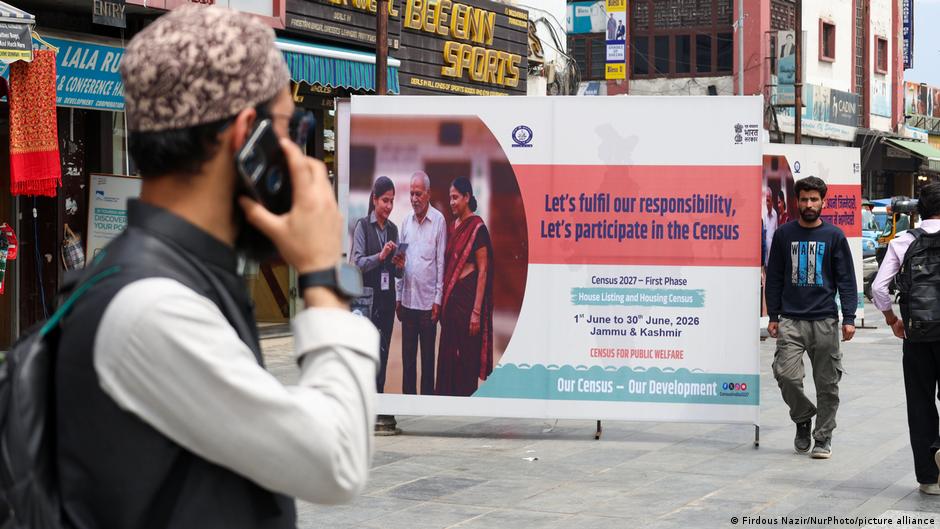
India, recognized as the largest country by population, has initiated a comprehensive digital census starting April 1, deploying over 3 million enumerators to collect data while providing a platform for citizens to enter their information independently.
In the first phase, officials are focusing on recording households and living conditions, gathering data on 33 criteria, including building materials, access to essential services like electricity and clean water, and ownership of assets such as smartphones and vehicles.
Details of the Census Process
Each building will also be geographically located to ensure complete geographical coverage and accurately reflect the country's infrastructure. The second phase, scheduled for early next year, will involve the collection of detailed demographic, social, and economic data, including recording age, education, and occupation for each individual. Officials hope that by digitally gathering data on migration and fertility, they can form a comprehensive picture of India's changing population.
A notable feature of this census is the inclusiveness of the caste enumeration across all communities, marking the first exercise of its kind since 1931. Between April 1 and 15, Indian citizens have the option to report all vital data themselves.
Background & Context
The census process is a vital tool for the government, providing a foundation for developmental planning in India for the next decade. However, this digital shift raises significant concerns, particularly among individuals lacking technological expertise, most of whom reside in rural areas. These individuals may find the electronic platform a considerable barrier, necessitating data collection by enumerators, which comes with its own challenges.
Before the census launch, critics questioned whether enumerators would be given sufficient time and training to handle the vast number of households needing processing. Some fear that families may be encouraged to input data themselves without adequate support or may pass their data through informal intermediaries.
Impact & Consequences
Critics are particularly concerned that the data could be used for political manipulation. The expected results in 2027 will influence some of the most sensitive political decisions in India, from caste enumeration to redistricting electoral boundaries. While the previous census was conducted in 2011, the transition from traditional methods to digital could heighten the risks associated with data quality.
S. Y. Qureshi, a former election commissioner, states that the risks are not new, but digitization alters their scope. What was once local and contextual can now become systemic if safeguards fail. He emphasizes that the success of the census relies on transparency and audits, not just on technology.
Regional Significance
This issue underscores the importance of transparency in data collection and its impact on future policies. The census results will play a crucial role in shaping India’s socio-economic landscape, influencing resource allocation and governance.
In conclusion, as India embarks on this digital census, the balance between technological advancement and safeguarding against potential misuse of data remains a critical challenge that must be addressed to ensure the integrity of the process.