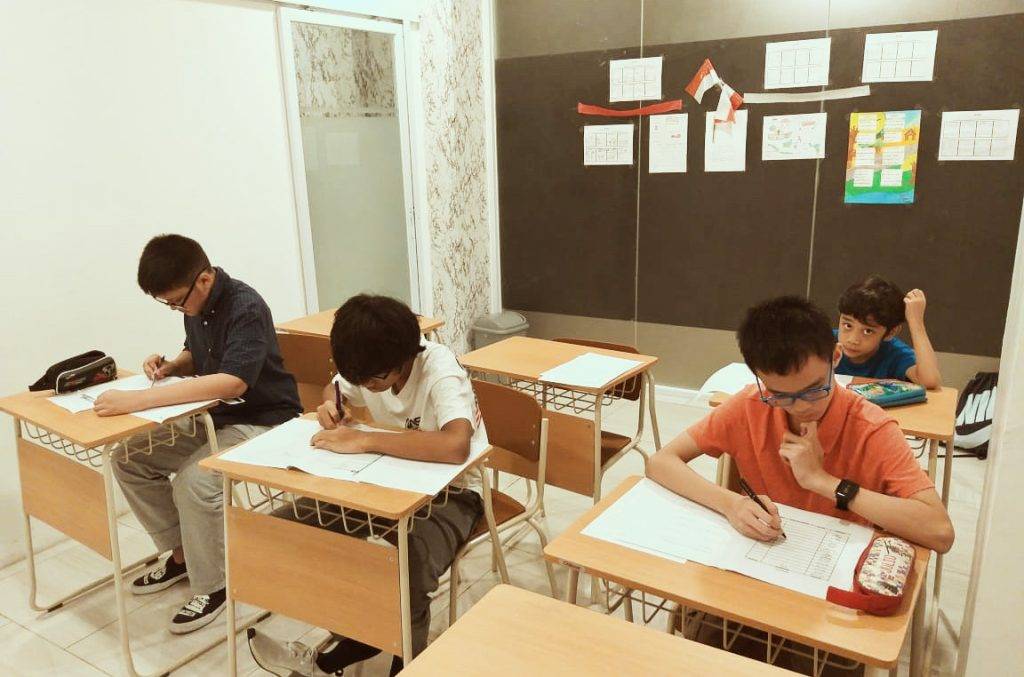
The East Jakarta government (Pemkot Jaktim) has announced the launch of a new educational program aimed at supporting 30 students holding the Jakarta Smart Card (KJP) in their pursuit of enrolling in public universities. This initiative is part of the government's efforts to enhance higher education opportunities for students from low-income families.
During the program's launch ceremony, Mujirin, the Mayor of East Jakarta, emphasized that this program is a continuation of previous efforts that included free trial tests for students. Five rounds of these tests were organized, resulting in the acceptance of 15 students into public universities through the invitation pathway.
Program Details
The new program, known as the Nayo Program, targets third-year high school students and offers them an intensive 20-day training course. The program includes specialized educational sessions, along with direct support in the university registration process. The number of participants has been increased from 20 to 30 students in response to high demand from schools and parents.
The program aims to equip students with the knowledge and skills necessary to pass the entrance exams for public universities, providing all services free of charge, including transportation and food costs.
Background & Context
East Jakarta is one of the regions facing economic and social challenges, where many students from low-income families strive to achieve their dreams of higher education. Studies have shown that education is a key factor in combating poverty and improving living standards.
This program is a result of an initiative from the local government, which gathered opinions from the local community regarding the importance of education. The program has been designed to meet the needs of students who face difficulties accessing higher education.
Impact & Consequences
This program is expected to improve students' chances of enrolling in universities, potentially leading to an increase in the number of graduates from low-income families. This effort reflects the government's commitment to promoting social justice through education.
Higher education is one of the essential keys to improving economic and social conditions, and thus the success of this program could open doors for more similar initiatives in the future.
Regional Significance
Many Arab countries face similar challenges in education, where many students from low-income families seek better educational opportunities. The experience of East Jakarta could serve as a model for Arab countries, where local governments could adopt similar programs to support students.
In conclusion, this program represents a positive step towards improving higher education opportunities for students from low-income families and reflects the government's commitment to enhancing social justice through education.