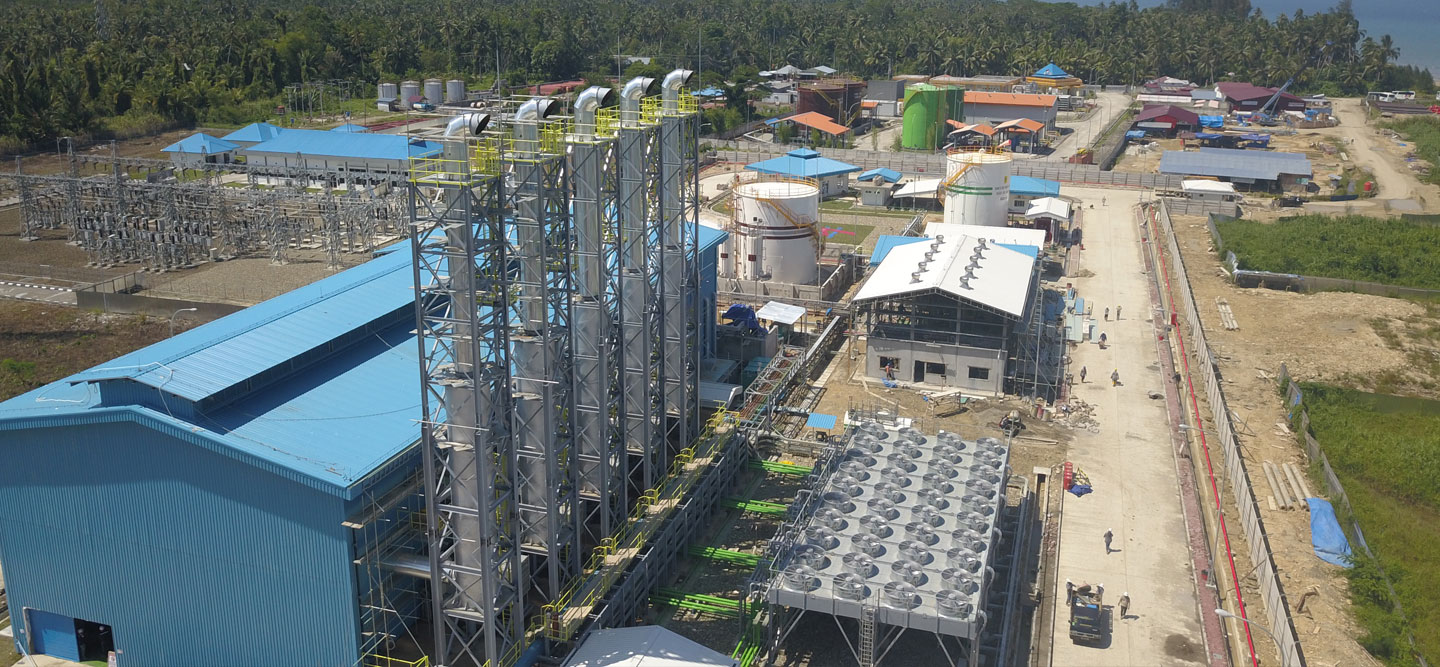
PLN (the Indonesian National Electricity Company) has announced the launch of an electricity project in the village of Ombolata, located in Nias Utara district, as part of its efforts to enhance energy access in remote areas. This project is part of the "Electricity for Villages" program, which aims to improve quality of life and promote economic development in regions suffering from a lack of basic services.
During the inauguration ceremony held in Medan, the General Manager of PLN in North Sumatra, Mundhakir, emphasized that electricity represents the main foundation for supporting sustainable and inclusive development in these areas. He noted that the project includes building electrical infrastructure, including medium and low voltage networks and electricity distribution stations, which will contribute to providing the necessary energy for local residents.
Event Details
Mundhakir clarified that the project is not limited to providing electricity alone but seeks to open new horizons for improving education quality, economic growth, and community welfare. He affirmed that the presence of electricity in Ombolata village symbolizes progress and equality, reflecting the Indonesian government's commitment to achieving sustainable development.
He also pointed out that developing electrical infrastructure in island regions like Nias Utara faces numerous challenges, including difficult geographical conditions and limited access to logistics. However, through cooperation between PLN, local government, and community support, these challenges have been overcome.
Background & Context
Indonesia is considered one of the largest archipelagic countries in the world, comprising over 17,000 islands. However, many areas still suffer from a lack of energy access, negatively impacting economic and social development. In recent years, the Indonesian government has launched several initiatives aimed at improving energy access in remote areas, including the "Electricity for Villages" program, which aims to provide electricity to over 10,000 villages by 2024.
These efforts are part of the Indonesian government's vision to achieve sustainable development and promote equality in access to basic services. Significant budgets have been allocated for this purpose, reflecting the government's commitment to improving the quality of life in remote areas.
Impact & Consequences
The electricity project in Ombolata village is expected to contribute to enhancing economic and social development in the region. Electricity will enable local residents to use electrical appliances, facilitating their access to information and communication with the outside world. It will also help improve education quality by providing the necessary lighting for studying.
Furthermore, the project will contribute to creating new job opportunities and enhancing local economic activities, leading to an improved standard of living for residents. Thus, this project is a significant step towards achieving sustainable development in Nias Utara.
Regional Significance
Although this project focuses on Indonesia, it has important implications for Arab countries facing similar challenges in providing energy to remote areas. Many Arab countries, especially in rural areas, suffer from a lack of access to electricity, which affects economic and social development.
Arab countries can benefit from Indonesia's experience in developing renewable energy projects and expanding the electricity grid in remote areas. These projects can serve as a model for promoting sustainable development and achieving equality in access to basic services.
In conclusion, the electricity project in Nias Utara represents an important step towards achieving sustainable development and reflects the importance of collaboration between the government, private sector, and local community in improving quality of life in remote areas.