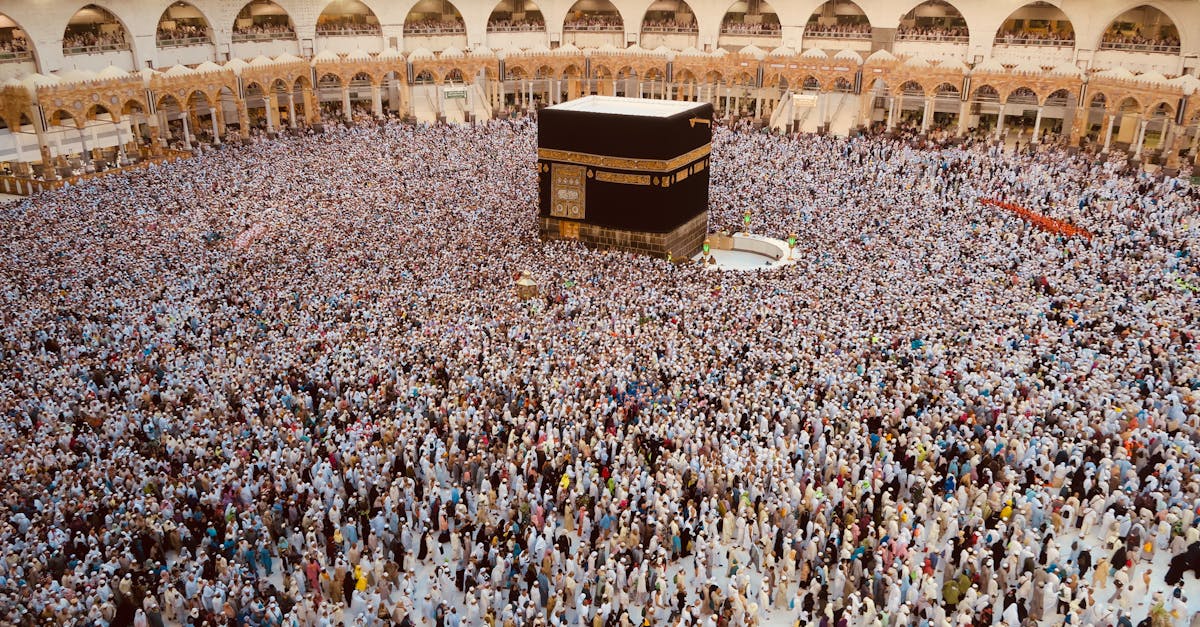
In a significant step for the 2026 Hajj season, Embarkasi Banjarmasin in Indonesia has launched the eleventh journey for pilgrims from the Hulu Sungai Utara region, sending 359 pilgrims to the holy lands in Mecca. The journey took place on May 9, 2026, at 02:15 AM Indonesian time.
Eddy Khairani, head of the Hajj organizing team at Embarkasi Banjarmasin, stated that this journey is part of the second phase of national pilgrim flights, where they are transported directly from Syamsudin Noor Airport in Banjarmasin to King Abdulaziz Airport in Jeddah.
Details of the Event
During this journey, pilgrims will don their Ihram clothing from Indonesia, facilitating their performance of Umrah upon arrival in Mecca. Khairani explained that the limited time at the airport makes it difficult for pilgrims to change their clothes, thus this decision was made to ensure the smooth operation of the journey.
He also pointed out that good organization of the transfer process from the airport to the designated buses for transporting pilgrims to Mecca is vital to avoid any delays or issues that might disrupt the journey.
Background & Context
Historically, Hajj is one of the five pillars of Islam, attracting millions of Muslims from around the world each year. Indonesia, being the largest Muslim-majority country by population, consistently sees a high turnout for performing Hajj rituals.
In the current Hajj season, 19 flights have been allocated from Embarkasi Banjarmasin, including 14 flights from South Kalimantan and 5 flights from Central Kalimantan, reflecting the Indonesian government's commitment to facilitating the Hajj pilgrimage for its citizens.
Impact & Consequences
These journeys serve as an opportunity to strengthen spiritual ties among Muslims, as Hajj promotes unity and solidarity among pilgrims from various regions. Additionally, the well-organized nature of these trips reflects Indonesia's capability to manage Hajj rituals efficiently.
From a health perspective, Khairani emphasized the importance of maintaining the health of pilgrims during the long journey to the holy lands, especially given the hot climatic conditions that may affect their ability to perform the rituals.
Regional Significance
These journeys are part of ongoing efforts to enhance religious tourism in the Arab region, contributing to an increase in the number of visitors to Mecca and Medina. Furthermore, the effective organization of Hajj reflects the commitment of Islamic countries to provide the best services for pilgrims.
In conclusion, the Hajj season represents a significant opportunity for Muslims to renew their faith and strengthen social bonds, making it essential that these journeys are well-organized to ensure the safety and comfort of the pilgrims.