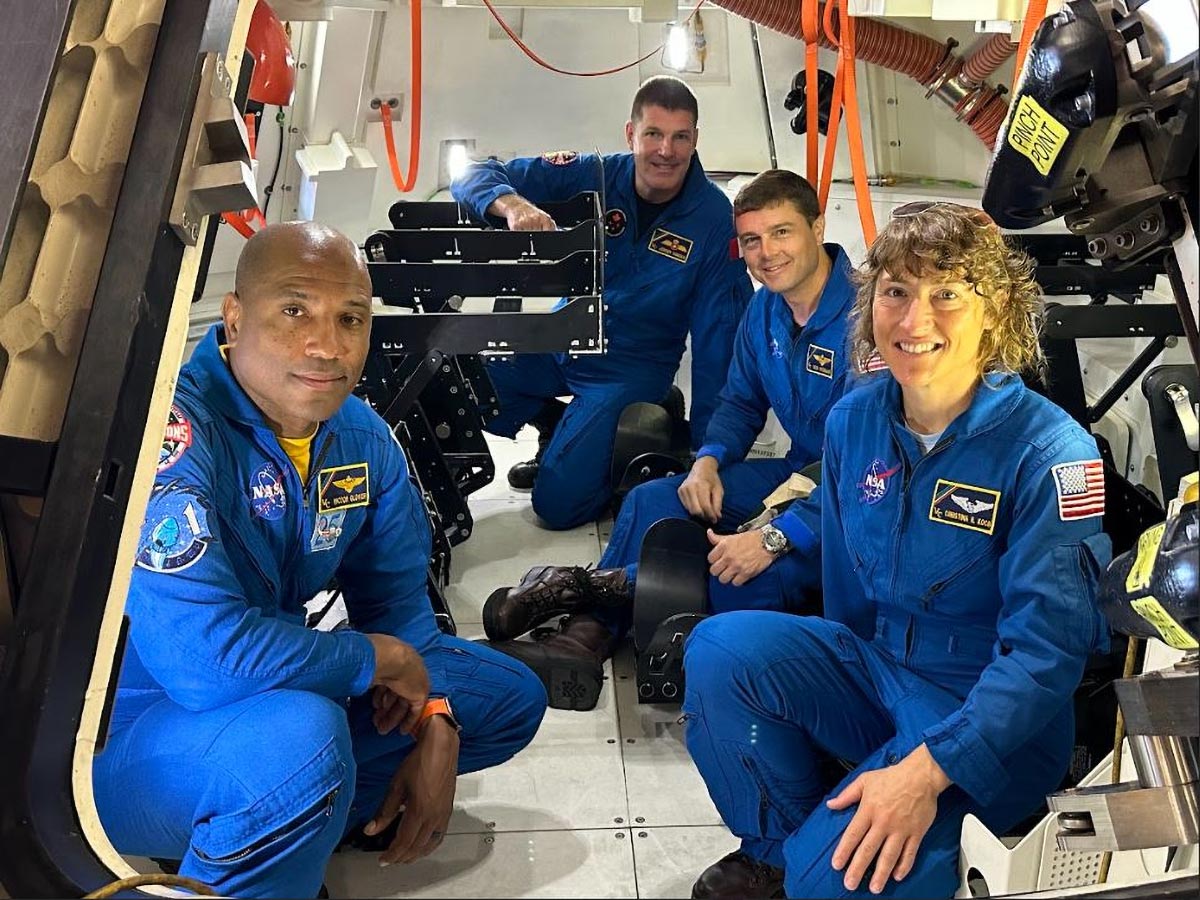
NASA has announced the launch of the first crewed mission to the moon in over 50 years, marking a historic step for humanity's return to the lunar surface. This mission is part of the Artemis program aimed at deep space exploration and enhancing international cooperation.
This mission is a part of NASA's efforts to return humans to the moon by 2024, representing a new beginning for space exploration. The mission will include sending astronauts to the lunar surface to conduct scientific research and develop new technologies.
Event Details
The Artemis 1 spacecraft was launched from the Kennedy Space Center in Florida, embarking on an uncrewed test flight. A crewed mission is scheduled to follow in 2024, during which astronauts will land on the moon and explore uncharted areas.
The mission involves the use of modern technologies such as the Space Launch System (SLS) and the Orion spacecraft, designed to carry astronauts on long journeys into space. Additionally, the mission aims to enhance international partnerships in space, with many countries participating in this ambitious project.
Background & Context
Historically, the last crewed mission to the moon was Apollo 17, launched in 1972. Since then, no space agency has sent astronauts to the moon, making this new mission a milestone in the history of space exploration.
Through the Artemis program, NASA aims to achieve ambitious goals, including returning to the moon and then sending astronauts to Mars by 2030. These plans are part of a larger vision for deep space exploration and developing new technologies that support life on other planets.
Impact & Consequences
This mission represents a turning point in space exploration, rekindling hope for a return to the moon and the exploration of other planets. It also enhances international cooperation in space, potentially leading to new scientific achievements.
Moreover, this mission will contribute to the development of new technologies that can be utilized in various fields, including communications, energy, and medicine, thereby enhancing the economic and scientific benefits of these projects.
Regional Significance
This mission presents an opportunity for Arab countries to enhance their participation in space exploration, inspiring new generations of scientists and engineers in the region. Furthermore, international cooperation in this field may open new avenues for Arab countries to engage in future space projects.
In conclusion, this mission represents an important step towards the re-exploration of the moon, paving the way for humanity to achieve new milestones in space. International cooperation in this field can contribute to promoting peace and sustainable development on planet Earth.