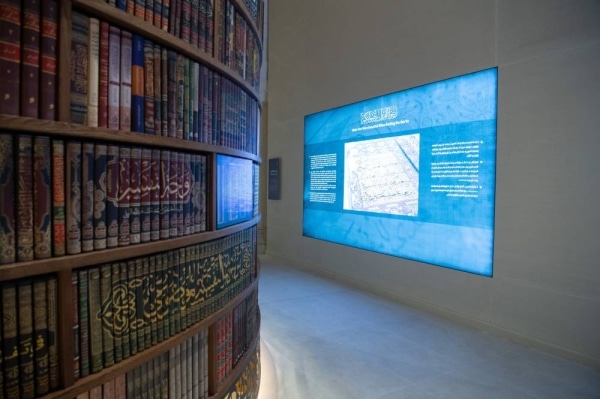
The Quran Museum in Mecca has launched sound projection technology, providing visitors with a unique interactive experience that embodies the world of Quran recitation. This technology enhances visitors' understanding of the Quran and its rich history.
This experience is part of the museum's efforts to utilize modern technology to present cultural and religious content in an innovative manner. Through this technology, visitors can listen to various recitations of the Quran, allowing them to interact with the sacred texts on a deeper level.
Event Details
The sound projection technology includes a visual and audio presentation that showcases Quran recitations by a group of renowned readers. Advanced devices are used to provide a distinctive audio-visual experience, where Quranic texts are displayed simultaneously with the recitations, making it easier for visitors to understand the meanings and concepts.
The museum also provides visitors with the opportunity to learn about the history of the Quran, including how it was compiled and recorded over the ages. This information is presented interactively, allowing visitors to feel as though they are part of a rich historical and cultural journey.
Background & Context
The Quran Museum in Mecca is considered one of the prominent cultural landmarks in the Kingdom of Saudi Arabia. It was inaugurated to promote a deep understanding of the Quran and its history, attracting visitors from around the world. These initiatives align with the Kingdom's Vision 2030, which aims to enhance cultural and religious tourism.
The importance of using technology in museums is increasing, as it contributes to attracting visitors and presenting educational content in an innovative way. Sound projection technology is an example of how technology can be integrated with cultural and religious heritage.
Impact & Consequences
This step demonstrates how technology can enhance visitor experiences in museums, potentially encouraging the development of more similar initiatives in the future. This technology is expected to contribute to an increase in the number of visitors to the museum, reinforcing its status as a cultural and religious destination.
Additionally, this experience may inspire other museums in the region to adopt similar technologies, fostering cultural cooperation among Arab countries. The use of technology in showcasing cultural heritage is an important step towards preserving cultural identity and enhancing religious awareness.
Regional Significance
These initiatives are part of broader efforts to promote Islamic culture in the region. By utilizing technology, Arab museums can present content that reflects their history and heritage in an innovative and engaging manner.
Enhancing understanding of the Quran and its history contributes to strengthening cultural and religious identity in the Arab world. Moreover, these interactive experiences help attract youth and enhance their interest in cultural and religious heritage.
In conclusion, the sound projection technology at the Quran Museum in Mecca represents a pioneering step towards integrating technology with cultural heritage, enhancing visitor experiences, and contributing to the awareness of the Quran and its history.