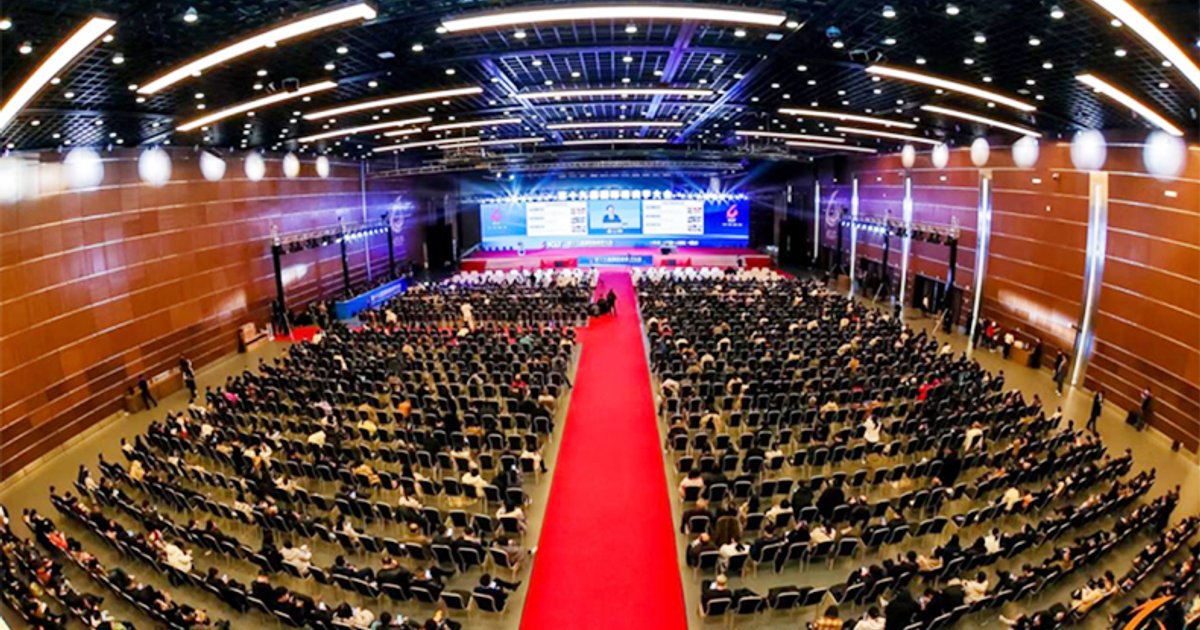
The 22nd International Conference on Looping Theory took place in the city of Xinjiang, Hebei Province, China, on March 28. The conference, held under the theme of 'Heritage, Openness, Innovation, and Integration', brought together a distinguished group of experts and academics from around the world to discuss the latest research achievements in the applications of Looping Theory.
During the opening ceremony, the 'Encyclopedia of Looping Theory' was launched, prepared by academic Wu Yiling and his research team. The book integrates recent research achievements with clinical insights on Looping Theory and is considered a significant step towards modernizing traditional Chinese medicine. It consists of four volumes covering various topics including Looping Theory, clinical applications, medications and formulas for treatment, and body health through channel organization.
Event Details
The conference included keynote sessions where Wu Yiling and Jia Zhenhua, a professor at the Innovative Medicine Academy in Hebei, presented academic reports on topics related to Looping Theory. The reports highlighted the importance of medications that enhance channels in the prevention and treatment of respiratory diseases and cardiovascular diseases.
The conference also featured several sub-forums addressing topics such as coronary heart disease, arrhythmia, heart failure, cerebrovascular diseases, diabetes, respiratory diseases, and urinary tract diseases, where participants discussed how Looping Theory could contribute to improving public health in these areas.
Background & Context
Looping Theory is considered a fundamental part of the academic system of traditional Chinese medicine and has gained increasing global attention in recent years. Its roots date back to ancient times, where it was used to treat diseases through a precise understanding of body balance. With the advancement of science, this theory has been integrated into modern medical research, enhancing its effectiveness.
Through such conferences, China aims to strengthen its position in the field of traditional medicine and present it as an alternative or complement to modern medicine, reflecting its significant interest in developing this field and achieving integration between different medical cultures.
Impact & Consequences
The conference serves as an important platform for exchanging ideas and innovations in medicine, potentially contributing to the development of new strategies for treating chronic diseases. The launch of the Encyclopedia of Looping Theory represents a step towards expanding knowledge about traditional Chinese medicine, which may lead to increased reliance on it in clinical treatments.
These developments are expected to improve treatment outcomes for many patients, especially in areas such as cardiovascular diseases and diabetes, where research shows that treatment based on Looping Theory can have a significant positive impact.
Regional Significance
In the Arab region, Looping Theory could have a substantial impact on how health systems address chronic diseases. With the rising prevalence of these diseases in Arab countries, principles derived from Looping Theory could offer new and effective solutions.
Furthermore, cooperation between Arab countries and China in the field of traditional medicine could open new horizons for cultural and scientific exchange, contributing to enhancing public health in the region.
The 22nd International Conference on Looping Theory represents an important step towards enhancing the understanding and practical application of traditional Chinese medicine, reflecting China's commitment to developing this field. By exchanging knowledge and experiences, these initiatives could contribute to improving public health on a global scale.