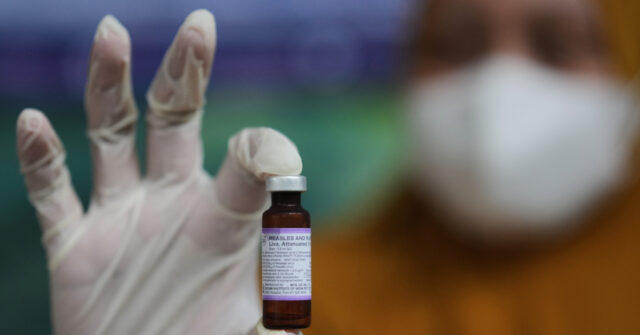
The Indonesian Drug and Food Control Agency (BPOM) has announced the expansion of the Bio Farma measles vaccine to include adults, effective from April 7, 2026. This decision aims to provide an economic alternative to address the risk of measles outbreaks, especially among healthcare workers who are considered the most vulnerable to infection.
In a statement, Dr. Sukamto Kusno, head of the adult vaccination committee at the Indonesian Association of Internal Medicine (PAPDI), confirmed that this step will allow adults who do not belong to the targeted vaccination groups to receive the vaccine independently. He noted that the new vaccine will be available at affordable prices compared to other imported vaccines.
Details of the Initiative
The approval for the use of the Bio Farma vaccine for adults is part of the government's efforts to combat the outbreak of measles, which has seen a rise in cases in recent years. Targeted groups, including healthcare workers, have been identified to ensure the protection of those who interact directly with patients.
Dr. Sukamto also highlighted the importance of this initiative, as vaccination campaigns have been organized at universities, such as the University of Indonesia, to encourage students and medical staff to receive the vaccine. He emphasized the need for community collaboration in addressing this health challenge, rather than relying solely on government programs.
Background & Context
Historically, Indonesia has experienced outbreaks of measles, prompting the government to take urgent measures to expand vaccination coverage. Measles is a contagious disease that can lead to severe complications, particularly among adults with weakened immune systems.
In previous years, other vaccines have been offered to adults, but the Bio Farma vaccine represents a new step towards strengthening national efforts to combat infectious diseases. This vaccine is expected to contribute to reducing the number of infections and deaths caused by measles.
Impact & Consequences
This decision is expected to have a positive impact on public health in Indonesia. Expanding vaccination coverage will help reduce the spread of measles, thereby protecting the most vulnerable groups. Additionally, providing an affordable vaccine will encourage more individuals to get vaccinated.
Furthermore, this initiative could serve as a model for other countries facing similar public health challenges. Strengthening vaccination programs can contribute to achieving sustainable development goals related to health.
Regional Significance
Indonesia's experience in expanding vaccination coverage is an important lesson for Arab countries facing similar challenges in combating infectious diseases. Arab nations can benefit from this experience to enhance their vaccination programs, especially given the current health conditions.
Moreover, cooperation among countries in sharing knowledge and expertise can improve health systems' responses to epidemics.