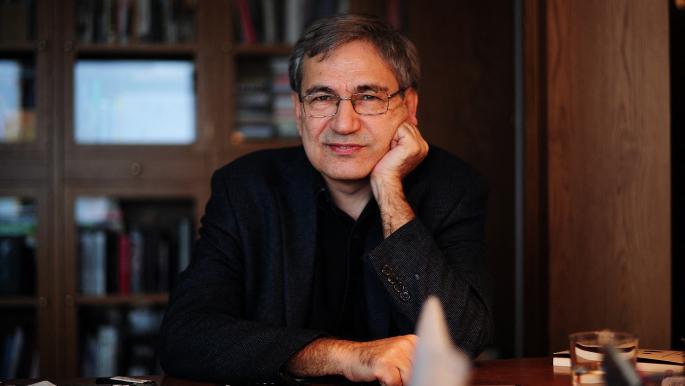
Turkish novelist Orhan Pamuk is preparing to release his new book 'Words and Images' in mid-next month, which combines memories and literary and artistic reflections, transcending the traditional narrative form for which he is well-known.
This work reflects a different aspect of Pamuk's creativity, showcasing his ability to express ideas and emotions in a new and innovative way. The book addresses a range of topics related to art and literature, making it a valuable addition to contemporary literary libraries.
Details of the Event
The book contains a collection of texts that highlight Pamuk's reflections on art and culture, alongside personal memories that form part of his literary experience. This work serves as an exploration of the world from Pamuk's perspective, demonstrating how memories intertwine with various art forms.
The book is expected to attract the interest of both readers and critics alike, as Pamuk is considered one of the most prominent literary voices in Turkey and the world. It illustrates how writing can transcend the traditional boundaries of the novel, opening new horizons for literary expression.
Background & Context
Orhan Pamuk is a Turkish writer known for his unique style and ability to blend history and culture in his works. Since the release of his first novel, Pamuk has become a symbol of modern Turkish literature, addressing issues of identity, belonging, and history in his writings. 'Words and Images' marks a new step in his literary journey, as he moves away from traditional narrative storytelling.
This move comes at a time when global literature is shifting towards new forms of writing, reflecting the cultural and social changes occurring worldwide. Through this book, Pamuk demonstrates how literature can adapt to these changes and remain impactful.
Impact & Consequences
The book 'Words and Images' is expected to have a significant impact on readers and critics, serving as a call to reflect on how literature addresses art and culture. It shows that literature can be a means of expressing ideas and emotions in new ways, enhancing the importance of writing as an art form.
This work also presents an opportunity for readers to explore new aspects of Pamuk's creativity, adding a new dimension to their literary experience. This book could inspire other writers to explore new forms of writing, thereby enhancing the diversity of contemporary literature.
Regional Significance
Pamuk is considered one of the writers who can inspire Arab authors, demonstrating how literature can transcend cultural and linguistic boundaries. His new book emphasizes the importance of the arts in expressing identity and culture, a significant topic in the Arab context.
This book may also contribute to enhancing cultural dialogue between Turkey and Arab countries, showing how literature can serve as a bridge for communication and understanding between different cultures. It presents an opportunity for Arab readers to explore new ideas and expand their literary horizons.