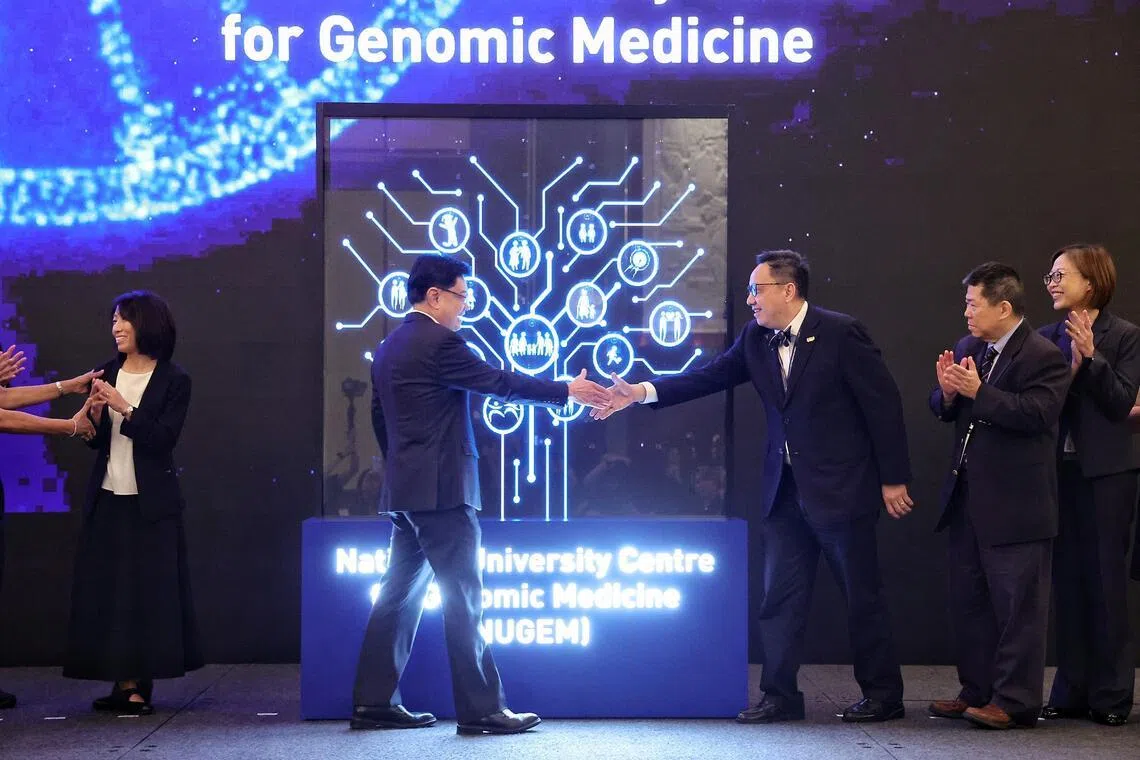
The National University Health System (NUHS) in Singapore has announced the completion of over 2,000 pharmacogenomic tests, showcasing significant progress in the field of personalized medicine. The new center aims to expand the scope of these tests to better meet patient needs, enhancing the potential for tailored treatments based on each individual's genetic makeup.
Pharmacogenomic testing is a vital tool in modern medicine, contributing to understanding how patients respond to various medications. By analyzing genes, doctors can select the most effective treatments with fewer side effects, which ultimately improves treatment outcomes.
Event Details
The new center has been established as part of NUHS's efforts to promote research and innovation in healthcare. It is equipped with the latest technologies and tools necessary for conducting pharmacogenomic tests, enabling researchers and physicians to collaborate in developing new therapeutic strategies.
This development comes at a time when there is a growing global interest in personalized medicine, as many countries strive to enhance the quality of healthcare through the use of genetic data. NUHS is among the leading institutions in this field, aiming to provide advanced medical services that meet community needs.
Background & Context
Historically, pharmacogenomic testing began to emerge as a tool for personalizing treatments in the early 2000s. With advancements in technology, these tests have become more accurate and reliable, leading to increased usage in hospitals and medical centers worldwide.
In recent years, several countries, including those in the Arab region, have shown a growing interest in pharmacogenomic applications. These nations are seeking to improve their healthcare systems by integrating modern technology into medical treatments.
Impact & Consequences
Expanding pharmacogenomic testing at NUHS represents a significant step towards improving healthcare. This center is expected to help reduce treatment costs by minimizing trial and error in drug selection, meaning patients will receive appropriate treatments more quickly.
Moreover, this development may encourage further research in the field of pharmacogenomics, leading to new discoveries that could change the way chronic and complex diseases are treated.
Regional Significance
The Arab region is in urgent need of improving its healthcare systems, and pharmacogenomics is one potential solution to achieve this. Successful initiatives like those undertaken by NUHS can inspire Arab countries to adopt similar technologies, enhancing the quality of healthcare in the region.
Given the health challenges faced by Arab nations, pharmacogenomic testing could be an effective tool for improving treatment outcomes, particularly in areas such as cancer and genetic disorders.
In conclusion, the establishment of a new center at NUHS to expand pharmacogenomic testing efforts represents an important step towards a brighter future in healthcare. By utilizing modern technology, significant improvements can be made in how treatments are delivered, benefiting patients and society as a whole.