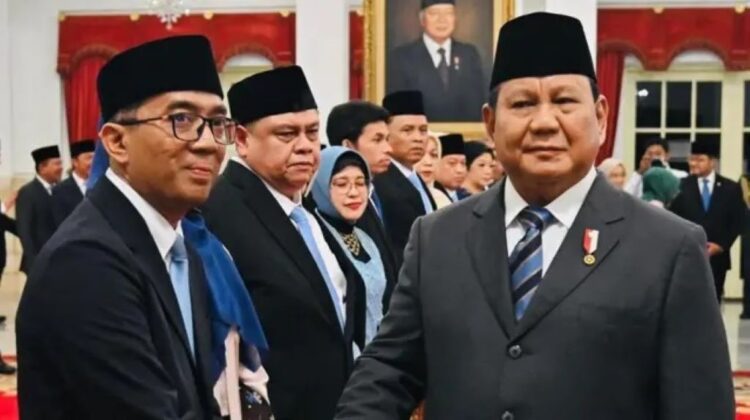
Indonesian Minister of Higher Education and Technology, Brian Yuliarto, issued a new circular numbered 2 for the year 2026, aimed at modifying work patterns in educational institutions. This decision comes at a time when the country is facing economic and environmental challenges that require a swift and effective response.
During a press conference in Jakarta, Yuliarto emphasized that this circular aims to create a more efficient work environment, particularly in light of current global challenges. He noted that the push for improved work efficiency is part of the government's efforts to address potential crises, such as economic downturns similar to those experienced during the COVID-19 pandemic.
Details of the Initiative
The new circular includes a call for universities to implement remote learning methods in a balanced manner, allowing advanced students, such as those in their fifth year and beyond, to benefit from these methods. However, certain courses requiring direct interaction, such as laboratories and practical lessons, have been exempted.
Additionally, the circular includes directives to enhance the use of digital platforms in academic and administrative activities, facilitating communication between students and professors while reducing the need for commuting, thereby contributing to lower energy consumption.
Background & Context
This step is part of the Indonesian government's efforts to enhance the efficiency of higher education, as the country has witnessed a shift towards digitization across various sectors in recent years. Experiences during the COVID-19 pandemic highlighted the importance of utilizing technology in education, prompting many educational institutions to adopt new teaching methods.
Indonesia is one of the largest countries in Southeast Asia, hosting numerous universities that strive to provide high-quality education. However, these universities face challenges related to resources and energy, necessitating effective measures to improve performance.
Impact & Consequences
This initiative is expected to contribute to improving the quality of higher education in Indonesia, enabling students to access academic content more easily. The use of digital platforms may also enhance interaction between students and professors, positively impacting the educational process.
Moreover, enhancing work efficiency in universities could help reduce operational costs, allowing for more resources to be directed towards improving the quality of education and scientific research.
Regional Significance
Indonesia's experience in enhancing higher education efficiency could serve as a model for Arab countries facing similar challenges. Arab nations can benefit from Indonesian experiences in promoting the use of technology in education, which can help improve educational quality and reduce costs.
In conclusion, this decision represents a positive step towards improving higher education in Indonesia and reflects the government's commitment to developing an educational system that aligns with global requirements.