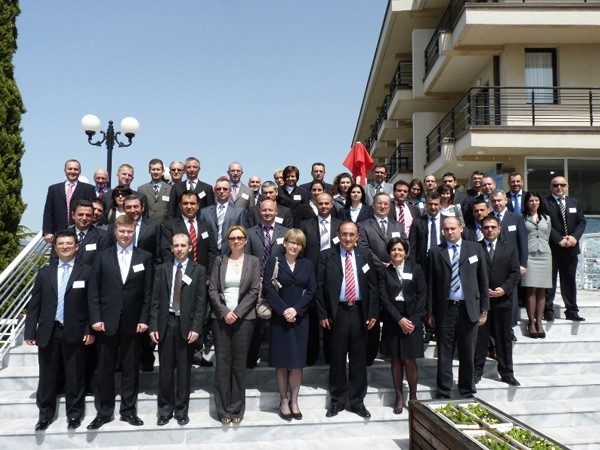
The first meeting of a new task force aimed at enhancing transparency in social assistance programs was held, addressing growing concerns over the exploitation of these programs. The meeting, chaired by relevant officials, focused on developing effective strategies to tackle challenges faced by these essential support systems, which are crucial for supporting the most vulnerable groups in society.
During the meeting, several key issues related to fraud in assistance programs were reviewed, emphasizing the importance of cooperation between various government entities and non-governmental organizations. Discussions included ways to improve identity verification mechanisms and eligibility assessments for receiving aid, aimed at reducing opportunities for fraud.
Details of the Event
The new task force consists of a group of experts and specialists in the fields of law, economics, and sociology, selected based on their previous experiences in combating fraud. The first meeting featured detailed reports on past fraud cases and how to address them. The main objectives of the team were outlined, which include enhancing monitoring and evaluation systems and developing awareness programs for beneficiaries.
Among the challenges addressed during the meeting were issues related to personal data and how to protect it, with a strong emphasis on the need to employ modern technologies to ensure the safety of information. Experiences from other countries in this field were also reviewed to benefit from lessons learned and apply them in the local context.
Background & Context
This initiative comes amid growing public concern over the exploitation of social assistance programs, which aim to support vulnerable groups in society. Historically, many countries have witnessed significant fraud cases that led to a loss of trust in these programs, prompting governments to take stringent measures to combat this phenomenon. In recent years, issues of fraud in social assistance have become a vital topic in political and social discussions.
Despite the efforts made, fraud remains a significant challenge, with studies indicating that a large percentage of assistance is exploited illegally. Therefore, establishing a specialized task force is an important step towards addressing these issues and improving the effectiveness of the programs.
Impact & Consequences
The establishment of the new task force to combat fraud could have positive effects at the community level, as it is expected to lead to improved distribution of aid and increased trust among beneficiaries. If the proposed strategies are successfully implemented, this could significantly reduce instances of fraud, thereby enhancing the effectiveness of the programs and ensuring that aid reaches those who truly need it.
Furthermore, this step may open the door for greater collaboration between government entities and civil society, strengthening anti-corruption efforts and enhancing transparency in the management of public resources.
Regional Significance
In the Arab region, issues of fraud in social assistance programs are among the major challenges facing governments. Many Arab countries suffer from similar problems, where assistance programs are subject to exploitation. Thus, the experience of this task force could serve as a model for other Arab countries, where successful experiences and lessons can be shared.
In conclusion, combating fraud in social assistance programs is not just a legal issue but a social responsibility that requires the concerted efforts of all stakeholders involved. The success of this task force in achieving its objectives can have widespread positive effects on society as a whole.