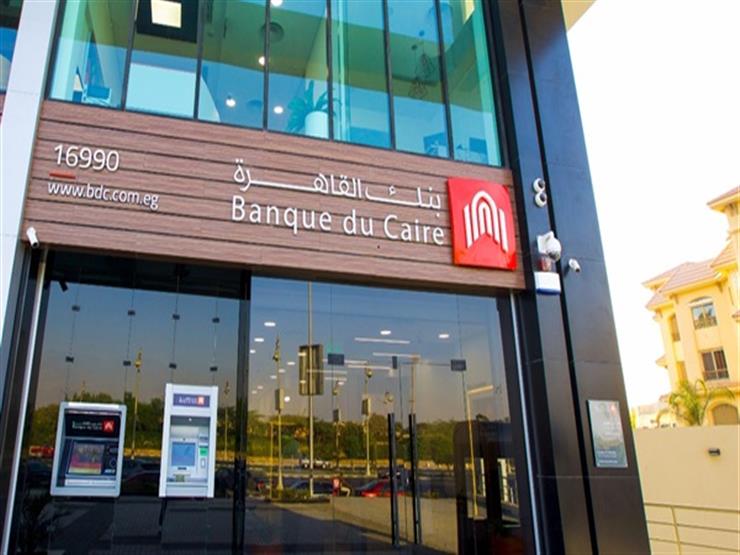
The anticipated launch of Cairo Bank is a significant step in the government's offering program. This launch may reshape the valuation landscape of Egypt's banking sector, as it is expected to significantly impact the valuations of listed banks.
This step gains particular importance amid questions regarding the expected pricing multiples, which could become a benchmark for reevaluating banks. There are multiple scenarios, where high pricing may support higher bank valuations, while conservative pricing could maintain the status quo.
Event Details
Hani Genena, Head of Research at EFG Hermes, stated that Egyptian bank stocks are trading at one of the lowest profitability multiples globally, explaining that this does not reflect weak performance, but is related to profit distribution policies within the sector. Profitability multiples in some banks range from 2 to 5 times, which are low compared to global markets.
Genena added that banks, such as the Commercial International Bank, achieve strong profits nearing 80 billion EGP annually, yet the market does not fully price these profits. A large portion of these profits is reinvested as retained earnings or free shares to bolster capital.
Background & Context
The valuations of Egyptian banks have been significantly affected by economic developments over the past years, including currency fluctuations since 2016 and rising interest rates. These factors have driven banks to adopt conservative policies to enhance capital adequacy.
Currently, the minimum capital adequacy ratio is approximately 12.5%, while banks effectively maintain levels ranging from 20% to 24%, achieved by retaining a significant portion of profits. However, there are signs of a shift in this approach, as some banks have begun to increase cash distributions.
Impact & Consequences
The launch of Cairo Bank is considered a real test of the market's ability to absorb higher valuations for bank stocks. The final valuation has not yet been determined, and the gap between the government's perspective as an issuer and investors' views as buyers remains a critical factor in executing the offering.
Any high pricing for the offering could enhance the repricing of listed bank stocks, while low pricing may not significantly alter the current landscape. The delay in the offering over the past years is primarily due to this disagreement over valuation.
Regional Significance
The banking sector remains one of the most resilient sectors in the Egyptian stock market, contributing to the stability of the main index, EGX30. The sector is expected to lead any upcoming upward wave, with the potential for the index to move to levels of 55,000 then 60,000 points if economic conditions improve.
The stock of the Commercial International Bank remains the main driver of the sector, with opportunities for reevaluating other banks based on their individual circumstances. The Egyptian banking sector shows that it is still trading below its fair value in some cases compared to regional markets, making the launch of Cairo Bank a potential turning point in the market.