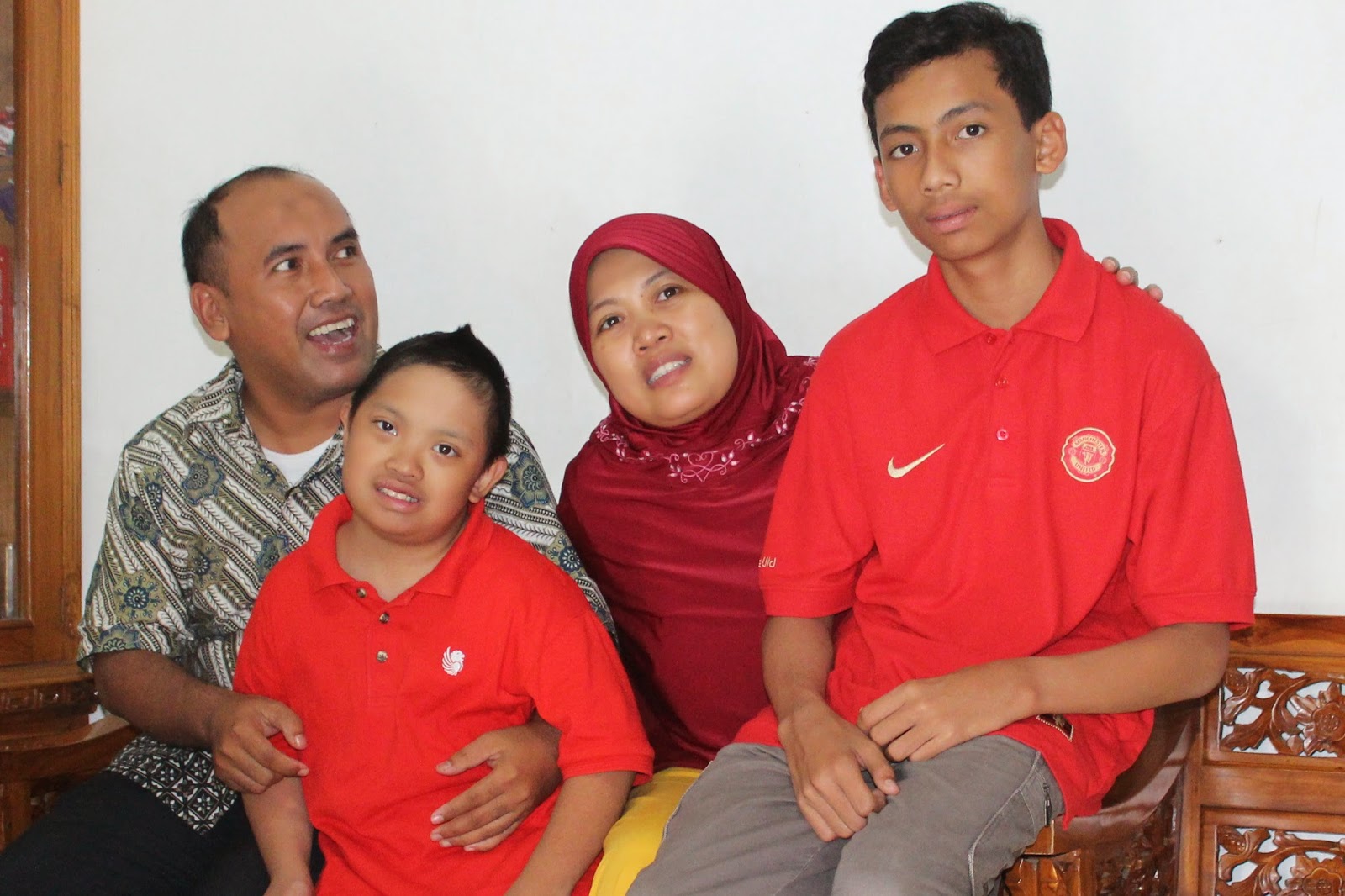
The Public Health Center in Selandek, located in South Jakarta, hosted a unique activity for children with Down syndrome, offering a training program designed to introduce them to the world of work. This initiative coincided with the celebration of World Down Syndrome Day, which falls on Tuesday.
Sunirci Handani, the center's director, explained that the program was developed in response to requests from children who wanted to participate in practical training. However, due to the absence of a specific mechanism for such training, the activity was transformed into an observational program that allows children to learn about the services available at the center.
Event Details
Three children aged between 18 and 20 participated in the program, where they were invited to observe various services provided at the center. The activity was tailored to suit the participants' abilities, lasting four hours and divided into different units.
During the program, participants were guided to observe processes such as registration and administration, with support from the center's staff. The goal of this activity is to empower children to showcase their potential in providing services.
Background & Context
Down syndrome is a genetic condition that affects mental and physical development, requiring special support in various aspects of life. In Indonesia, there are increasing efforts to improve the lives of people with disabilities, including providing educational and employment opportunities.
Statistics indicate that there are approximately 578 individuals with disabilities in the Selandek area, yet only 108 of them are registered in the government support system. This highlights the need for more initiatives that support this segment of society.
Impact & Consequences
This program represents a first step towards integrating children with Down syndrome into society, as it helps boost their self-confidence and provides them with an opportunity to interact with the outside world. Such programs can also open new avenues for community participation.
These initiatives face challenges, particularly in communication, requiring understanding and patience from program facilitators. Nonetheless, participants demonstrated remarkable cooperation during the activity, reflecting their desire to learn and grow.
Regional Significance
These initiatives serve as a model for the Arab world, where they can contribute to improving the lives of people with disabilities. It is essential for Arab countries to adopt similar programs to promote the integration of this group into society.
At the conclusion of the activity, one participant, Disvita Anisa, expressed her happiness with her involvement, indicating her hope to become a caregiver in the future to assist children. These experiences reflect hope and optimism in achieving their dreams.