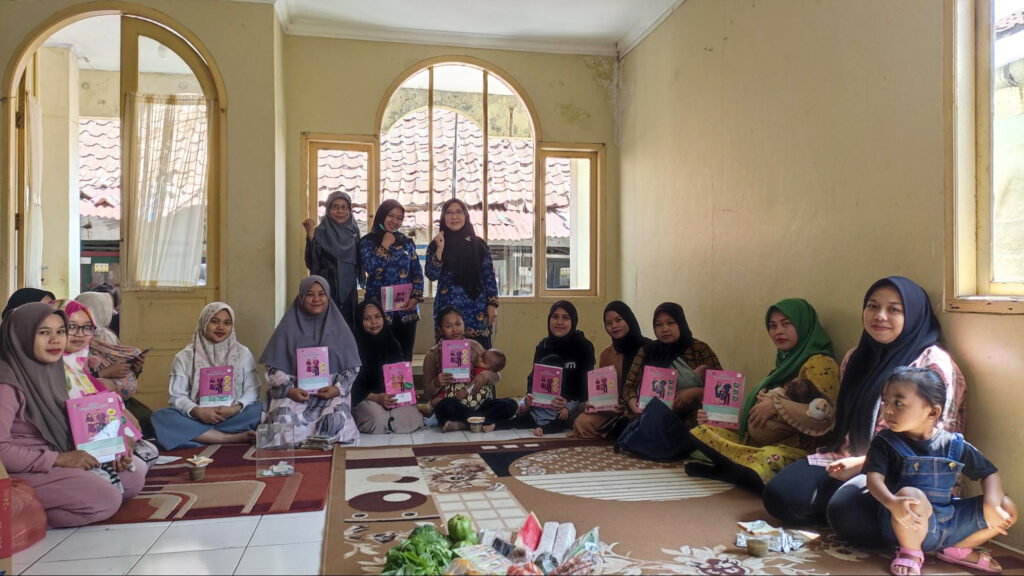
The government of Kolaka district in Indonesia has launched a new program called 'Kolaka Keren', which aims to combat the phenomenon of stunting among children. This program is part of the government's efforts to reduce the prevalence of this issue that significantly impacts children's health and development. The program was announced during a press conference held in Kolaka, where officials emphasized the importance of focusing on at-risk families.
Mohammad Aris, head of the Population and Family Planning Agency in Kolaka, stated that the program relies on accurate data collected through a 'by name by address' system, which allows for better identification of families most at risk of stunting. He noted that this data includes information on nutrition, health, and living standards, facilitating early intervention.
Event Details
According to statistics, there are approximately 3,947 families in Kolaka classified as being at risk of stunting, spread across 12 districts. These districts include: Latambaga, Watubangga, Kolaka, among others. The program aims to provide support and assistance to these families by offering the necessary information and resources to improve their living conditions.
The program is based on six key indicators, including the availability of sanitary toilets, access to clean water, and compliance with birth protocols. The program also faces other challenges such as a low exclusive breastfeeding rate of 40% and a high early marriage rate of 30%.
Background & Context
Stunting is considered one of the major health issues affecting many countries, including Indonesia. Reports indicate that stunting affects children's growth and increases the risk of diseases. In recent years, the Indonesian government has taken several steps to address this phenomenon, including awareness and health education programs.
Addressing the issue of stunting requires a collaborative effort among various sectors, including health, education, and social welfare. Through the new program, the government aims to enhance cooperation among these sectors to ensure effective outcomes.
Impact & Consequences
The 'Kolaka Keren' program represents an important step towards improving children's health in Kolaka. By focusing on at-risk families, the program can significantly contribute to reducing stunting rates. Additionally, the use of accurate data will enable the government to make informed decisions regarding resource allocation and better target support.
If the program succeeds in achieving its objectives, it could become a model to be emulated in other regions of Indonesia, contributing to improved child health nationwide. Furthermore, such programs may inspire other countries in the region to tackle similar challenges.
Regional Significance
Nutrition and public health issues are also challenges faced by many Arab countries. Despite differing contexts, stunting and malnutrition represent common issues that require effective responses. Arab countries can benefit from successful experiences like the 'Kolaka Keren' program to develop local strategies to address these challenges.
In conclusion, the 'Kolaka Keren' program exemplifies how accurate data and inter-sectoral collaboration can contribute to improving children's health and reducing stunting rates. The success of this program may inspire similar efforts in other areas, reflecting the importance of collective action in addressing health challenges.