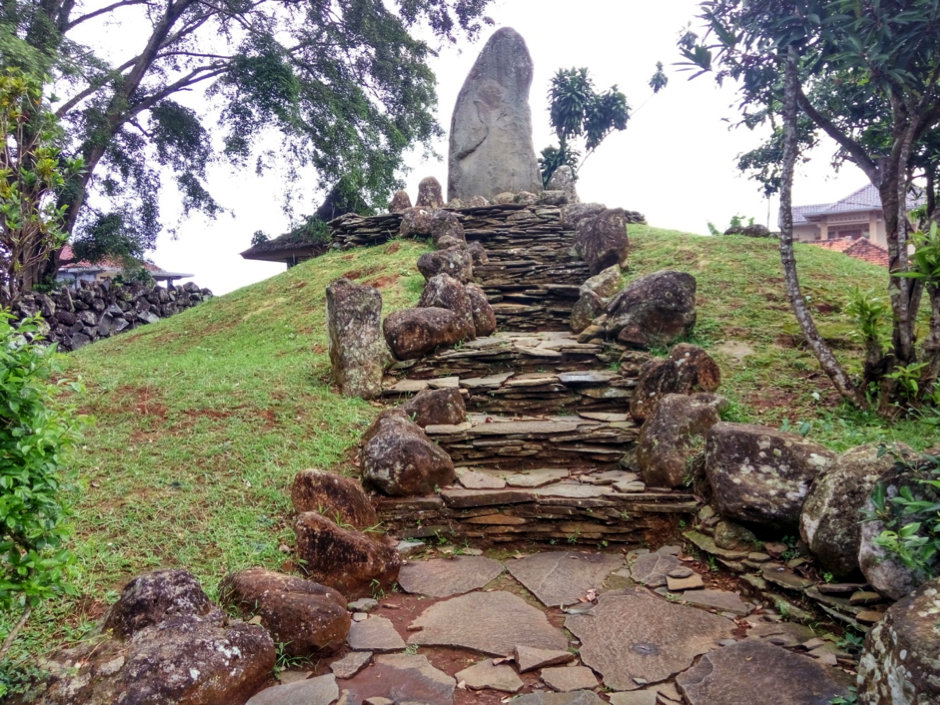
Indonesian Minister of Culture Fadli Zon announced the launch of a project to update the Cibari Museum in Kuningan, West Java, in a move aimed at enhancing national culture and improving visitor experiences. This project is part of the Indonesian government's efforts to achieve a significant transformation in the museum sector, striving to make the museum a lively center for interaction with history.
During the inauguration ceremony, Zon emphasized the importance of museums as educational and cultural spaces, pointing out the need to transform them from mere storage places for exhibits into vibrant centers that foster dialogue and interaction between visitors and their history. He explained that the museum should be a place of inspiration and learning, where visitors can feel the depth of their history and connect with their cultural roots.
Event Details
The plan to update the Cibari Museum includes improving the display of exhibits and providing interactive experiences for visitors. The importance of using digital technology in presenting history was also highlighted, making information more interactive and appealing to visitors, especially from younger generations. With this, the project organizers hope to attract more visitors and enhance cultural awareness.
The museum, located in the Cibari area, is considered one of the significant historical sites in Indonesia, housing artifacts dating back to prehistoric times. This museum is part of the national identity, offering a glimpse into the country's history and culture.
Background & Context
Historically, museums in Indonesia have suffered from a lack of attention and funding, affecting their ability to provide rich educational experiences. However, in recent years, the Indonesian government has begun to reassess the role of museums, launching several initiatives aimed at improving and renewing these cultural institutions. The Cibari Museum update project is part of these broader efforts.
The Indonesian government aims to enhance cultural tourism by improving museums, contributing to local economic support and fostering national pride. These steps are expected to serve as a model for other museums across the country.
Impact & Consequences
The update of the Cibari Museum is expected to increase cultural awareness among youth and boost visitor numbers, contributing to the enhancement of cultural tourism in Indonesia. Additionally, the use of digital technology in presenting exhibits will make information more interactive and engaging, helping visitors to better understand history.
Furthermore, this project may encourage more collaboration between museums, universities, and researchers, enhancing the quality of scientific research in the fields of history and culture. Thus, the update of the Cibari Museum could have a positive impact on the community as a whole.
Regional Significance
Indonesia's experience in updating its museums can serve as a model for Arab countries seeking to enhance their culture and heritage. Many Arab nations possess rich histories and diverse cultures, but they require effective strategies to improve visitor experiences in their museums.
Enhancing museums as vibrant places for cultural interaction can contribute to strengthening national identity and cultural pride in Arab countries, thereby boosting cultural tourism and attracting visitors from around the world.