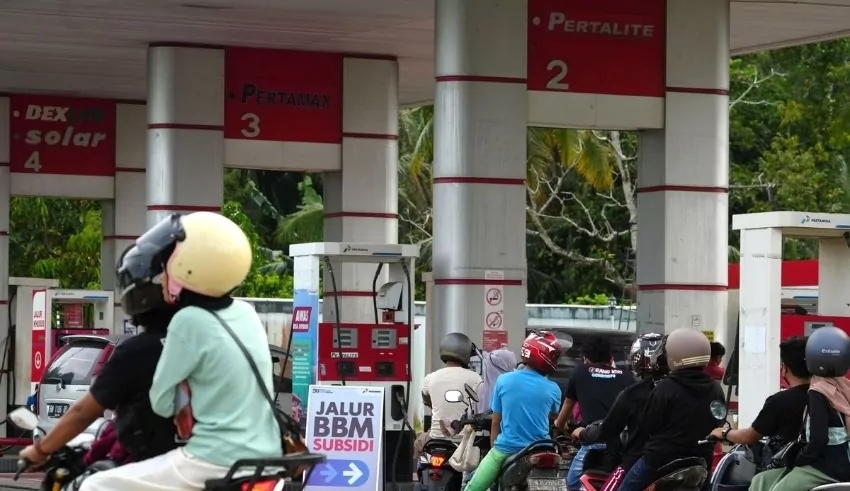
The government has announced the launch of a rapid loan program with an interest rate of 3.80% to support small and medium-sized enterprises (SMEs), in light of the significant rise in fuel prices that negatively impacts many economic sectors. The program targets businesses in the fields of transportation, agriculture, and fishing, where fuel expenses constitute at least 5% of their revenues.
This program allows businesses to obtain loans ranging from 5,000 to 50,000 euros without the need to provide guarantees, making it easier for these companies to secure the necessary liquidity to face current financial challenges.
Event Details
This move comes at a time when small and medium-sized enterprises are experiencing increasing financial pressures due to rising fuel prices, which have directly affected operational costs. According to the government, this program will help alleviate the financial burden on these businesses, contributing to their sustainability and continued presence in the market.
This measure is part of a broader set of actions taken by the government to address ongoing economic crises, which also includes additional support for the most affected sectors.
Background & Context
Historically, fuel prices have experienced significant fluctuations due to geopolitical crises and changes in global oil markets. These fluctuations have had negative impacts on the local economy, especially on small and medium-sized enterprises that heavily rely on fuel for their daily operations.
In recent years, governments have intensified their efforts to support these businesses, as they are considered the backbone of the local economy. However, the challenges faced by these companies require a swift and effective response from the government.
Impact & Consequences
This program is expected to improve the financial liquidity of small and medium-sized enterprises, which may lead to greater stability in the market. Additionally, this support could help preserve jobs and reduce unemployment rates, particularly in the most affected sectors.
Nevertheless, the biggest challenge remains how to manage these loans and ensure their effective use. There is a need for oversight mechanisms to ensure that these funds are used to support operational activities and not for other purposes.
Regional Significance
This step serves as a model for other countries in the Arab region facing similar challenges. The rise in fuel prices affects all nations and increases the need for effective support strategies for small and medium-sized enterprises.
The success of this program may encourage other countries to adopt similar policies, contributing to enhanced economic stability across the region as a whole.
In conclusion, this program represents a positive step towards supporting small and medium-sized enterprises in facing economic challenges, reflecting the government's commitment to supporting the local economy and stimulating growth.