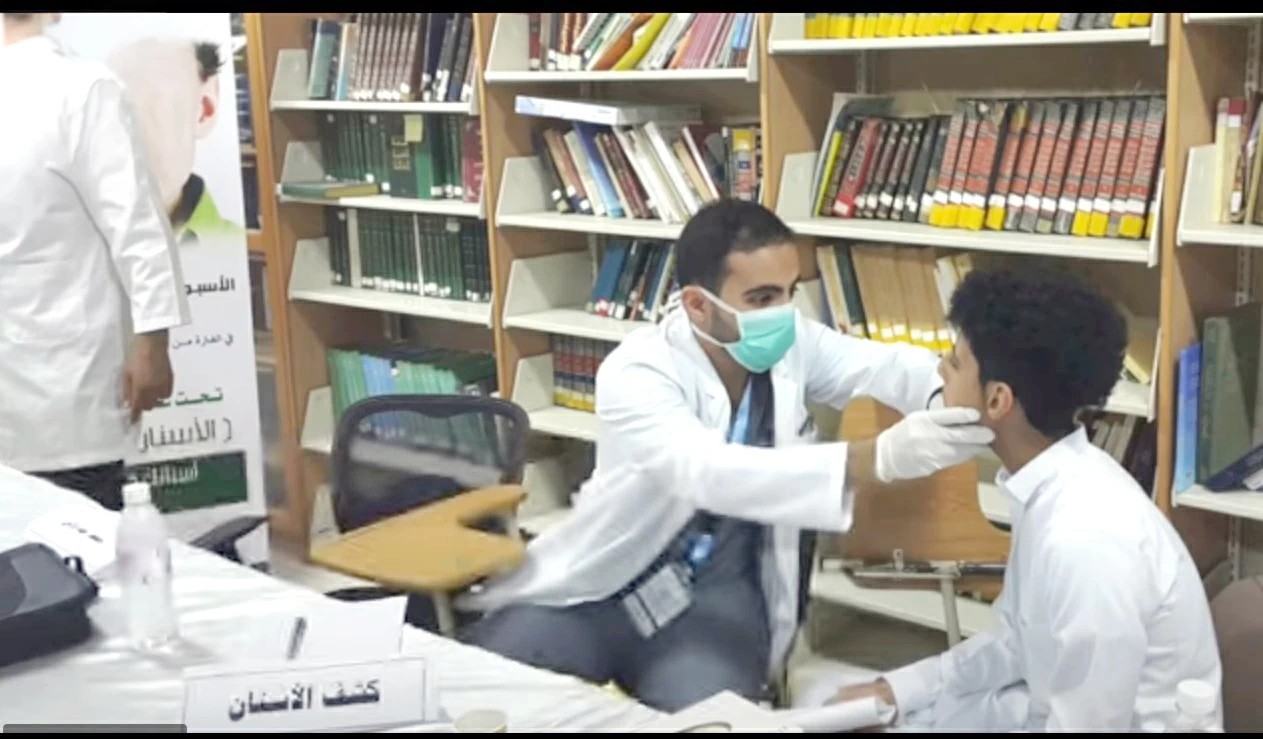
The Saudi Ministry of Education has officially launched the second phase of the School First Aid Program, which aims to train the school community, including educational and administrative staff, on the "Ambassador of Life" program in basic first aid. This program is part of the ministry's efforts to contribute to preserving life and saving lives, as the decision to provide first aid within schools has been implemented through the preparation of central trainers in educational departments.
The second phase of the program includes training trainers who hold a trainer's license for the "Ambassador of Life" program from the Saudi Red Crescent Authority. Additionally, necessary support will be provided during the training of these trainers for members of the school community, thereby enhancing prevention against health risks and aiming to achieve a vibrant and safe community.
Event Details
The second phase of the School First Aid Program will continue until mid-2028, with the ministry aiming to empower the school community to lead a healthy and fulfilling life. The program includes training educational and administrative staff on first aid knowledge and skills, thereby achieving the school health direction in sustaining the provision of first aid within the school community.
The second phase encompasses educational departments in several regions, including Riyadh, the Eastern Province, Asir, Jeddah, Makkah, Madinah, Jazan, Qassim, Al-Ahsa, Taif, Tabuk, Hail, Al-Jawf, Najran, and the Northern Borders region. This expansion reflects the ministry's commitment to enhancing health safety in all schools.
Background & Context
This initiative comes as part of the Kingdom's Vision 2030, which aims to improve the quality of education and enhance public health. First aid is considered an essential part of health education, as it prepares students to face emergencies and accidents that may occur in schools. Studies have shown that education in first aid can reduce fatalities and injuries in emergencies.
Historically, Saudi Arabia has witnessed several initiatives in health and education, reflecting the government's interest in developing the educational system and providing a safe environment for students. The School First Aid Program is part of these ongoing efforts.
Impact & Consequences
The School First Aid Program is expected to contribute to improving health awareness among students and teachers, thereby enhancing the culture of safety in schools. Additionally, training educational and administrative staff in first aid can have a positive impact on the community as a whole, as this awareness can be transferred to families and local communities.
Moreover, having qualified trainers in schools enhances educational institutions' ability to deal with emergency situations, thereby reducing health risks that students may face. This program represents an important step towards achieving a safe and healthy educational environment.
Regional Significance
This initiative serves as a model for other Arab countries, as it can contribute to promoting a culture of first aid in schools. With the increase in accidents and emergencies in communities, it becomes essential for students and teachers to possess the necessary knowledge and skills to handle these situations.
This initiative may inspire other countries in the region to adopt similar programs, thereby contributing to improving public health and enhancing safety in schools. Investing in health education is an investment in the future of upcoming generations.