The Indonesian Ministry of Social Affairs has announced plans to launch three new popular schools in South Kalimantan by July 2026, aiming to enhance education in the region. This initiative is part of the government's efforts to accelerate the development of educational infrastructure.
Rivki Hakim, the head of the Integrated People's School 9 in Banjarbaru, stated that all new students for the 2026 academic year are expected to move into the new buildings at the start of the school year. This development reflects the government's commitment to providing a suitable educational environment for students.
Details of the Initiative
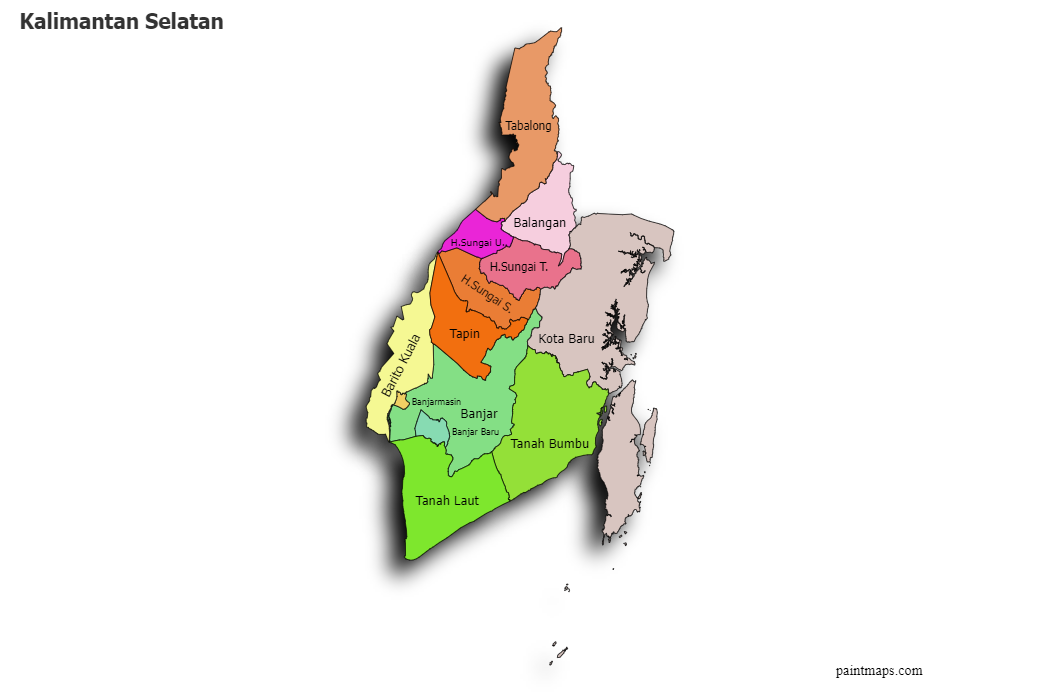
The Ministry of Social Affairs targets the construction of schools in three areas: Banjarbaru, Barito Kuala, and Tanah Bumbu, as part of the development of popular schools in South Kalimantan. Rivki noted that current construction progress is about 38%, with ongoing efforts to expedite work to ensure timely completion.
The projects face challenges related to readiness for welcoming students at the start of the academic year, but the government remains optimistic about completing the project on schedule. Construction is expected to be completed by June 20, 2026, allowing ample time for preparations for the launch.
Background & Context
This initiative is part of the Indonesian government's efforts to improve education levels in remote areas, where many communities suffer from a lack of educational facilities. Historically, South Kalimantan has faced challenges in providing quality education, prompting the government to take serious steps to improve the situation.
The government seeks to prioritize education, as quality education is fundamental to sustainable development. By establishing new schools, the government hopes to provide better educational opportunities for children in underprivileged areas.
Impact & Consequences
This project is expected to have a significant positive impact on the local community, as it will provide a conducive educational environment for students. Additionally, the presence of new schools will help reduce the educational gap between urban and rural areas.
Furthermore, the support and oversight of the Indonesian parliament are vital in expediting the construction process and ensuring the effective use of the new facilities. Through collaboration between ministries, positive outcomes in improving education can be achieved.
Regional Significance
This initiative serves as a model for Arab countries facing similar challenges in education. Arab nations can benefit from Indonesian experiences in improving education in remote areas and enhancing educational infrastructure.
Given the challenges many Arab countries face in education, such initiatives could motivate governments to invest in education and provide a better learning environment for children.