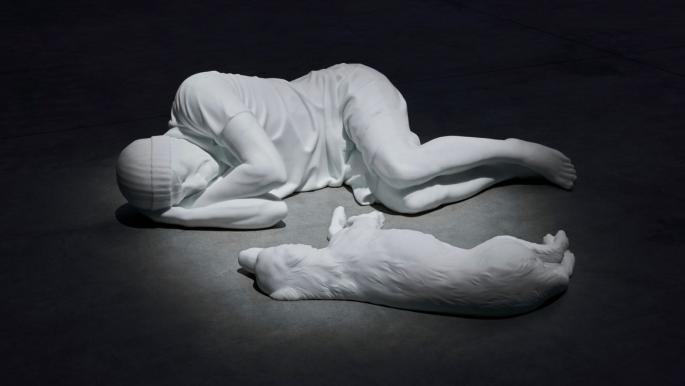
Italian artist Maurizio Cattelan has launched his new art project 'The Ninth Hour', which aims to empower individuals to confess their sins via phone or WhatsApp. The project includes a symbolic art experience that will be broadcast live on the 23rd of this month, making this event a call for self-reflection and accountability.
This project comes at a time when there is an increasing need for spaces to express the complex emotions and thoughts individuals face in their daily lives. By utilizing modern technology, Cattelan seeks to merge art with daily life, providing the audience with a unique opportunity to interact with the artwork directly.
Event Details
Participants will be able to send their confessions via phone or WhatsApp, where these confessions will be collected and displayed in a live broadcast, creating an interactive and impactful experience. This project is part of Cattelan's trend towards using art as a means of communication and interaction with the audience, as he aims to stimulate discussions on topics such as guilt, forgiveness, and accountability.
The event is expected to attract a wide audience, as Cattelan is considered one of the most prominent contemporary artists, known for his controversial works that address social and political issues. This project embodies his artistic vision that seeks to transcend traditional boundaries of art.
Background & Context
Maurizio Cattelan is an Italian artist known for his unique style that blends irony with seriousness. Many of his previous works have sparked widespread controversy, such as the statue 'The Boy Who Smiles' which was displayed in global exhibitions. Cattelan is regarded as one of the leading figures in contemporary art, constantly challenging traditional concepts of art.
The idea behind 'The Ninth Hour' project comes in a global context characterized by increasing psychological and social pressures, where many are seeking ways to express their feelings and thoughts. This project serves as an opportunity for individuals to connect with themselves and others, reflecting the importance of art as a means of expressing human issues.
Impact & Consequences
The 'Ninth Hour' project could have a significant impact on how individuals understand sin and forgiveness. By providing a platform for confession, this project may contribute to enhancing dialogue on topics such as guilt and remorse, helping individuals process their feelings in a healthy manner.
Furthermore, this project could inspire other artists to explore new ways of interacting with the audience, thereby enhancing the role of art in society as a means of change and expression. This type of project is a step towards integrating art into daily life, emphasizing the importance of the arts in addressing social and psychological issues.
Regional Significance
In the Arab region, art is considered a powerful means of expressing social and cultural issues. Cattelan's project could inspire Arab artists to explore similar themes, enhancing dialogue around human issues that concern society. This project could open new horizons for the arts in the Arab world, where acknowledging sins and emotions is an important topic in Arab culture.
In conclusion, 'The Ninth Hour' project represents a unique opportunity for the audience to engage with art in a new and innovative way. By merging technology with art, Cattelan aims to create an interactive experience that stimulates thought and enhances dialogue around human issues.