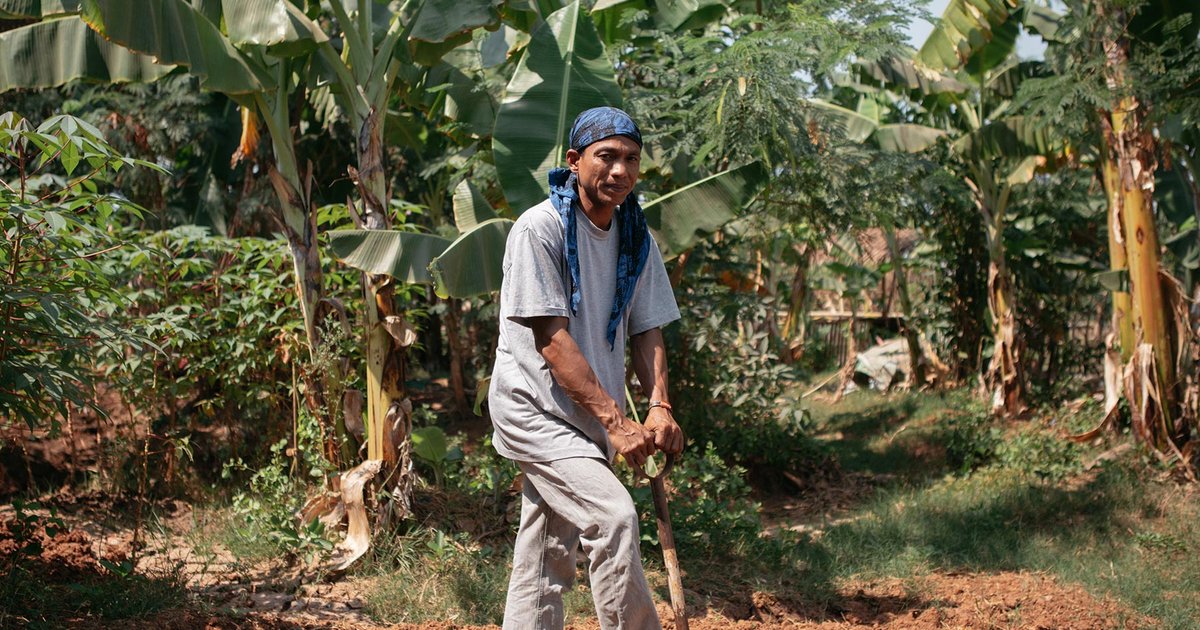
The South Jakarta government, in collaboration with the Family Empowerment and Strengthening Team, has announced the organization of an agricultural harvest campaign at 177 locations as part of its efforts to enhance food security in the area. This campaign was carried out on Monday, where crops were collected from various urban agricultural sites.
Diah Anwar, head of the Family Empowerment and Strengthening Team in South Jakarta, stated that this event is held quarterly, starting from the planting phase to the harvest. She confirmed that all participating sites in the campaign experienced a successful harvest.
Event Details
The campaign took place at multiple sites, including public gardens, farmer groups, and sustainable farming areas across 65 neighborhoods. The campaign resulted in the harvest of approximately 560 kilograms of chili peppers, 300 kilograms of eggplants, 325 kilograms of tomatoes, as well as 800 kilograms of vegetables such as bok choy, spinach, and lettuce, and 500 kilograms of fruits like berries, oranges, and guavas.
Additionally, 780 kilograms of Nile fish were harvested from the farming ponds. Diah Anwar noted that part of this harvest is part of the "Million Rare Plants" program, which aims to preserve plants that are on the brink of extinction.
Background & Context
Urban agriculture is considered an effective solution to address food challenges in major cities. Amid climate change and population growth, many cities around the world, including Jakarta, are striving to enhance local food production. Studies have shown that urban agriculture can help reduce reliance on food imports and promote self-sufficiency.
Historically, Indonesia, like many other countries, has faced challenges in food security, prompting the government to take serious steps to enhance local agriculture. This campaign is part of a broader strategy aimed at improving livelihoods in urban areas.
Impact & Consequences
The government hopes that through these initiatives, it can help reduce inflation rates, especially during economic crises. Sa'id Ali, assistant for economy and development in South Jakarta, confirmed that increasing the number of harvest sites aims to ensure that there is no food shortage among the city's residents.
Enhancing urban agriculture is not only a means to improve food security but also an opportunity to raise environmental awareness and encourage local communities to engage in sustainable farming. These initiatives also strengthen social ties among residents.
Regional Significance
Arab countries also face similar challenges in food security, as many nations rely on imports to meet their food needs. Jakarta's experience could serve as a model for Arab countries seeking to enhance local agriculture. By adopting similar strategies, Arab nations can reduce dependence on imports and promote self-sufficiency.
In conclusion, the South Jakarta campaign highlights the importance of urban agriculture as a sustainable solution to food challenges. By enhancing local production, major cities can ensure their food security and achieve sustainable development.