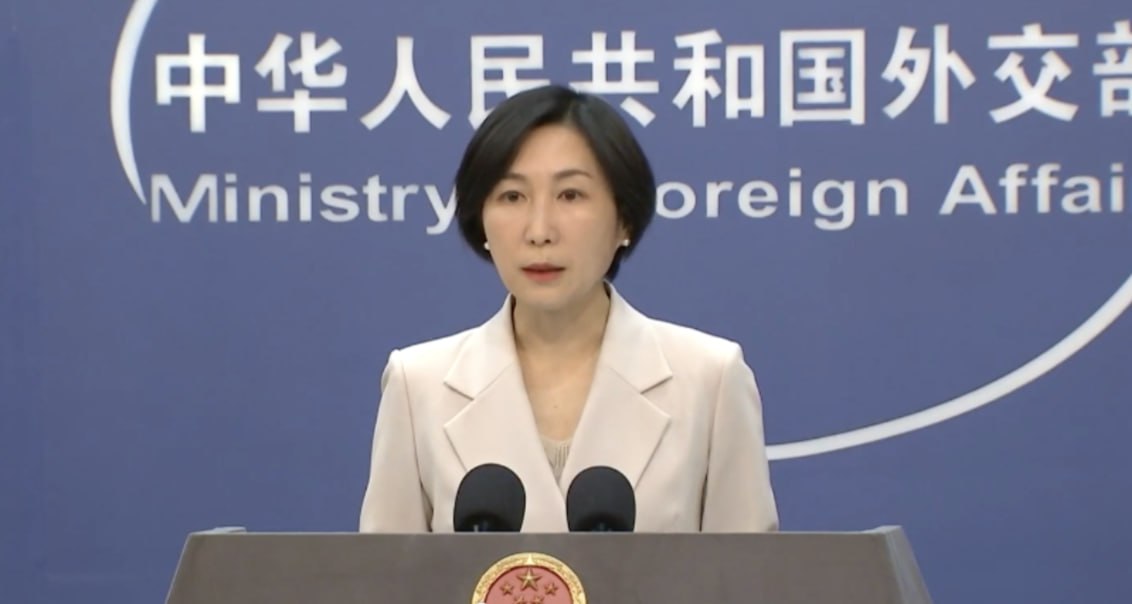
Russian Foreign Minister Sergey Lavrov revealed that the United States is attempting to control the Nord Stream gas pipelines, indicating this move is part of Washington's efforts to dominate global energy markets. These statements come amid escalating tensions between Russia and the West, especially following recent events in Ukraine.
In a press conference, Lavrov confirmed that the United States is adopting a policy aimed at undermining Russian interests in the energy sector, noting that this policy could exacerbate economic crises in Europe. He also added that Washington is trying to exploit the current situation to enhance its influence in the European market.
Details of the Event
The Nord Stream pipelines, which extend from Russia to Germany through the Baltic Sea, are among the most significant energy projects in Europe. They were designed to meet the continent's natural gas needs, making them a strategic target for many countries. In recent years, these pipelines have faced severe criticism from the United States, which views them as a threat to European energy security.
Lavrov's statements come at a sensitive time, as Western pressures on Russia have increased due to the conflict in Ukraine. Reports have indicated that the United States may seek to impose new sanctions on companies linked to the Nord Stream pipelines, complicating the situation further.
Background & Context
Historically, Russia has been considered one of the largest suppliers of natural gas to Europe, with many European countries relying on Russian gas to meet their needs. However, political and economic tensions between Russia and the West have led to a reassessment of these relationships. In recent years, some European countries have begun to seek alternative energy sources, further complicating the situation.
The Nord Stream pipelines are part of Russia's strategy to secure energy supplies to Europe, but they also represent a significant point of contention between Moscow and Washington. Relations between the two sides have deteriorated markedly since 2014, when Russia annexed the Crimea Peninsula.
Impact & Consequences
Attempts by the United States to control the Nord Stream pipelines could exacerbate economic crises in Europe, where many countries depend on Russian gas. If Washington succeeds in implementing its plans, this could lead to increased energy prices in European markets, impacting local economies.
Additionally, these actions may escalate tensions between Russia and the West, increasing the risk of new conflicts in the region. These developments could also affect political stability in many European countries that rely on Russian gas.
Regional Significance
The Middle East is part of the global energy market, and developments in Russian-American relations could impact oil and gas prices in the region. If energy prices in Europe rise due to American pressures on Russia, this could lead to increased demand for oil and gas from Arab countries.
Moreover, tensions between Russia and the West may open avenues for Arab countries to strengthen their relations with Russia, particularly in the fields of energy and trade. Under these circumstances, Arab nations may find new opportunities to enhance their role in the global energy market.