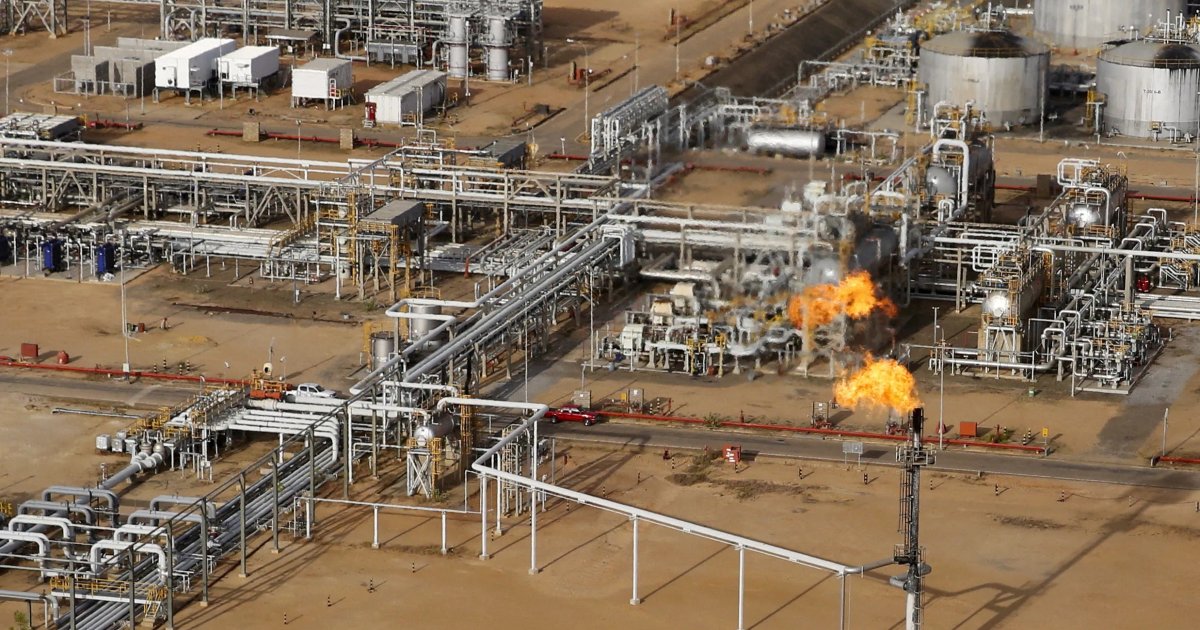
Russian Foreign Minister Sergey Lavrov confirmed that there is a close connection between the plans for regime change in both Iran and Venezuela and the control of oil and gas resources. Lavrov pointed out that these plans reflect the interests of major powers seeking to dominate energy sources worldwide.
In statements made during a press conference, Lavrov explained that the countries aiming to change regimes in these nations are not concerned with the interests of the people but are pursuing economic and strategic objectives. He asserted that these policies lead to destabilization in the region and exacerbate humanitarian crises.
Details of the Event
Lavrov's remarks come at a time when international relations are experiencing increasing tensions, particularly with the rise of Western pressures on Iran and Venezuela. Iran is facing severe economic sanctions due to its nuclear program, while Venezuela is suffering from a crippling economic crisis that has led to a deterioration in living conditions.
Lavrov added that Western powers employ various methods, including sanctions and psychological warfare, to influence the ruling regimes in these countries. He noted that these strategies aim to weaken the targeted nations and achieve long-term political goals.
Background & Context
Historically, Iran and Venezuela have been resource-rich countries, with Iran possessing vast reserves of oil and gas, while Venezuela is considered one of the largest oil-producing nations in the world. However, these riches have not resolved the economic and social crises faced by both countries.
Over the years, Iran and Venezuela have experienced multiple foreign interventions, as the United States and its allies have sought to influence domestic policies by supporting the opposition or imposing economic sanctions. These interventions are often justified under the pretext of supporting democracy and human rights, but many observers believe they ultimately aim to control resources.
Impact & Consequences
Lavrov's statements underscore that geopolitical conflicts in the region are not only about controlling governments but also about managing energy sources. This complexity makes the situations in Iran and Venezuela more intricate, as any regime change could exacerbate humanitarian and economic crises.
Furthermore, these conditions could impact global energy markets, as any disruption in oil production from these two countries could lead to rising prices and increased tensions in the markets. Therefore, stability in Iran and Venezuela has direct implications for the global economy.
Regional Significance
The Arab region is part of these dynamics, as many Arab countries rely on oil as a primary source of revenue. Thus, any changes in global oil markets resulting from crises in Iran and Venezuela could significantly affect the economies of these nations.
Moreover, the crises in Iran and Venezuela could lead to increased regional tensions, as neighboring countries may be directly affected by the repercussions of these crises, whether through the influx of refugees or through political tensions.
In conclusion, the situations in Iran and Venezuela remain under international scrutiny, as any new developments could impact regional and international stability. It appears that the struggle for natural resources will continue to shape the foreign policies of major powers.