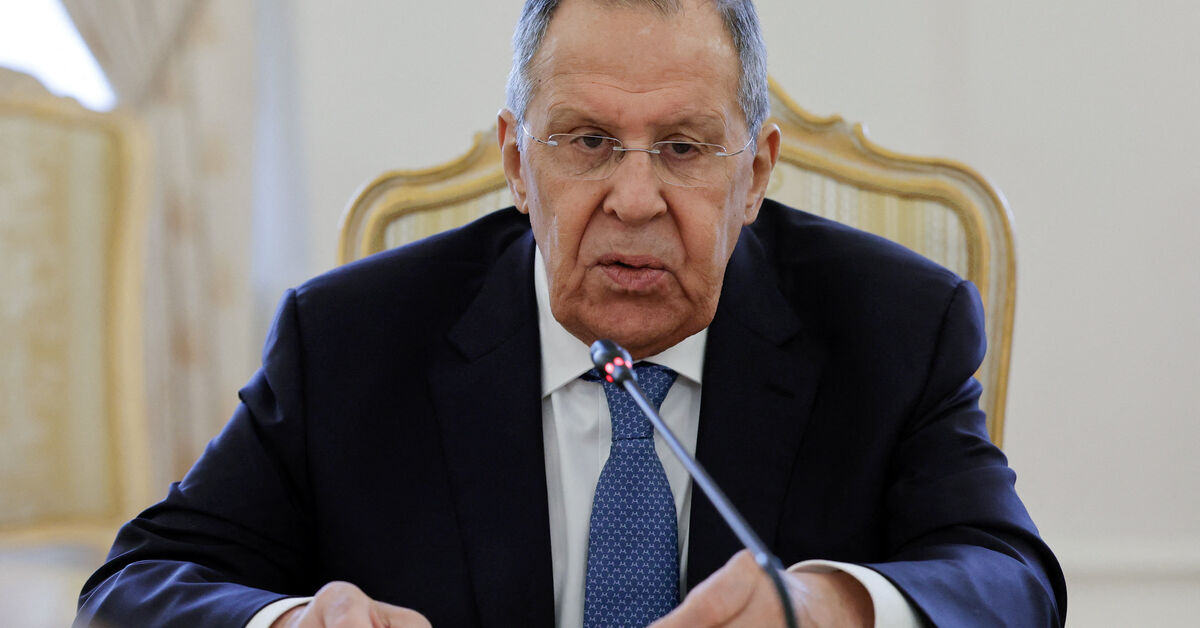
In a striking statement, Russian Foreign Minister Sergei Lavrov confirmed that the United States' plans to change regimes in both Iran and Venezuela are fundamentally aimed at controlling oil and gas resources. This revelation came during a press conference in Moscow, where Lavrov discussed the geopolitical dimensions of these plans.
Lavrov added that the United States and Israel do not wish to achieve any form of normalization between Iran and its neighbors, reflecting increasing tensions in the region. He also warned that the ongoing conflict in the Middle East could escalate into a broader confrontation, threatening both regional and global stability.
Details of the Event
Lavrov's statements come at a time when international relations are experiencing heightened tensions, especially between major powers like the United States and Russia. Moscow has viewed American actions in the Middle East as aimed at enhancing control over natural resources, aligning with the historical policies of the United States in the region.
Furthermore, Lavrov pointed out that these policies are not limited to Iran and Venezuela but also encompass other resource-rich countries, reflecting a comprehensive strategy for dominance over global energy markets.
Background & Context
Historically, the United States has adopted regime change policies in several countries, starting with Iraq in 2003 and extending to Libya in 2011. These policies have often been linked to economic interests, particularly in the fields of oil and gas. In the case of Iran, the US aims to diminish Tehran's influence in the region, while in Venezuela, it seeks to undermine the socialist government controlling vast oil resources.
Both Iran and Venezuela are considered resource-rich nations, with Iran possessing significant oil and gas reserves, while Venezuela is one of the largest oil-producing countries in the world. This makes controlling these nations a strategic objective for the United States.
Impact & Consequences
American policies could escalate tensions in the region, potentially provoking reactions from the targeted countries and their allies. Additionally, any escalation in conflict may affect global oil prices, which would have repercussions on global economies.
Moreover, the rise of conflicts in the Middle East could lead to an influx of refugees and increased instability in neighboring countries, placing additional pressures on governments in the region.
Regional Significance
For Arab countries, the escalation of conflict between the United States and Iran could directly impact security and stability. Arab nations sharing borders with Iran may find themselves in a sensitive position, vulnerable to military or economic tensions.
Furthermore, any changes in US policies towards Venezuela could influence oil markets, reflecting on energy prices in Arab countries that heavily rely on oil exports.
In conclusion, US policies in the Middle East remain a subject of extensive debate, as economic interests intertwine with geopolitical dimensions, making it challenging to predict the future of the region.