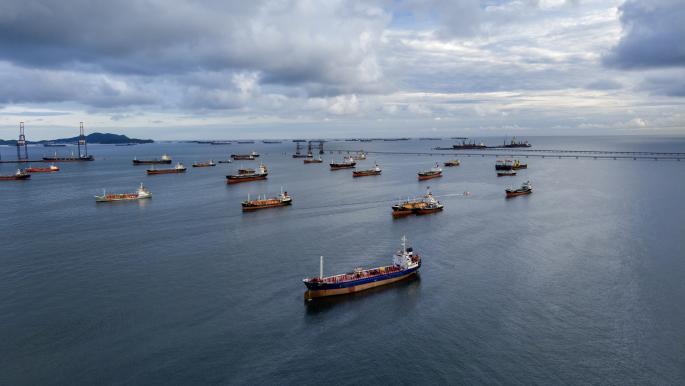
Leaks regarding a draft interim agreement between the United States and Iran have ignited a wave of optimism in energy markets, resulting in a sharp decline in oil prices. This drop reflects investors' hopes for the potential restoration of stability in the Strait of Hormuz, one of the world's most crucial maritime passages.
Expectations are rising that this agreement could help ease tensions between the two countries, potentially leading to an increase in oil flow through the strait. Oil prices have seen a notable decrease of up to 3% in global markets, driven by the growing demand for oil amid positive news.
Details of the Event
The leaks pertain to a draft agreement aimed at easing sanctions imposed on Iran, which could pave the way for the resumption of Iranian oil exports. These developments come at a sensitive time, as the world seeks stability in energy prices amid current market fluctuations.
The Strait of Hormuz is a vital strategic point, through which approximately 20% of total global oil exports pass. Any improvement in the security situation in this region could significantly impact global energy markets.
Background & Context
Historically, US-Iranian relations have experienced increasing tensions since the United States withdrew from the nuclear agreement in 2018. Since then, Washington has imposed strict sanctions on Tehran, affecting its oil exports and leading to rising oil prices in global markets.
These leaks occur at a time when the world is witnessing a rise in energy prices due to geopolitical crises and the repercussions of the COVID-19 pandemic. Therefore, any progress in negotiations between the United States and Iran could have significant implications for market stability.
Impact & Consequences
If a final agreement is reached, it is expected to lead to a substantial increase in Iranian oil exports, which could contribute to the stabilization of global prices. This could also help alleviate economic pressures on oil-importing countries, especially those facing rising energy costs.
On the other hand, other countries in the region may face new challenges amid increased competition in oil markets. Additionally, any potential escalation of tensions between the United States and Iran could lead to new price fluctuations.
Regional Significance
Arab oil-producing countries, such as Saudi Arabia and the UAE, are among the biggest beneficiaries of stable oil prices. If an agreement is reached, it could enhance economic cooperation among oil-producing countries in the region.
However, these countries must remain cautious of any unexpected developments that could affect market stability. Ongoing tensions in the region may hinder any efforts to achieve stability.
In conclusion, this development represents a new opportunity for energy markets, but it requires close monitoring of the political and economic developments associated with it. The stability of oil prices will have far-reaching effects on the global economy and particularly on Arab countries.