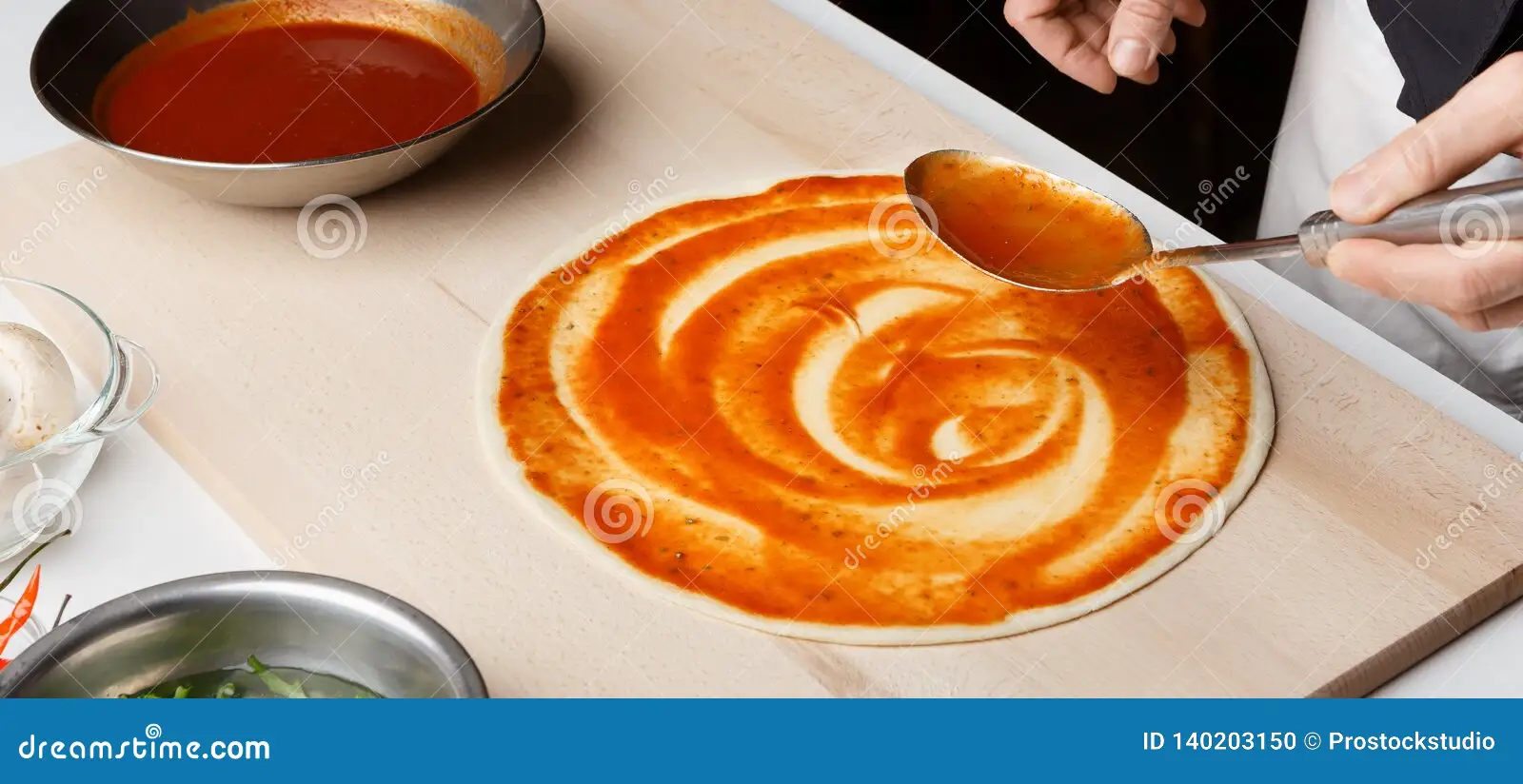
Italian pizza sauce is a fundamental element that adds a distinctive flavor to this beloved dish. This article presents a simple method for preparing this sauce at home using readily available ingredients.
The Italian pizza sauce is characterized by its rich and concentrated flavor, relying on natural ingredients that reflect Italian cooking traditions. This sauce can be made at home using accessible ingredients, making it an ideal choice for cooking enthusiasts.
Preparation Details
To prepare Italian pizza sauce, you need essential ingredients such as tomatoes, olive oil, garlic, and herbs like oregano and basil. Fresh or canned tomatoes can be used, with many preferring canned tomatoes for a more concentrated flavor.
The preparation process begins by heating olive oil in a pan over medium heat, then adding minced garlic and frying until golden. After that, chopped or canned tomatoes are added, stirring well. The mixture is left to simmer for about 20 minutes, until the sauce thickens and becomes rich in flavors.
Background & Context
The origins of pizza trace back to Italy, where it is considered a traditional dish that has gained worldwide fame. Over time, pizza recipes have evolved to include a variety of ingredients and sauces, but the traditional Italian sauce remains the most popular.
The sauce is an integral part of the pizza-eating experience, enhancing flavors and adding a unique character to the dish. In recent years, the popularity of pizza has increased both locally and globally, prompting many chefs to innovate new recipes that cater to diverse tastes.
Impact & Consequences
Italian pizza sauce is a symbol of Italian culinary culture, reflecting cooking traditions and a focus on natural ingredients. Learning how to prepare this sauce at home can encourage the exploration of more traditional Italian recipes.
Moreover, using fresh and local ingredients can contribute to overall health, as homemade foods are generally more beneficial compared to ready-made options.
Regional Significance
Pizza is a beloved dish in many Arab countries, where it has been adopted and adapted with local ingredients. Learning how to prepare Italian pizza sauce can enhance cooking culture in the region and encourage the exchange of recipes and culinary traditions.
In conclusion, Italian pizza sauce represents more than just an ingredient; it is part of a rich cooking experience that reflects Italian cultural heritage and contributes to mutual understanding between cultures.