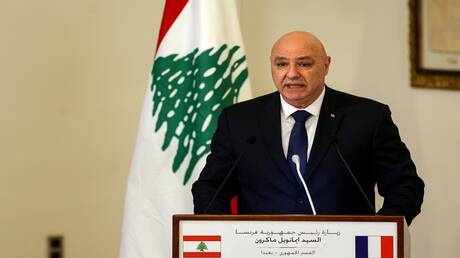
Lebanese President Joseph Aoun affirmed in his statements today, Sunday, that diplomacy does not mean surrender, and that negotiation is not considered a concession of rights. This comes amid the complex political circumstances Lebanon is facing, where many parties are seeking peaceful solutions to the multiple crises plaguing the country.
In his remarks, Aoun highlighted the importance of dialogue as a means to reach understandings among various political factions, asserting that Lebanon is still capable of overcoming current challenges without slipping into chaos or internal conflict. He emphasized the necessity of fostering a culture of dialogue and understanding among all components of Lebanese society.
Details of the Event
President Aoun's statements come at a sensitive time, as fears of escalating political tensions in Lebanon are on the rise. The country has witnessed numerous crises in recent years, ranging from economic collapse to political tensions among factions. Nevertheless, Aoun insists that diplomacy can be an effective means of resolving disputes.
Aoun also added that Lebanon needs to restore trust between citizens and the government, noting that the stability of the country depends on the ability of political parties to work together for the national interest. He considered dialogue the only way to avoid any escalation that could lead to a new civil war.
Background & Context
Historically, Lebanon has experienced several civil wars and internal conflicts, the most recent being the civil war that erupted in 1975 and lasted until 1990. These bitter experiences remain fresh in the memories of Lebanese people, heightening the sensitivity of the current situation. However, many Lebanese hope for a chance for positive change through dialogue and diplomacy.
In recent years, Lebanon has faced multiple crises, including an economic collapse that has significantly impacted citizens' lives. However, the economic and political challenges remain, necessitating ongoing efforts from all parties to achieve stability.
Impact & Consequences
The statements made by President Aoun are significant in the context of promoting stability in Lebanon, as they could influence how political forces deal with current crises. If the parties can commit to dialogue, it may lead to improvements in the economic and political conditions in the country.
These statements may also help alleviate citizens' fears, which could assist in building trust between the government and the people. If diplomatic efforts continue, Lebanon may be able to avoid slipping further into chaos.
Regional Significance
The situation in Lebanon is influential on regional stability, as any escalation in Lebanese crises could negatively impact neighboring countries. Therefore, Lebanon's success in achieving stability through dialogue could serve as a model for other countries suffering from internal conflicts.
Lebanon's stability could contribute to enhancing security in the region, potentially leading to improved relations among Arab states. Given the shared challenges, cooperation among Arab countries becomes increasingly important to achieve peace and stability.