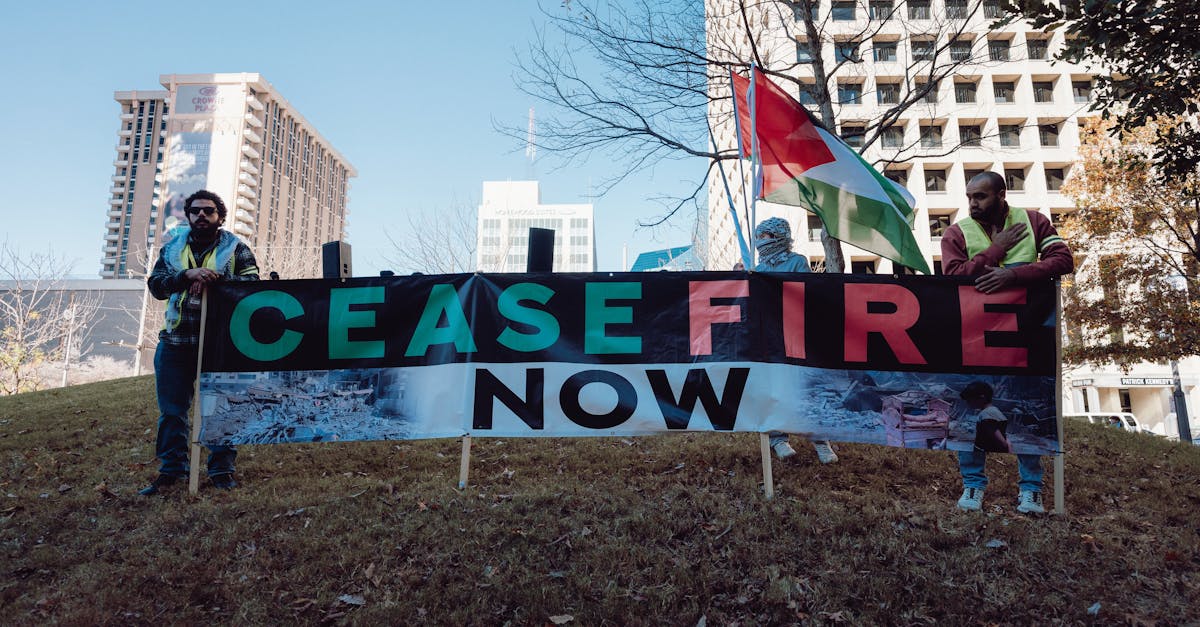
Lebanese President Joseph Aoun announced that Lebanon requires a ceasefire as a fundamental condition to resume negotiations with Israel. This statement was made during a meeting with delegations from southern regions, where he emphasized that Lebanon will not negotiate from a position of weakness. Aoun pointed out that this condition was reiterated in two meetings with ambassadors on April 14 and April 23.
Aoun also noted that the Lebanese government has faced internal criticism for its decision to initiate direct talks with Israel despite the lack of national consensus. He questioned, "When war begins, should we first achieve national consensus?" referring to the Lebanese Hezbollah movement.
Details of the Announcement
Aoun confirmed that some parties have begun to level accusations before negotiations commence, indicating that these accusations pertain to "treason" and claims that Lebanon is entering negotiations from a position of surrender. He clarified that the response to these accusations will be based on the outcomes of the negotiations.
Moreover, Aoun stated that residents of southern Lebanon continue to suffer from the repercussions of the war waged by Hezbollah to support the people of Gaza and Iran. He remarked, "My mission is to take responsibility for the decisions made and lead the country towards safety, according to the principles I have set."
Background & Context
Historically, Lebanese-Israeli relations have been marked by ongoing tensions, with several wars and conflicts occurring over the decades. Hezbollah, which is considered the main military force in Lebanon, has engaged in multiple confrontations with Israel, exacerbating the situation in the region.
In recent years, the Lebanese government has sought ways to negotiate with Israel amid changing circumstances in the region, but these attempts often face opposition from certain political forces, especially Hezbollah, which views any form of negotiation with Israel as treason.
Impact & Consequences
The ongoing conflict between Lebanon and Israel could significantly affect stability in the region. As Israeli attacks on Lebanon continue, tensions between the two sides are escalating, potentially leading to greater military escalation.
Direct negotiations with Israel are considered a sensitive step, as they could lead to changes in the political dynamics in Lebanon and provoke strong reactions from various political factions, including Hezbollah.
Regional Significance
The implications of these negotiations extend beyond Lebanon, potentially reshaping the geopolitical landscape in the Middle East. The outcome of these talks could influence not only Lebanese politics but also the broader regional stability.
In conclusion, the requirement for a ceasefire before negotiations could serve as a pivotal moment in Lebanese-Israeli relations, determining the future trajectory of peace and conflict in the region.