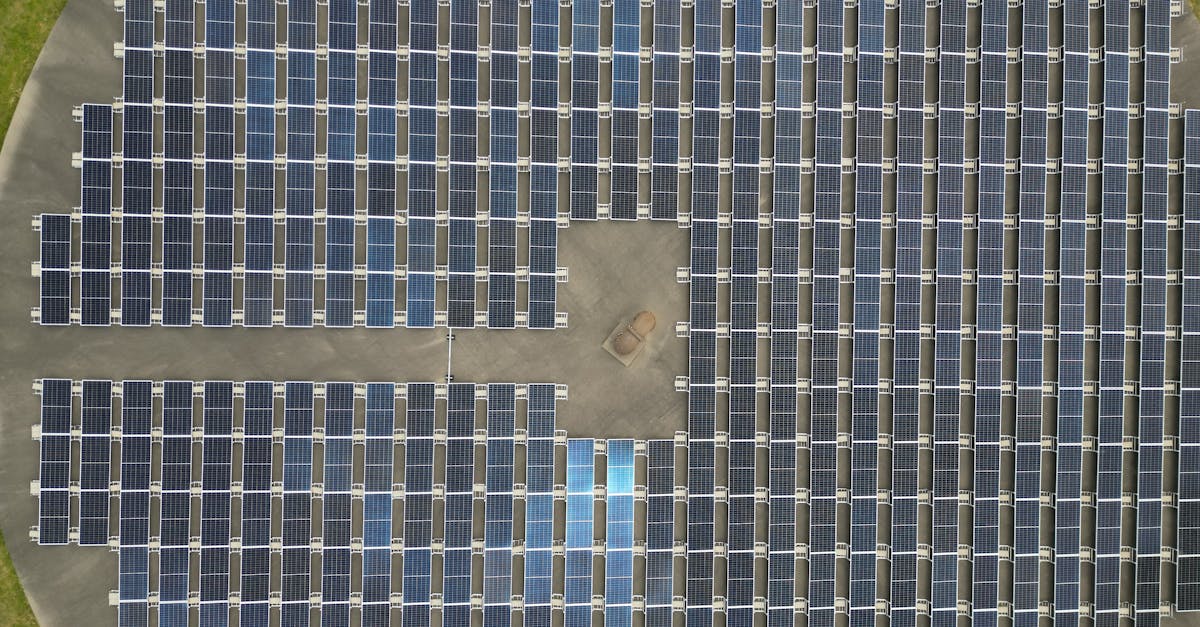
Lebanon is strongly moving towards investing in solar energy as a primary solution to alleviate the electricity crisis that has plagued the country for years. The nation has been experiencing frequent power outages, negatively impacting the daily lives of citizens and the national economy.
The Lebanese government aims to promote the use of renewable energy, particularly solar energy, as part of its strategy to provide alternative energy sources. Reports indicate a growing interest from both local and international companies to invest in solar energy projects in Lebanon.
Event Details
In recent years, Lebanon has witnessed a decline in electricity services, forcing citizens to rely on private generators to meet their needs. In this context, the government announced plans to develop solar energy projects, which are expected to contribute to improving the electricity situation in the country.
Estimates suggest that solar energy could provide a significant portion of Lebanon's electricity needs, reducing dependence on imported fossil fuels. Some companies have already begun implementing pilot projects for solar energy generation in various regions of the country.
Background & Context
The electricity crisis in Lebanon stems from decades of neglect and insufficient investment in infrastructure. Political and economic crises have exacerbated the situation, making it challenging for the government to provide reliable electricity services.
In recent years, many countries in the region have started transitioning towards renewable energy as a means to mitigate energy crises. Lebanon, with its unique geographical location, has great potential to harness solar energy, positioning it to be a leader in this field.
Impact & Consequences
If Lebanon succeeds in implementing its solar energy plans, it could significantly improve the economic and social situation in the country. Sustainable electricity provision is expected to enhance productivity and improve the quality of life for citizens.
Moreover, investment in solar energy could create new job opportunities in the renewable energy sector, contributing to reducing unemployment rates in the country.
Regional Significance
Lebanon's experience in transitioning to solar energy serves as a model for other Arab countries facing similar energy challenges. This initiative could inspire other nations to invest in renewable energy sources.
Furthermore, boosting solar energy use in Lebanon could help achieve sustainable development goals in the region, enhancing regional cooperation in the energy sector.
In conclusion, Lebanon's shift towards solar energy represents a significant step towards addressing the electricity crisis and reflects the government's commitment to providing sustainable energy sources. If these plans are successfully implemented, Lebanon could become a role model in the field of renewable energy in the region.